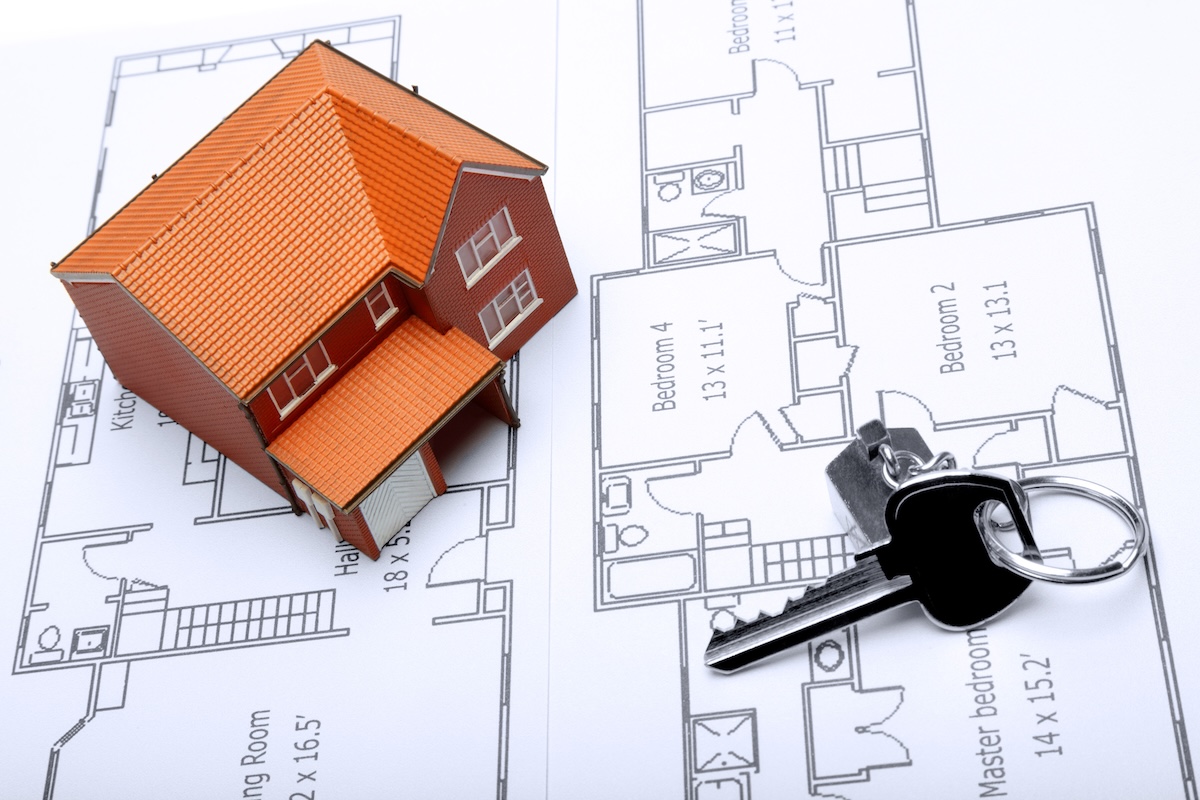
Adding a bathroom to a garage conversion is absolutely possible, and for many homeowners across the UK it makes perfect sense. Whether you are turning your garage into a guest bedroom, a self-contained annexe, or a quiet home...
Adding a bathroom to a garage conversion is absolutely possible, and for many homeowners across the UK it makes perfect sense. Whether you are turning your garage into a guest bedroom, a self-contained annexe, or a quiet home office with facilities, a bathroom can transform that newly converted space into something genuinely useful and liveable. That said, there are a few different factors to think through before you get started, from building regulations and planning permission to plumbing routes and structural considerations. This guide walks you through everything you need to know.
What Is a Garage Conversion?
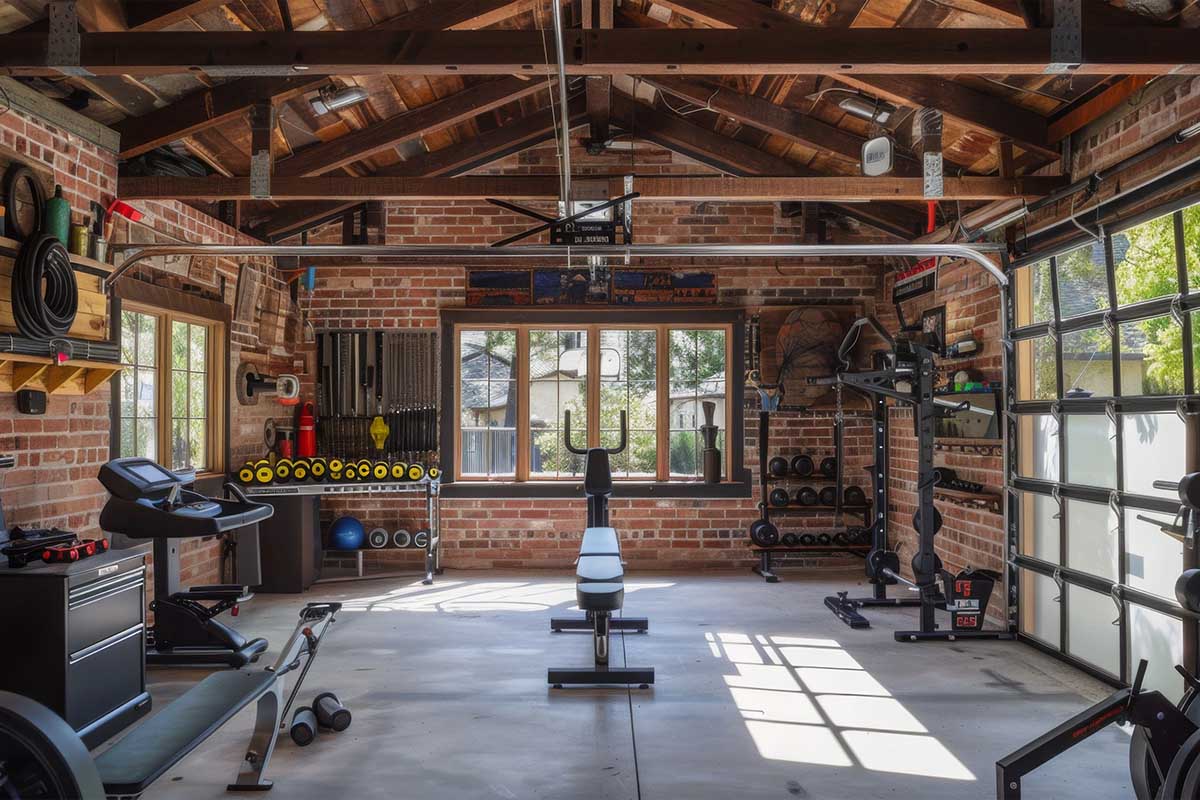
A garage conversion is the process of transforming an existing garage into usable living space. Rather than demolishing the existing structure and starting from scratch, a garage conversion makes use of the garage's existing foundations and walls to create a new room within the footprint of the property. This makes it one of the most cost-effective ways to add extra space to your home without touching your garden space or reducing your external space. Many garage conversions are used to create extra living space, such as a playroom, utility room, home gym, or additional bedroom, and with the right planning, they can easily accommodate a bathroom too.
Do You Need Planning Permission for a Garage Conversion?
One of the first questions homeowners ask is whether they need planning permission for a garage conversion. In most cases, a standard garage conversion falls under permitted development rights, which means you will not need to apply for full planning permission. However, there are important exceptions, and it is always worth checking with your local authority before you start any work. Failing to obtain the correct permissions can cause serious problems when you come to sell your home.
When You Might Need Planning Permission
There are several situations where you will need planning permission for a garage conversion, even if the work seems straightforward. If your property is located in a conservation area or an area of outstanding natural beauty, permitted development rights may be restricted or removed entirely. Similarly, if your home is a listed building, you will need listed building consent in addition to any other approvals, as changes to a listed building are subject to strict controls. If your property has had its permitted development rights removed by a planning condition attached to a previous approval, you will also need to apply for permission before proceeding. Properties that have already been significantly extended in the past may also find that they require planning permission because the cumulative changes exceed the thresholds set by permitted development rules.
Detached Garage Conversions and Planning Rules
Converting a detached garage comes with its own set of planning considerations. While many detached garage conversions still fall under permitted development, the rules around them can differ from those applied to an integral or attached garage. If the detached garage is being converted into separate living accommodation with its own access, for example, as an annexe or rental unit with its own access, it is much more likely that you will need planning permission. It is also worth noting that semi-detached houses may have shared boundaries that affect the project, so speaking to your local council early in the process is always a good idea.
Lawful Development Certificates
Even if your garage conversion does not require planning permission, it is strongly recommended that you apply for a lawful development certificate from your local authority. A lawful development certificate provides official confirmation that your conversion is lawful and was carried out within the rules of permitted development. This document can be incredibly valuable when you come to sell your home, as future buyers and their solicitors will want reassurance that the work was done correctly and legally. Without a lawful development certificate, you may find yourself in a difficult position during the conveyancing process.
Building Regulations for a Garage Conversion
Regardless of whether you need planning permission, almost all garage conversions in the UK require building regulations approval. Building regulations are a separate set of standards from the planning system and they exist to ensure that any new habitable room or habitable space meets minimum requirements for safety, energy efficiency, and structural integrity. UK building regulations cover everything from insulation and ventilation to fire safety and drainage, and they apply to both the conversion itself and any bathroom you plan to add.
How Building Regulations Approval Works
There are two main routes to obtaining building regulations approval for a garage conversion project. The first is to submit full structural plans to your local authority's building control department. These full structural plans are reviewed before work begins, and you will receive formal approval once they meet the required standards. The second route is to submit a building notice, which is a simpler process that allows work to begin more quickly but relies on a building control officer inspecting the work at various stages as it progresses. Your design and build company or contractor will usually advise you on which route is most appropriate for your conversion project.
Key Building Regulations Requirements for a Bathroom
When adding a bathroom to a garage conversion, building regulations will pay particular attention to several areas. Drainage and waste connections will need to be properly designed and installed to comply with the regulations, and the bathroom will need to have adequate ventilation to prevent moisture build-up and damp. Fire safety is another important consideration, particularly escape routes from habitable rooms, and the building control officer will want to see that the overall conversion meets the required floor to ceiling height for use as a habitable room. Insulation standards will also need to be met throughout, as garage conversions are required to reach the same thermal performance as the main house.
Approved Inspectors and Building Control
As well as going through the local authority, you have the option of using an approved inspector to oversee building control for your conversion project. An approved inspector is a privately authorised professional who carries out the same role as a local authority building control officer, but they operate independently from the council. Some homeowners prefer this route because it can offer greater flexibility and a more direct point of contact throughout the build. Whichever route you choose, building control sign-off at the end of the project is essential and should never be skipped, as it confirms that the work meets building regulations approval standards.
Adding a Bathroom to a Garage Conversion: The Practical Side
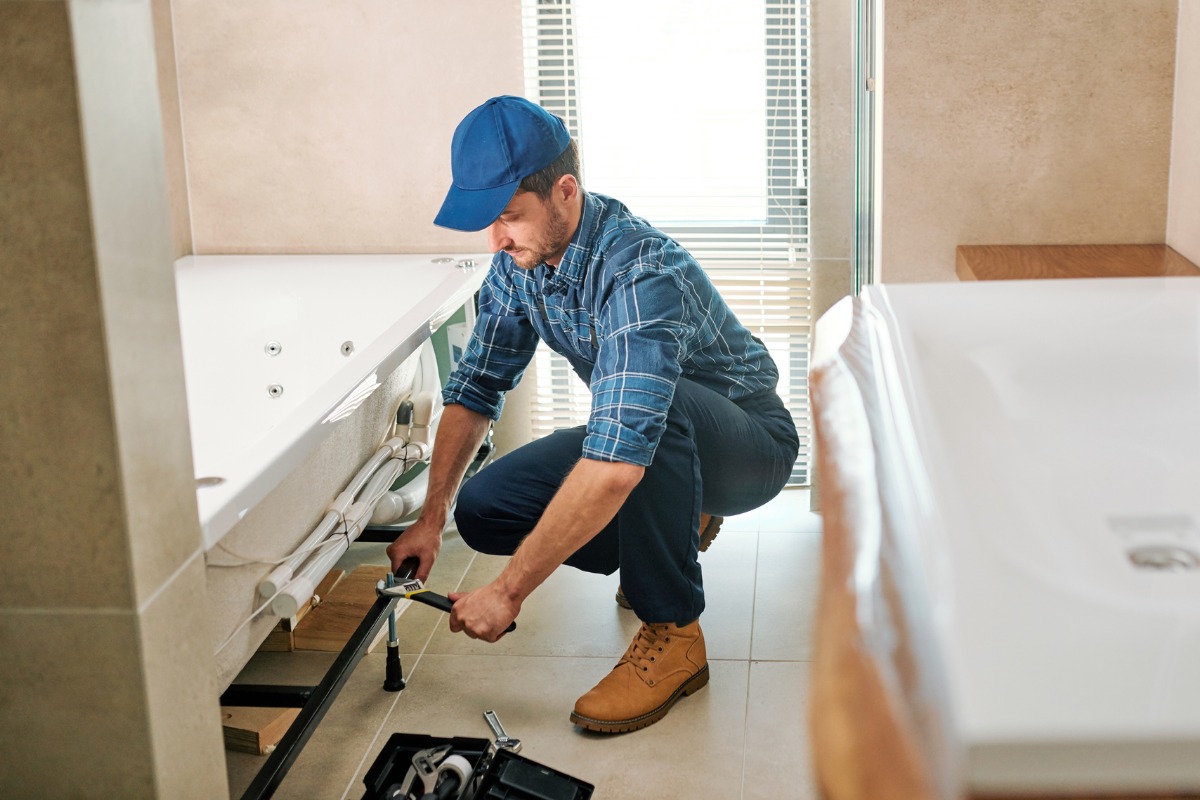
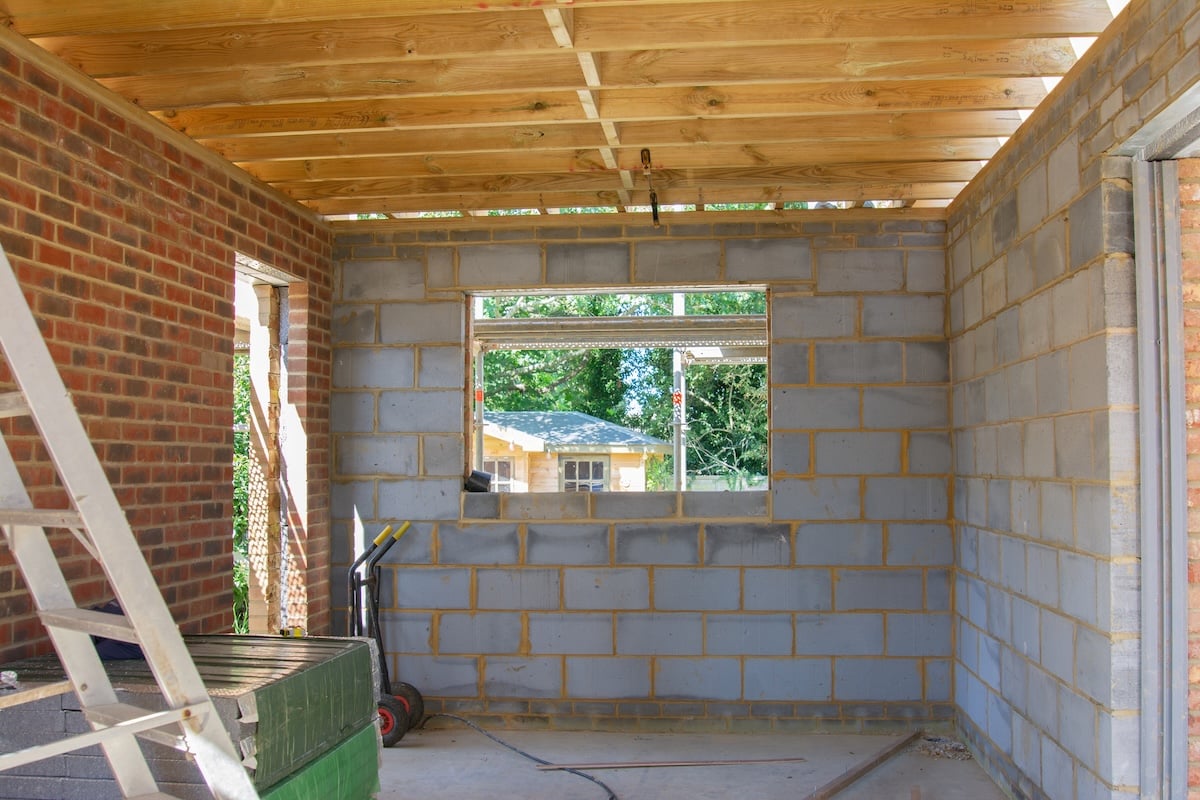
From a practical standpoint, adding a bathroom to a garage conversion requires careful thought about plumbing, drainage, and the layout of the existing space. The good news is that many garage conversions are very well suited to including a bathroom, particularly if the garage sits close to existing plumbing in the main house. A skilled plumber and a good conversion team will be able to assess the existing foundations and the layout of the existing structure to determine the most practical route for waste pipes and water supply.
Connecting to Existing Drainage
One of the most important technical considerations when adding a bathroom to a garage conversion is how wastewater will drain away. Ideally, the bathroom will be positioned close enough to an existing drainage run to make a straightforward connection. In some cases, particularly with a detached garage, the drainage route will need to run under the existing property or across the garden space to connect with the main drain. This can add to the garage conversion cost, but it is entirely achievable with the right groundwork. Finished floor level is also relevant here, as the floor may need to be raised or lowered slightly to allow waste to flow properly by gravity to the drain.
Flooring, Insulation, and Underfloor Heating
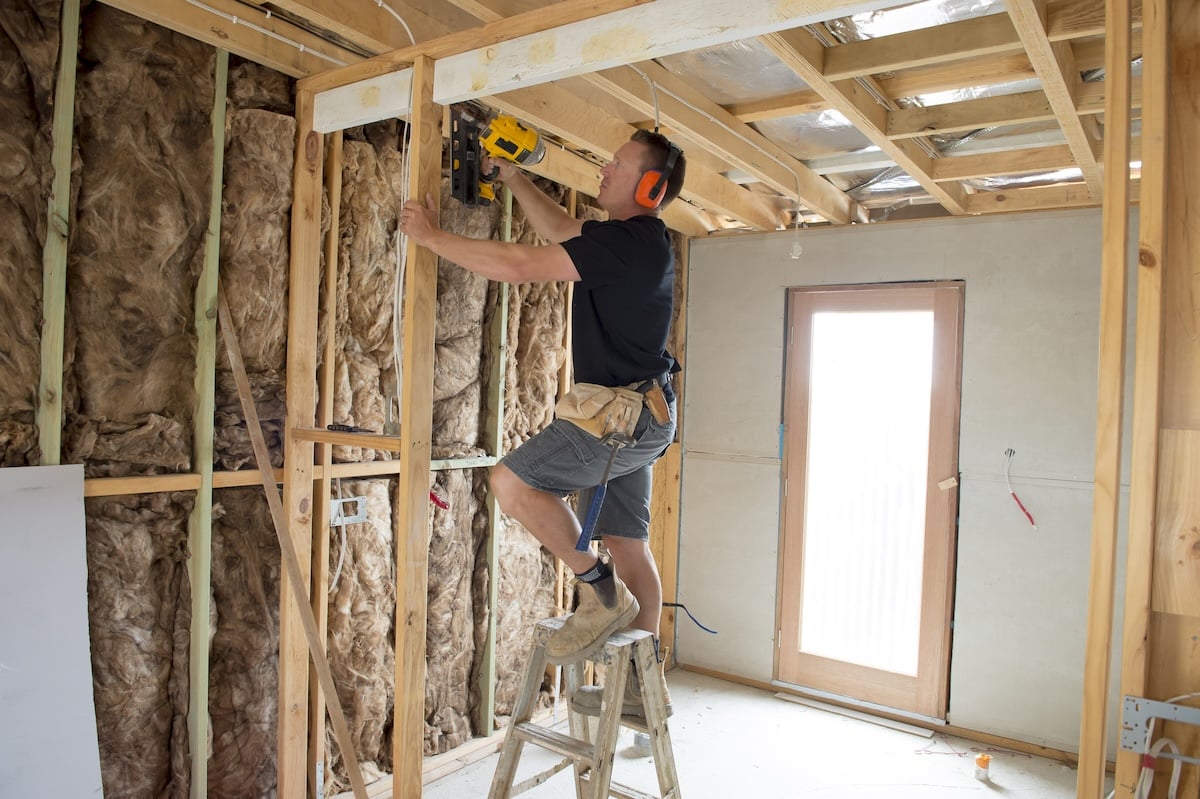
Garage floors are typically a solid concrete slab, which needs to be properly insulated before it can be used as a comfortable floor for a habitable room. During a garage conversion, a new insulated floor is usually laid on top of the existing concrete, which raises the finished floor level slightly. This is also an excellent opportunity to install underfloor heating, which works particularly well in bathrooms and is very well suited to the type of solid floor construction used in most garage conversions. Underfloor heating is energy efficient, keeps the space warm underfoot, and frees up wall space that would otherwise be taken up by radiators.
Electrical Work and the Consumer Unit
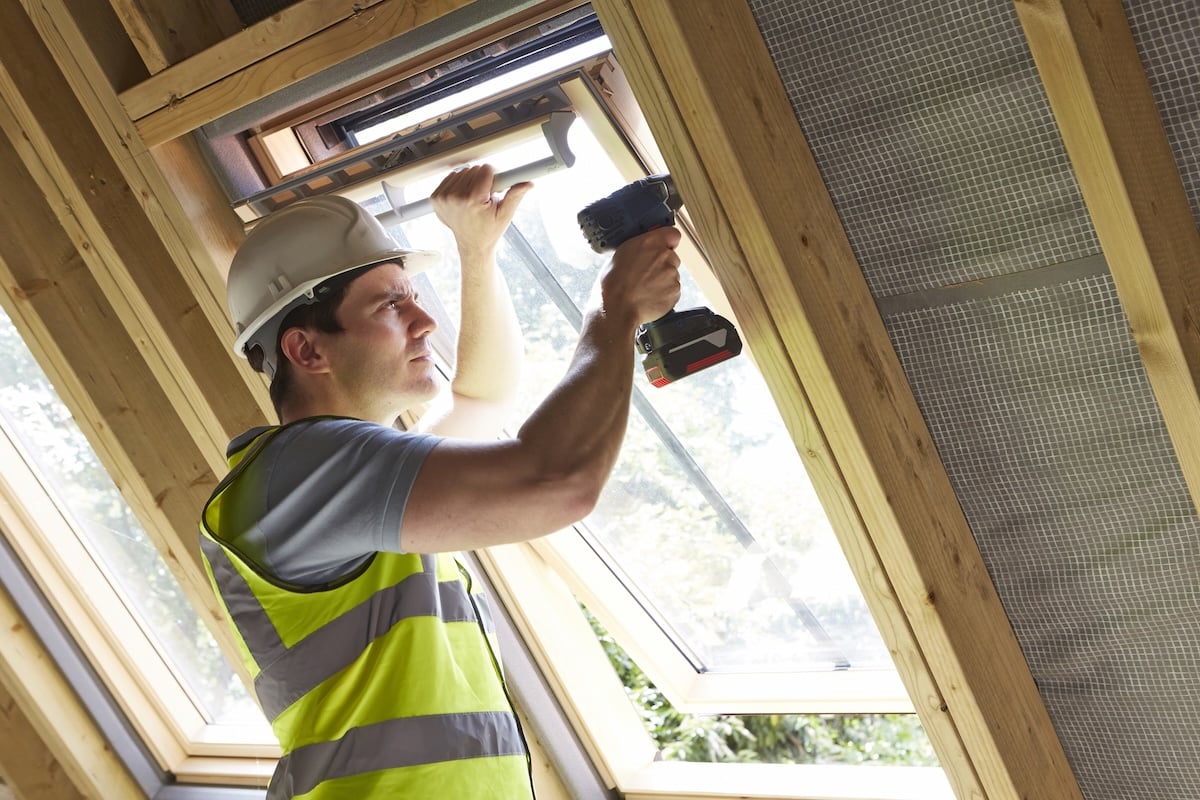
Any garage conversion that includes a bathroom will require a significant amount of electrical work. The consumer unit in your main house will need to be assessed to determine whether it has the capacity to supply the newly converted space, and in many cases a separate consumer unit will be installed within the conversion itself. This is particularly common when the garage is being converted into a self-contained unit with its own access, as a separate consumer unit allows the electrical supply to be metered and managed independently. All electrical work in a bathroom must comply with Part P of the building regulations, which covers electrical safety in the construction industry, and should always be carried out by a qualified electrician.
Structural Considerations for Your Garage Conversion
Before any conversion project begins, it is worth having a structural engineer assess the existing structure to make sure it is suitable for its new use. This is especially important if the garage has a flat roof that may need upgrading, or if changes to internal walls are planned. A structural engineer will assess the garage's existing foundations and confirm whether the walls and roof structure can support the load of the new conversion, and they will produce technical drawings and structural plans drafted to the required standard for building control submission.
The Garage Door Opening
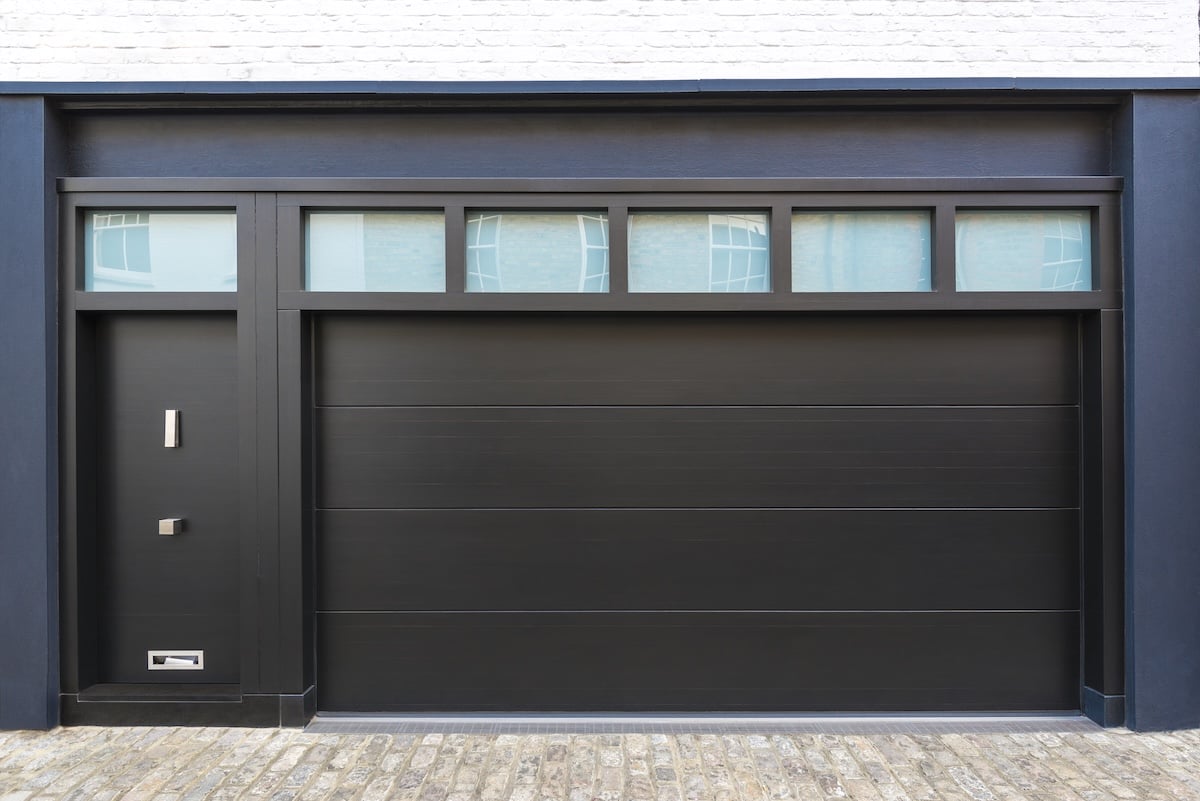
One of the most noticeable changes during a garage conversion is what happens to the garage door. The garage door is typically removed and the opening is either fully or partially bricked up, with a new window and sometimes an external door installed in its place. The size and placement of the new window matters a great deal, as building regulations require habitable rooms to have adequate natural light. A well-positioned window in the former garage door opening can flood the new room with natural light, making it feel much more like part of the main house. If natural light is limited in the existing space, a pitched roof light or roof window can also be considered.
Party Wall Agreements and Shared Boundaries
If your garage shares a wall with a neighbouring property, you may need a party wall agreement before your conversion project can begin. A party wall agreement is a legal document that protects both you and your neighbour by setting out how the work will be carried out and what happens if any damage occurs. The Party Wall etc. Act 1996 sets out when a party wall agreement is required, and many garage conversions in terraced or semi-detached properties will fall within its scope. It is always worth engaging a party wall surveyor early in the process to ensure that the correct notices are served and that any agreement is in place before work starts.

How Much Does It Cost to Add a Bathroom to a Garage Conversion?
The garage conversion cost will vary depending on the size of the space, the specification of the bathroom, and the complexity of the drainage and electrical work involved. As a general guide, many garage conversions in the UK cost between £10,000 and £20,000 for the full conversion, with a bathroom adding anywhere from £3,000 to £8,000 on top of that depending on the fixtures and fittings chosen. A detached garage conversion will typically cost more than converting an integral garage, largely due to the additional work involved in running services across the property. Getting detailed quotes from experienced local contractors, and working with a reputable design and build company, is the best way to get an accurate picture of what your specific project will cost.
Partial Garage Conversions with a Bathroom
Not every homeowner wants to convert the entire garage space, and a partial garage conversion can be a very practical solution. By converting only part of the garage, you can create a new room or a compact bathroom while still retaining some storage space or even a parking space within the remaining garage area. This works particularly well in larger garages where there is enough room to divide the space sensibly without making either section feel cramped. A partial garage conversion needs the same building regulations approval as a full conversion, but it can be a great way to add extra space to your home without giving up the garage entirely.
Will Adding a Bathroom Affect the Value of Your Home?
A well-executed garage conversion that includes a bathroom can add meaningful value to your home, particularly if it creates a new habitable room such as a guest bedroom with en suite or a self-contained annexe. Future buyers tend to respond well to conversions that have been done properly, with all necessary building regulations approval and a lawful development certificate in place, because it gives them confidence that the work was carried out to a good standard. On the other hand, a garage conversion that was done without the correct approvals, or that does not meet building regulations, can put off buyers and complicate the sale. Always make sure your conversion project is completed correctly and signed off by building control before putting the property on the market.
Things to Consider Before Starting Your Garage Conversion
Before diving into a garage conversion, there are several practical points worth running through to make sure your project gets off to the right start. First, check whether your property has any restrictions on permitted development rights by contacting your local authority or searching the planning portal. Second, consider whether a loft conversion might better serve your needs if you are primarily looking to add more space to your home, as some properties are better suited to one type of conversion over the other. Third, speak to your insurance company before work begins, as many garage conversions will affect your home insurance policy and you will want to make sure you are properly covered throughout the construction process. Finally, think carefully about how the new space will be used day to day, as the layout and specification of your bathroom should reflect the needs of whoever will be using it most.
The Conversion Guy - A Trusted Home Renovations Specialist in Derbyshire & Staffordshire
Are you ready to take the plunge and transform your home? Well, look no further! The Conversion Guy is committed to providing you with a home renovation experience that is unparalleled.
With over 40 years of experience in home renovations, we are looking forward to helping you turn your home into a functional and beautiful space! We love talking conversions, so be sure to get in touch today or book a free consultation and start your journey towards a more spacious, versatile home.
From the Learning Centre
Explore our resources and learn about pricing, bathroom refits, kitchen kitchen renovations, loft conversions and many other home improvements in our Learning Centre