
If you're thinking about converting your garage into extra living space, one of the first questions you're likely to ask is: Do I actually need insulation? The short answer is yes, and for good reason. Without proper garage...
If you're thinking about converting your garage into extra living space, one of the first questions you're likely to ask is: Do I actually need insulation? The short answer is yes, and for good reason. Without proper garage insulation, your newly converted space will be cold in winter, stuffy in summer, and expensive to heat all year round. Whether you're planning a home gym, a cinema room, a games room, or even a full en suite bedroom, getting the insulation right from the start will make an enormous difference to how comfortable and energy-efficient the finished result turns out to be.
This guide walks you through everything you need to know about insulating a garage conversion, from the types of insulation available to the planning permission and building regulations requirements you'll need to meet. We've written it with UK homeowners in mind, so whether you have a single garage attached to the side of your house or a detached garage at the bottom of your garden, you should find the answers you're looking for right here.
Why Insulation Is Essential for Any Garage Conversion
A standard garage is built to store cars, tools, and garden equipment, not to be lived in. The walls, floor, and roof are typically uninsulated, which means the ambient temperature inside can swing dramatically with the seasons. When you start converting your garage into a habitable space, you're asking it to perform like a proper room in your home, and that simply isn't possible without insulation.
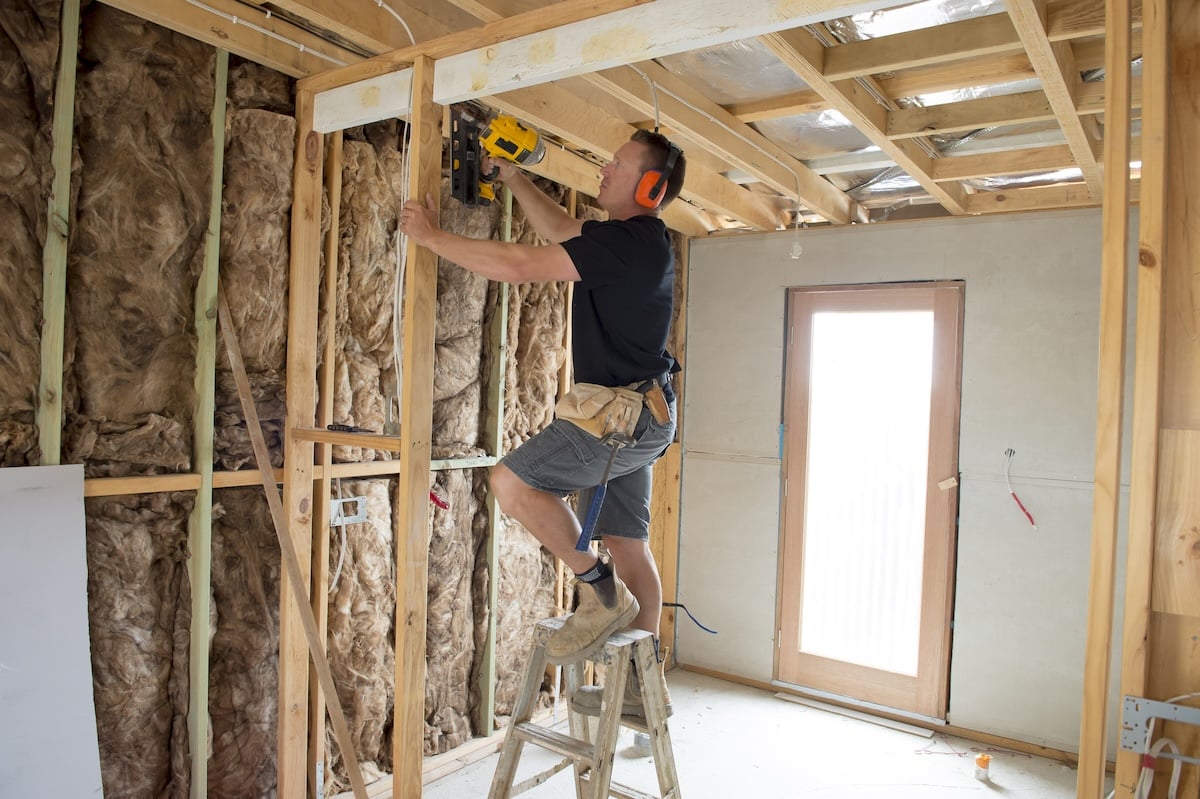
Good garage insulation works by trapping warm air inside the room so that your heating system doesn't have to work overtime. It also prevents warm air from escaping through the walls and roof during colder months, which helps reduce your heating bills. Beyond warmth, insulation helps with soundproofing, condensation control, and overall thermal performance, all of which matter if you want your garage conversion to feel like a genuine extension of your main house. Building regulations in the UK require any newly converted space used as living space to meet minimum thermal standards, so insulation isn't optional.
Types of Garage Insulation to Consider
There are several different approaches to garage insulation, and the right one will depend on your garage's size and layout, your budget, and how you plan to use the space. Below, we've outlined the most common options.
Multi-layered Insulation
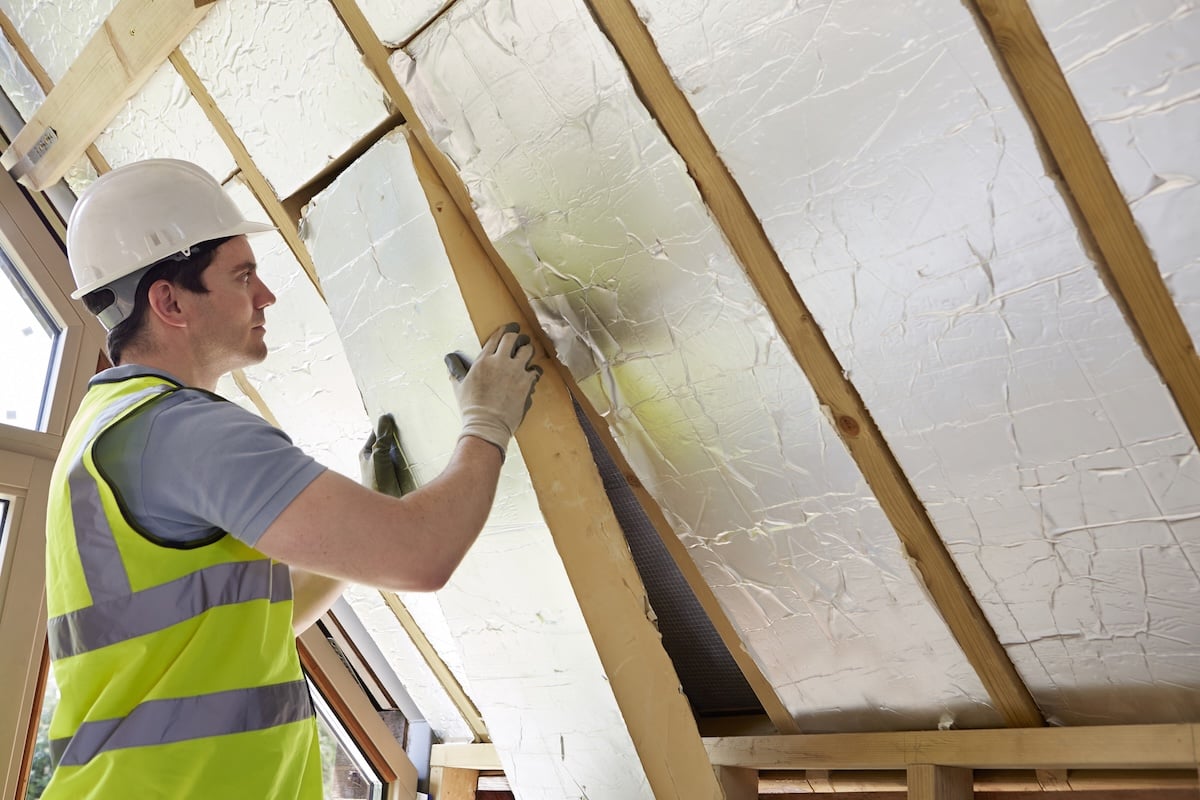
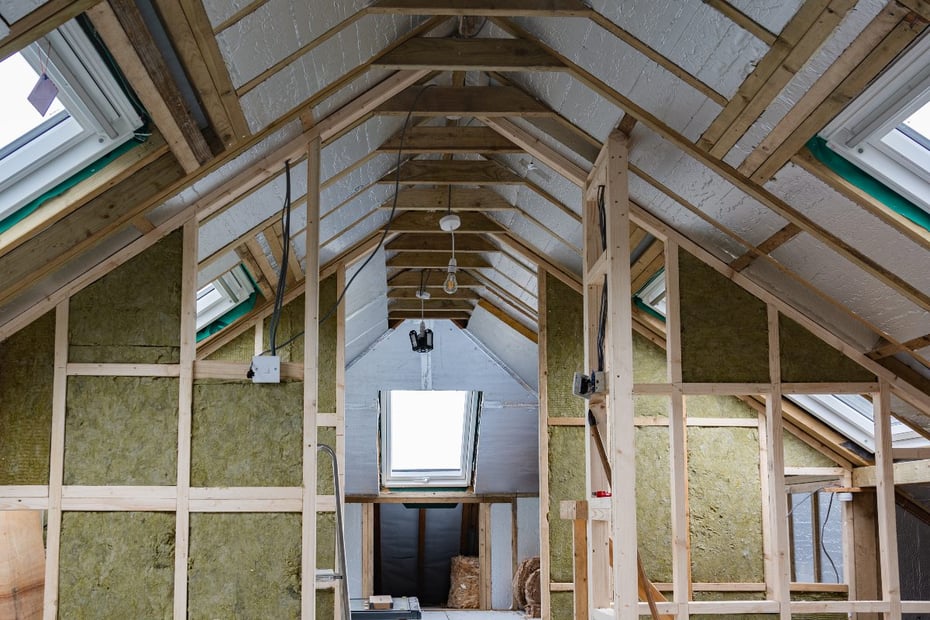
Multi-layered insulation is one of the most popular choices for garage conversions because it's thin, flexible, and highly effective. It's made up of several reflective layers that prevent warm air from escaping and cold air from getting in, all within a slim profile. This makes it ideal when you're working with limited wall depth and don't want to lose too much interior space. Many multi-layered insulation products incorporate vapour control layers to help manage moisture within the wall or roof build-up, which is especially important in a garage conversion where condensation can build up inside the wall structure over time, leading to damp and mould.
Garage Insulation Kit Options
A garage insulation kit is a convenient all-in-one solution that contains everything you need to insulate your walls, ceiling, and sometimes your floor in one purchase. A good garage insulation kit will typically include rolls of insulation material, fixings, and sealing tape, making it easier to complete the job without sourcing individual components separately. Many homeowners find that a garage insulation kit simplifies the process considerably, particularly if they're planning elements of it as a DIY project.
When choosing a garage insulation kit, look for one that includes silver insulation material, as the reflective surface bounces heat back into the room rather than allowing it to be absorbed by the wall or roof structure. Some garage insulation kit products also include thermaseal double-sided tape, which creates airtight joins between insulation panels and helps prevent cold bridging at the edges and seams. If you're comparing garage insulation kit options, use a size calculator to instantly find the right amount of material for your specific roof area, wall dimensions, and floor space, as accurate measurements will save both time and money.
Wall Insulation and External Wall Insulation
The garage wall is one of the primary areas where heat loss occurs. If your garage has a cavity wall, you may be able to have cavity wall insulation installed by pumping insulating material into the gap between the inner and outer leaf of brickwork. For solid walls, external wall insulation can be applied to the outside of the building, or internal insulation can be fixed to at least one wall from the inside using a batten and board system. When insulating a garage wall from the inside, it's important to include a vapour control layer behind the boards to prevent moisture from working its way into the existing structure, and to maintain an air cavity between the insulation and the wall face to help manage condensation on cold surfaces.
Insulating the Garage Floor
Floor insulation is often overlooked during garage conversions, but it's just as important as insulating the walls and roof. Most garages are built on a concrete slab, which is a significant source of cold in winter. Without floor insulation, you'll feel the chill coming up through the floor regardless of how well everything else is insulated, and underfloor heating will be far less efficient as a result.
The standard approach involves laying a damp-proof membrane over the concrete slab first, followed by rigid insulation boards, and then a screed or wooden deck on top. The damp-proof membrane is essential because concrete is porous, and without it, moisture can rise up through the slab and into your finished floor. Dense rubber matting can also be used as an additional layer, particularly where underfloor heating is being incorporated, as it helps distribute heat more evenly across the floor surface and improves comfort underfoot.
Roof Insulation: Flat Roof and Pitched Roof Garages
How you insulate the roof of your garage conversion will depend on whether it has a flat roof or a pitched roof. A flat roof is typically insulated using a warm roof or cold roof build-up, with rigid insulation boards placed either above or below the roof deck. A pitched roof offers more flexibility, with insulation placed between and below the rafters to create an insulated ceiling within the roof space. In both cases, vapour control layers are important to prevent moisture from becoming trapped within the roof structure.
The roof covering itself plays no role in thermal protection, so don't assume that having tiles or felt means your roof area is in any way insulated. Warm air rises naturally, meaning a poorly insulated roof is one of the biggest contributors to heat loss in any garage conversion space. Treating the roof as a priority alongside the walls and floor will ensure your converted space is comfortable and compliant with building regulations requirements throughout the year.
Do Garage Conversions Require Planning Permission?
Most garage conversions fall under permitted development rights, meaning you don't need to formally apply for planning permission from your local authority, provided you're not making significant changes to the exterior of the building. This applies to both attached single garage conversions and most detached garage conversions where the external appearance remains largely unchanged.
However, permitted development rights don't apply in every situation. If your home is in a conservation area, a national park, or an area of outstanding natural beauty, the rules are stricter, and you'll need to follow correct planning procedures before starting work. If your property is a listed building, you'll need to seek listed building consent before making any alterations at all, as converting a garage on a listed building without the necessary approval is a serious matter. It's always worth checking with your local authority early in the process, even if you believe your project falls within permitted development.
Even where planning permission isn't required, you'll almost certainly need to comply with building regulations. A lawful development certificate is well worth obtaining regardless, as it provides formal confirmation that your conversion is lawful. This matters particularly when you come to sell, since future buyers and their solicitors will want evidence that the work was carried out following correct planning procedures.
Building Regulations for Garage Conversions
Building regulations apply to virtually all garage conversions in England and Wales, covering structural safety, fire safety, ventilation, drainage, and thermal performance. Your conversion will need to meet the standards set out in Part L of the building regulations, which specify the minimum insulation values for walls, floors, and roofs in habitable space. You'll need to submit a building notice or full plans application to your local authority before work begins, and a building control officer will inspect the work at key stages.
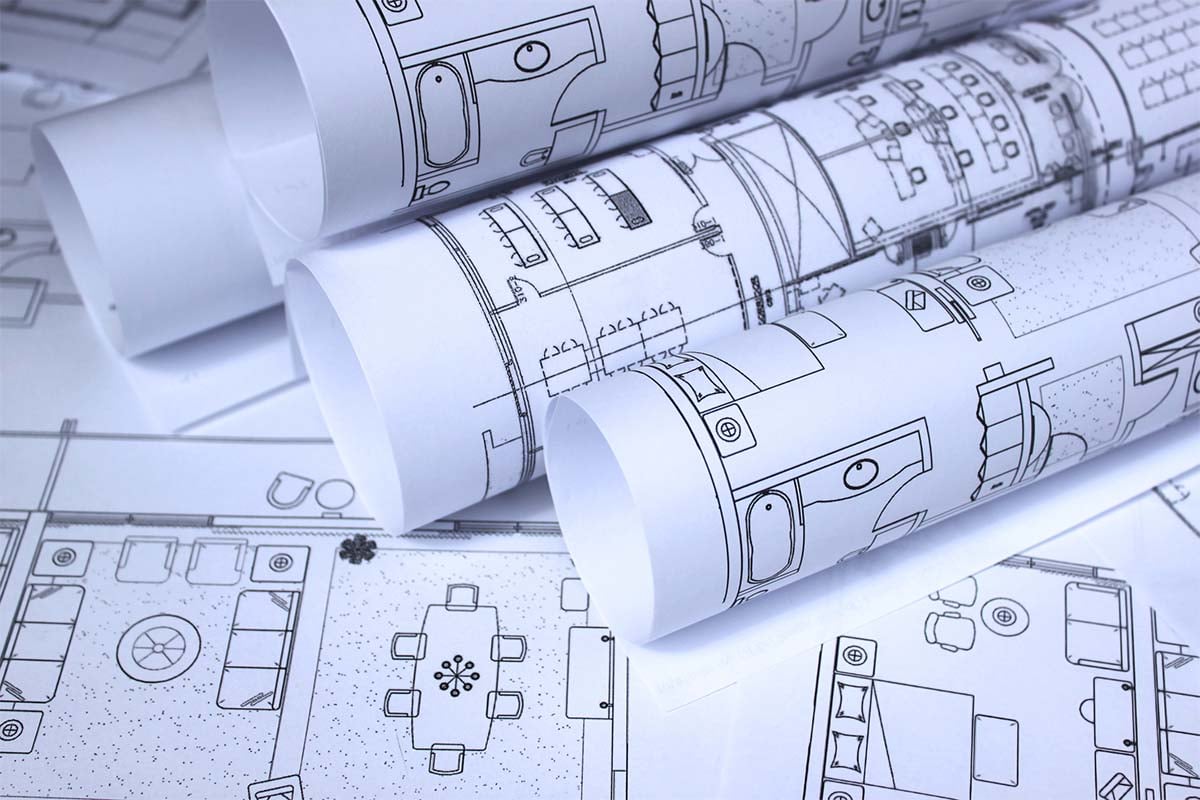
Skipping building regulations approval is a significant risk. A conversion without it can cause serious problems when you come to sell or make a claim on your insurance company policy. Technical drawings prepared by a structural engineer or qualified designer will typically be required as part of your submission, especially for detached garage conversions where the existing structure needs to be formally assessed for suitability.
Special Considerations for Detached Garage Conversions
Converting a detached garage comes with a few extra considerations that don't apply to an attached conversion. Because the building sits apart from the main house, it won't benefit from any shared warmth from adjoining walls, making thorough all-round garage insulation even more important. Detached garage conversions also require careful thought about how services such as electricity, water, and drainage will be connected, and whether a party wall agreement is needed if the building sits close to a neighbour's boundary.
Detached garage conversions are increasingly popular as home offices, gyms, and creative studios, precisely because they offer a degree of separation from the rest of the household. However, standalone buildings can be harder and more expensive to heat, which makes investing in quality insulation from the outset all the more worthwhile. If you're planning a home gym or games room, good insulation will also help with soundproofing, reducing disturbance to neighbours and the rest of the family.
What Happens to the Garage Door?
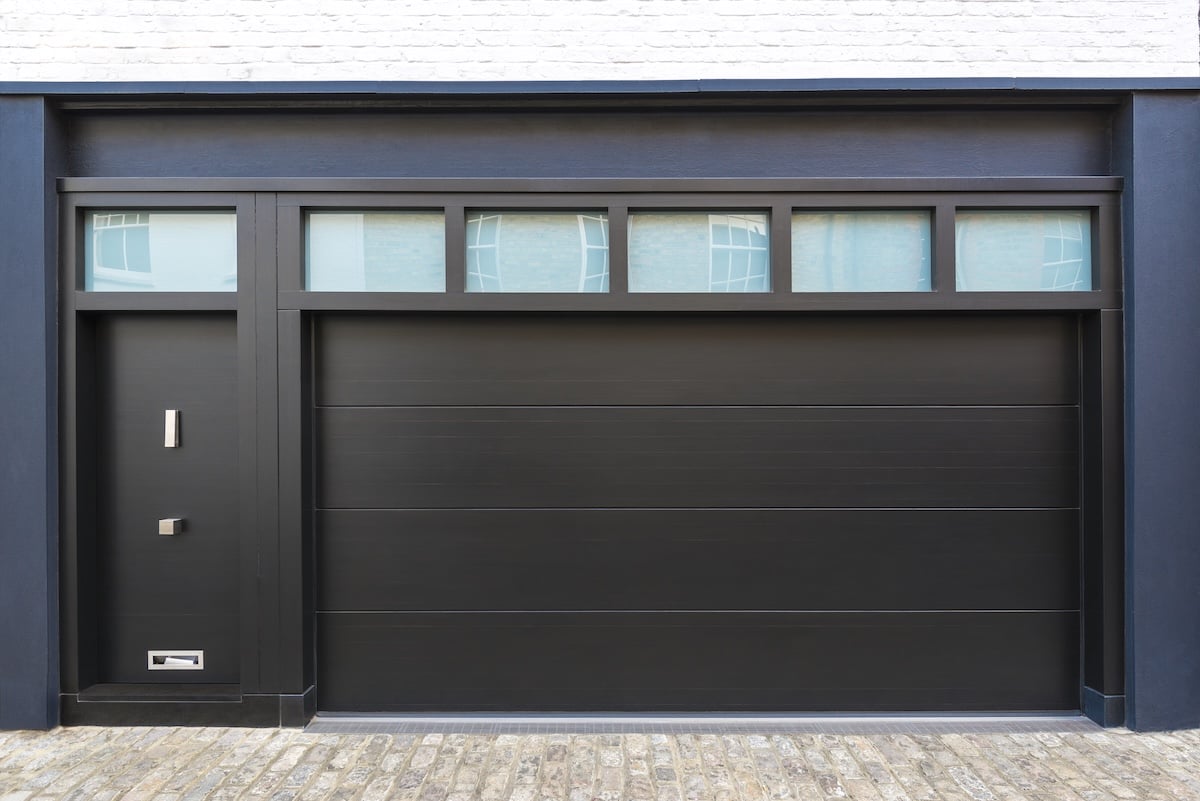
The garage door is one of the biggest sources of heat loss in any conversion, which is why it almost always needs to be replaced or filled in as part of the project. An old garage door, even a relatively modern one, offers very little insulation or airtightness, and leaving it in place will undermine everything else you do to insulate the space. Most conversions involve filling in the garage door opening with a new insulated wall, often with a window or glazed door incorporated to bring natural light into the room.
Replacing the old garage door with large windows or patio doors can flood the converted space with natural light and create a stylish, modern exterior. A well-designed frontage can enhance kerb appeal and make the conversion look like a seamless part of the home rather than an obvious afterthought. If you're in a sensitive area and need to retain the appearance of a garage door for planning reasons, there are insulated panel systems that can mimic the look while still offering reasonable thermal performance.

Garage Conversion Ideas and Adding Value
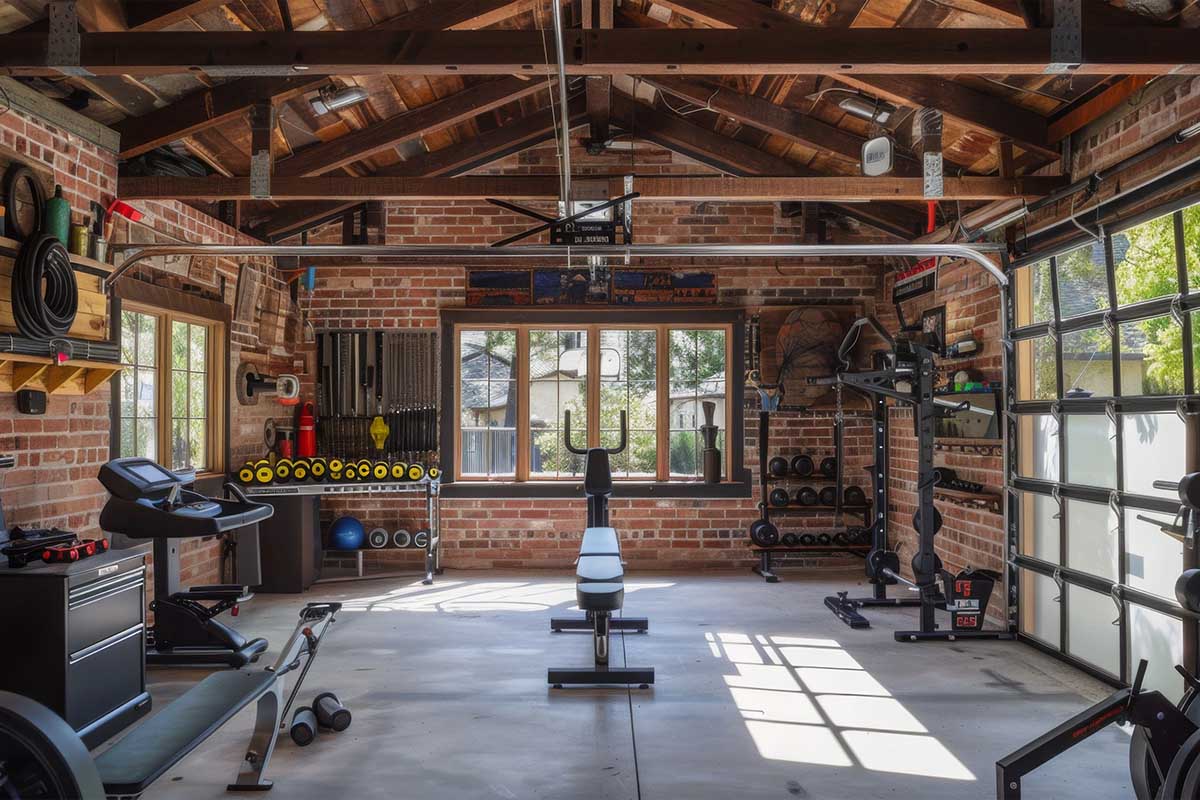
Once the insulation and building regulations are sorted, the fun part begins. Garage conversion ideas range from the practical to the luxurious, and the right choice will depend on your household's needs and how much garage space you have to work with. A home gym is one of the most popular garage conversion ideas right now, offering a dedicated workout space that's comfortable to use all year round. A cinema room is a brilliant option for families, while a games room, a playroom, or a creative studio are all excellent ways to add genuinely usable extra living space to your home.
For those who need more conventional accommodation, converting your garage into an en suite bedroom is a popular choice for growing families or for accommodating elderly relatives. A well-executed garage conversion can add significant value to your property, particularly if it adds a bedroom or creates flexible extra space that future buyers will find appealing. It's worth noting that future buyers and their solicitors will check whether the conversion was done with the correct planning permission and building regulations approval, so following correct planning procedures from the start protects both your enjoyment of the space and your long-term investment.
Is My Garage Suitable for Conversion?
Whether a garage is suitable for conversion depends on several factors. The existing structure needs to be in sound condition, with no significant damp, structural movement, or roof damage. A structural engineer can assess this and flag any issues before conversion work begins. You'll also need adequate ceiling height to meet building regulations requirements for habitable space, and enough floor area to make the conversion worthwhile. A single garage typically offers around 14 to 18 square metres, which is sufficient for most uses, while a double garage offers considerably more scope.
Converting your garage is generally considered one of the most cost-effective ways to add extra space to your home compared to building an extension, because the existing structure and roof are already in place. That said, garage conversion depends on proper planning, quality materials, and professional workmanship to deliver a result that's genuinely comfortable and compliant. Working with experienced professionals from the outset gives you the best chance of a space you'll love for years to come.
Ready to Start Your Garage Conversion?
Insulation is the foundation of a successful garage conversion, and getting it right from the beginning pays dividends in comfort, energy efficiency, and long-term value. From choosing the right garage insulation kit to understanding what planning permission and building regulations your project requires, there's a lot to consider, but none of it is insurmountable with the right guidance.
Whether you're dreaming of a home gym, a cinema room, an en suite bedroom, or simply some much-needed extra space for your family, a properly insulated garage conversion can make it a reality. If you'd like to explore your options or get a better idea of what converting your garage might involve, get in touch with our team today and let's talk about how we can turn your existing garage into a space you'll genuinely love.
The Conversion Guy - A Trusted Home Renovations Specialist in Derbyshire & Staffordshire
Are you ready to take the plunge and transform your home? Well, look no further! The Conversion Guy is committed to providing you with a home renovation experience that is unparalleled.
With over 40 years of experience in home renovations, we are looking forward to helping you turn your home into a functional and beautiful space! We love talking conversions, so be sure to get in touch today or book a free consultation and start your journey towards a more spacious, versatile home.
From the Learning Centre
Explore our resources and learn about pricing, bathroom refits, kitchen kitchen renovations, loft conversions and many other home improvements in our Learning Centre