What Is the Smallest Size for an Ensuite Bathroom?
Adding an ensuite bathroom is one of the most rewarding home improvements you can make, especially for homeowners, renovators, and anyone planning to maximize space or increase...
Thinking about adding an ensuite bathroom? You’re not alone—more and more homeowners are upgrading their homes with private, connected bathrooms to boost convenience, comfort, and property value.
This guide is for homeowners considering adding an ensuite bathroom to their property. Understanding the rules can help you avoid costly mistakes and ensure your project runs smoothly.
But before you pick out tiles or start knocking through walls, there’s one key question to answer:
In most cases, the answer is no, but there are important exceptions to know about. From building regulations to listed properties and flat conversions, this guide breaks down everything you need to consider before getting started. Whether you’re converting part of an existing bedroom or planning a full extension, here’s what you need to know to stay compliant and stress-free.
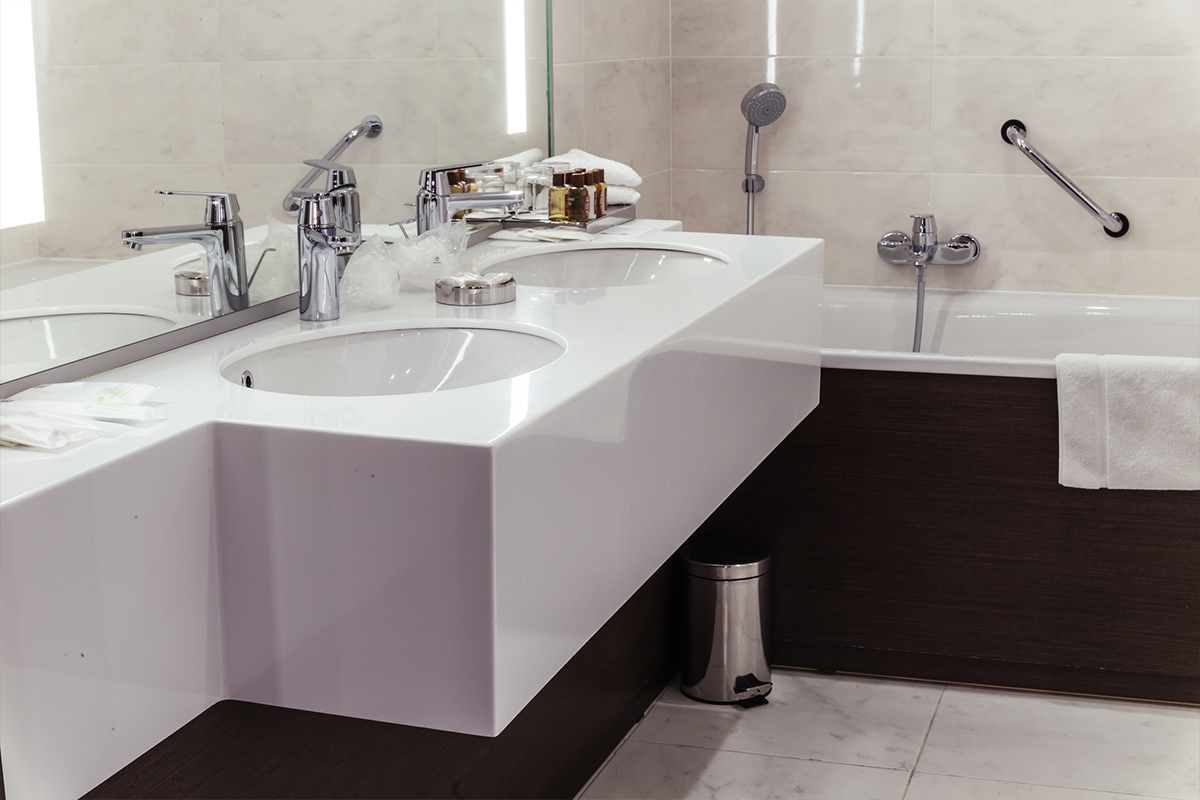
An ensuite bathroom is a private bathroom that’s directly connected to a bedroom, and it adjoins the bedroom directly, offering exclusive access without needing to walk through shared or communal areas. By definition, an ensuite bathroom is accessed exclusively from the bedroom it serves, rather than from a hallway or shared space. It is typically attached to a master bedroom, designed specifically for the occupants of that bedroom, and usually includes a toilet, basin, and shower.
Popular in master bedrooms and guest suites, en-suites are often associated with a touch of luxury, but they can also be highly practical. Whether you’re working with a generous layout or limited floor space, there are plenty of ensuite bathroom ideas to suit your needs and style.
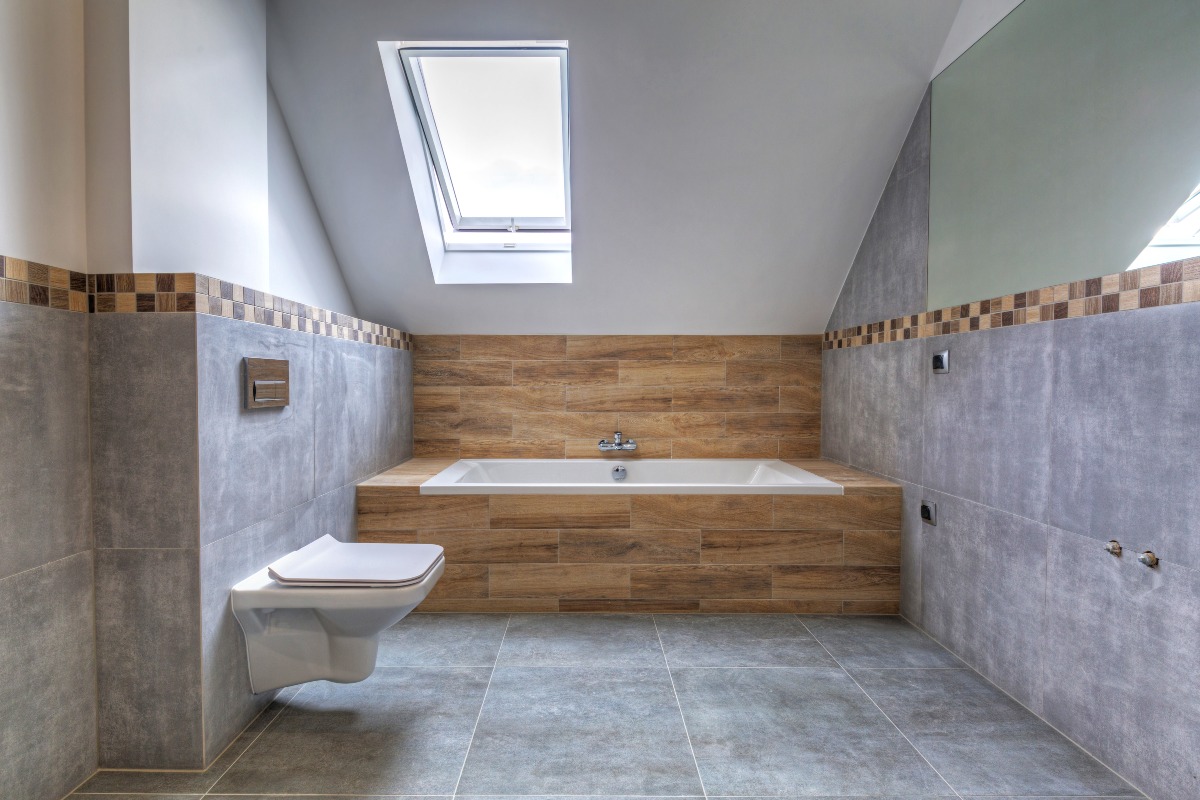
The design possibilities are flexible, from compact shower rooms with a simple toilet and sink to fully fitted bathrooms featuring a shower enclosure, bath, and sleek vanity unit.
Thoughtful planning can also help maximise storage space, making even the smallest ensuite feel organised and efficient.
Whether you're creating a peaceful retreat or adding value to your home, an ensuite offers both comfort and practicality—all in your own private space.
Even if you don’t need planning permission, you will need to meet building regulations when adding an en-suite bathroom. These rules ensure your new bathroom is safe, structurally sound, and properly fitted, particularly when it comes to ventilation, water, and electrical systems.
Whether converting an existing space or creating a new ensuite, building regs approval is a legal requirement in the UK. You can apply through your local authority’s building control department or use an approved private inspector.
However, there are a few important exceptions:
If your home is a listed building, it is legally protected due to its historical or architectural significance. That protection extends to the interior layout and features, meaning even internal works like adding an ensuite bathroom may require Listed Building Consent—even if no external changes are made.
Don’t assume internal changes are exempt in listed buildings—get formal approval first.
Adding an ensuite in a flat or maisonette can be more complex due to shared structures, party walls, and leasehold restrictions. While internal alterations might not require full planning permission, you may need approval if:
Planning permission may be needed for structural or external works, and leaseholder approval is usually required.
If your home is located within a conservation area, there may be additional planning controls in place to preserve the character of the neighbourhood. While internal changes like an ensuite typically don’t require planning permission on their own, you will need permission if:
Some councils enforce stricter rules in conservation areas—even for minor works—so it’s wise to check with the planning department before making assumptions.
Interior-only works are usually fine, but external changes may trigger permission requirements.
Even in a standard property, planning permission is likely required if your ensuite involves modifying the external appearance of your home. This includes:
If these changes fall outside permitted development rights—or if your property has already used up its allowance—you may need to submit a full planning application.
Any external alteration that affects how your property looks or functions from the outside could require planning permission.
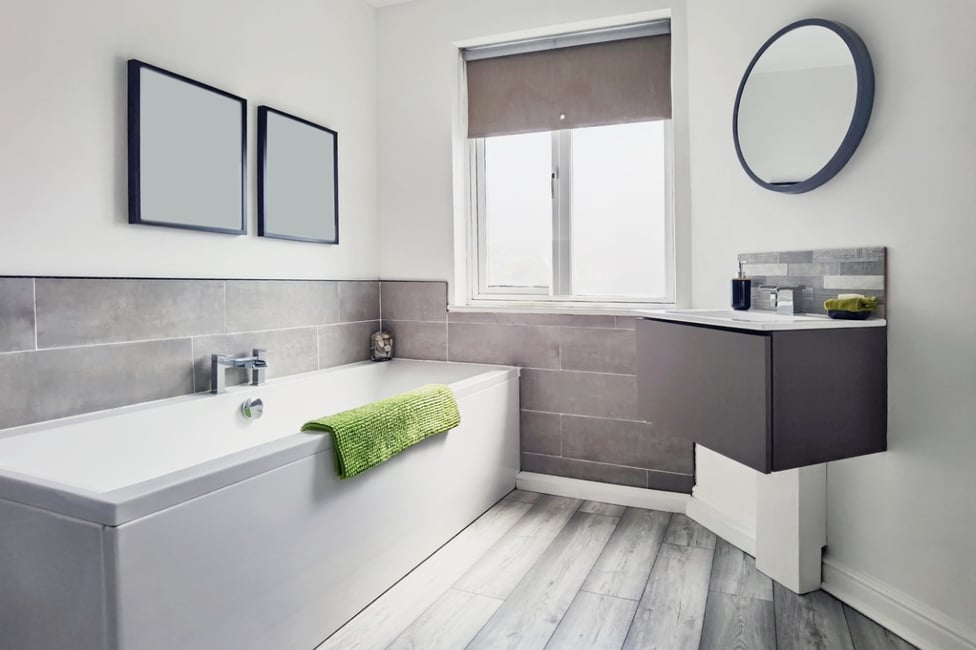
Even if you don’t need planning permission, you will need to meet building regulations when adding an en-suite bathroom. These rules ensure your new bathroom is safe, structurally sound, and properly fitted, particularly when it comes to ventilation, water, and electrical systems.
Building regs approval is a legal requirement in the UK, whether converting an existing space or creating a new ensuite. You can apply through your local authority’s building control department or use an approved private inspector, and it helps to understand the key considerations for adding an ensuite bathroom before you begin.
Your local council or a private building control inspector will assess factors such as:
Bathrooms need proper ventilation to prevent damp, mould, and structural damage. If the room doesn’t have an opening window, you’ll need a mechanical extractor fan that vents to the outside. Some local authorities also require fans in addition to windows, especially in small or enclosed en-suites. Good lighting choices such as illuminated mirrors can also improve visibility in enclosed en-suites.
All new pipework must be correctly installed to connect to your home’s existing drainage system. This includes:
In a compact ensuite, a close coupled toilet or a short projection model can work well, but it’s also important to understand the overall cost of an ensuite bathroom so you can budget realistically.
Any work involving new connections or changes to your drainage may also need to be signed off.
Part P of the Building Regulations applies because bathrooms are high-risk areas for electric shock. Key requirements include:
If your ensuite project involves removing or modifying load-bearing walls, adding joists, or cutting into floors/ceilings, you’ll need to demonstrate that the structure remains sound. This usually requires structural calculations and may involve steel supports or reinforcement. You will also need approval if you alter a load-bearing wall or add new joists.
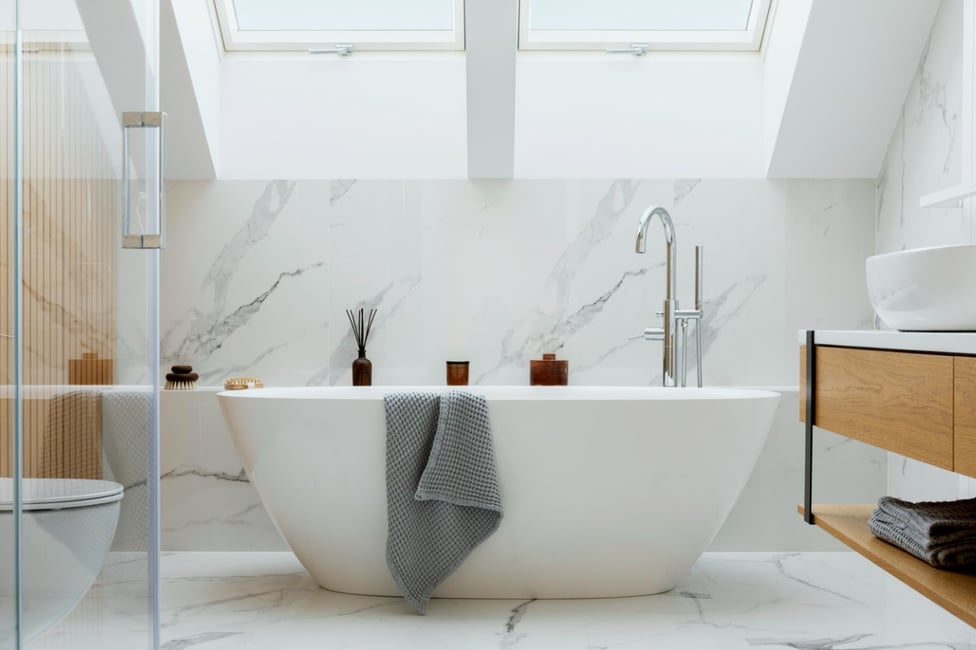
If you’re already undertaking a loft conversion, side extension, or any major renovation that requires planning permission, it’s smart to plan your ensuite bathroom as part of that larger project. Including the ensuite in your initial plans and application helps you:
For example, if you’re converting a loft and adding a dormer window to house an ensuite off the primary bedroom, this would typically require planning permission, so including the ensuite in your submission is essential; it’s also often a standard feature of main suite bathrooms layouts.
Even when planning permission isn't needed, building regulations will still apply. Factoring in the ensuite from the start ensures that your layout, ventilation, and drainage systems meet the necessary standards, helping you avoid costly changes later.
Whether you're designing a stylish toilet for guests, a compact ensuite for a small bathroom, or a full spa-like space in your main suite, planning it alongside larger works is more efficient and cost-effective, especially if you follow essential tips for a successful bathroom refurbishment.
So while most ensuite installations don’t trigger planning permission on their own, it’s always worth checking early, especially if your home is listed, leasehold, or located in a conservation area.
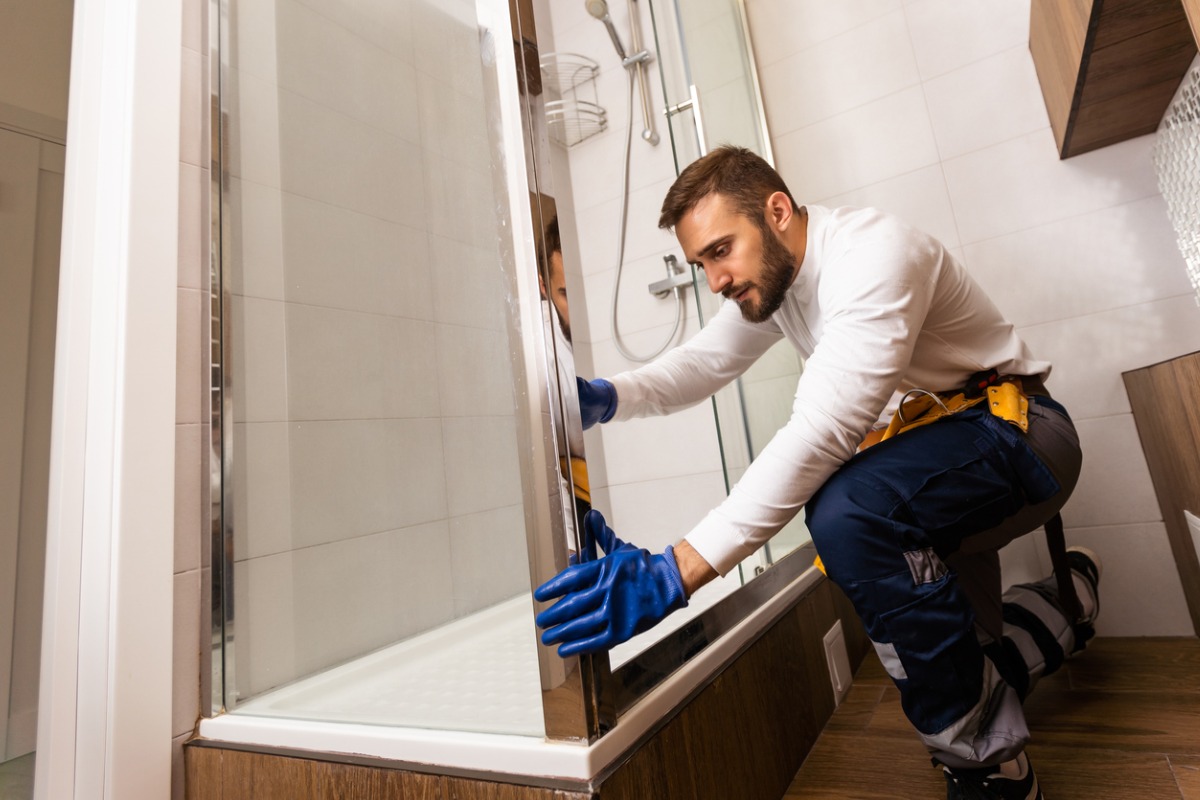
Before you start knocking down walls or shopping for tiles, it’s important to take a few smart steps to ensure your ensuite project runs smoothly and is compliant with all relevant regulations.
Consulting a professional can save you time, money, and stress, even for small internal projects. They’ll help you assess the space, plan the layout, ensure compliance with building regs, and coordinate any necessary permissions, especially if your property has quirks like awkward plumbing, structural challenges, or listed status. In the end, they can also help create a layout that suits your household and works better for family life—particularly if you take the time to select the best bathroom fitter in Staffordshire for the job.
If you're unsure whether you need planning permission or Listed Building Consent, don’t guess. A quick call to your local planning authority can clarify what applies to your property and prevent costly mistakes. Many councils also offer pre-application advice services for more complex builds.
Whether you're working through your local council or a private approved inspector, approval of building regulations is required for all new bathrooms. Involving a building control officer early means your designs can be reviewed for compliance before any work begins, reducing the risk of failed inspections or expensive rework later on.
For most ensuite bathroom additions, planning permission isn’t needed, especially when you're converting an existing space within your home. However, building regulations always apply, and it's essential to meet standards for ventilation, plumbing, electrical safety, and structural integrity.
If your home is listed, in a conservation area, or part of a flat or maisonette, the rules can be more complex, so it’s always worth checking with your local planning authority before starting work.
To ensure your project runs smoothly from start to finish:
Design choices also play a significant role in making your ensuite feel both functional and indulgent. Traditional finishes can give it a more luxurious, luxury feel. Space-saving fixtures like wall-hung toilets, corner toilets and a freestanding vanity unit can maximise floor space and add a touch of modern style. Thoughtful details—from bathroom accessories to lighting—can help transform even a compact ensuite into a peaceful retreat where you can enjoy a relaxing shower at the end of the day, especially when you follow a comprehensive guide to upgrading your bathroom. It also makes access easier in the middle of the night without going through a dark hallway, and gives you a place to rest after a long day or busy day.
With the right preparation, your new ensuite can be a valuable, practical, and stylish upgrade—delivered without delays, stress, or legal headaches, and it can make a room easier to rent, especially when you work with expert home transformation services to create the perfect spaces.
Are you ready to take the plunge and transform your bathroom into an oasis? Well, look no further! The Conversion Guy is committed to providing you with a bathroom renovation experience that is unparalleled.
With over 40 years of experience in bathroom remodelling, we are looking forward to helping you create the most amazing bathroom of your dreams! We love talking bathrooms, so be sure to get in touch today or book a free consultation and start your journey towards creating the perfect bathroom retreat!
Explore our resources and learn about pricing, bathroom refits, kitchen kitchen renovations, loft conversions and many other home improvements in our Learning Centre