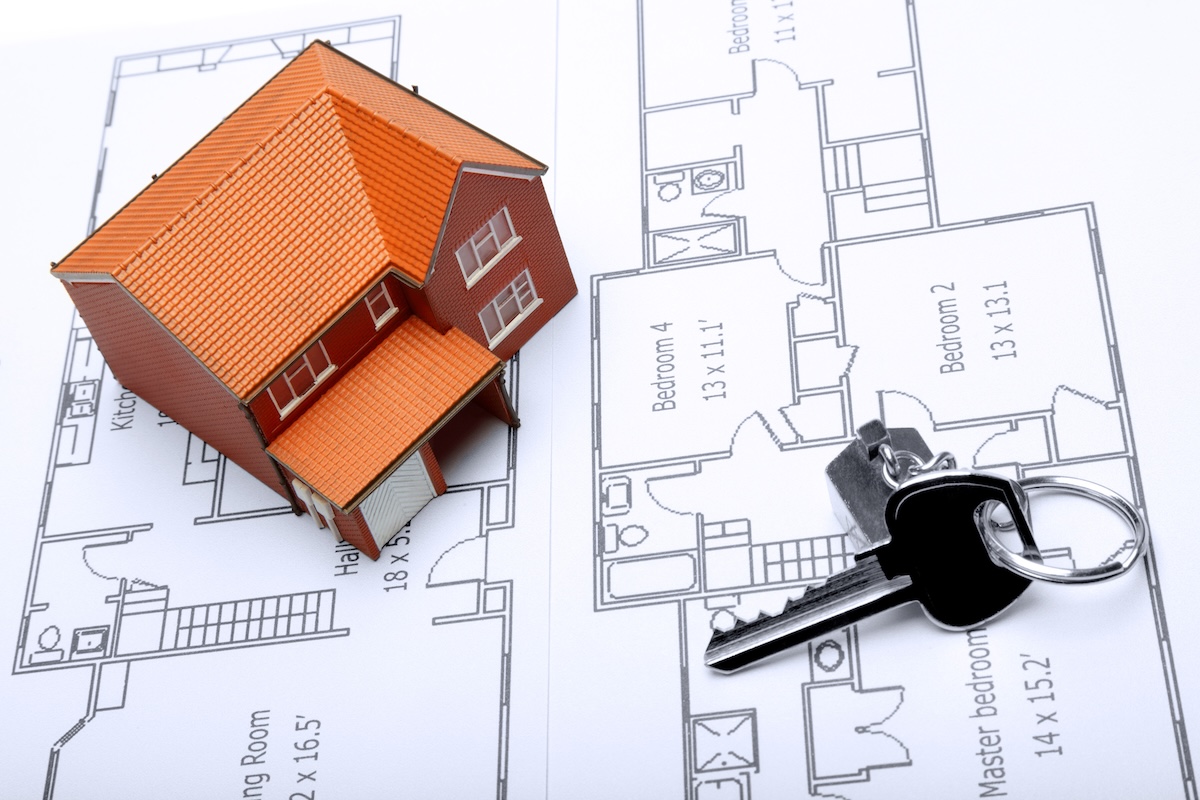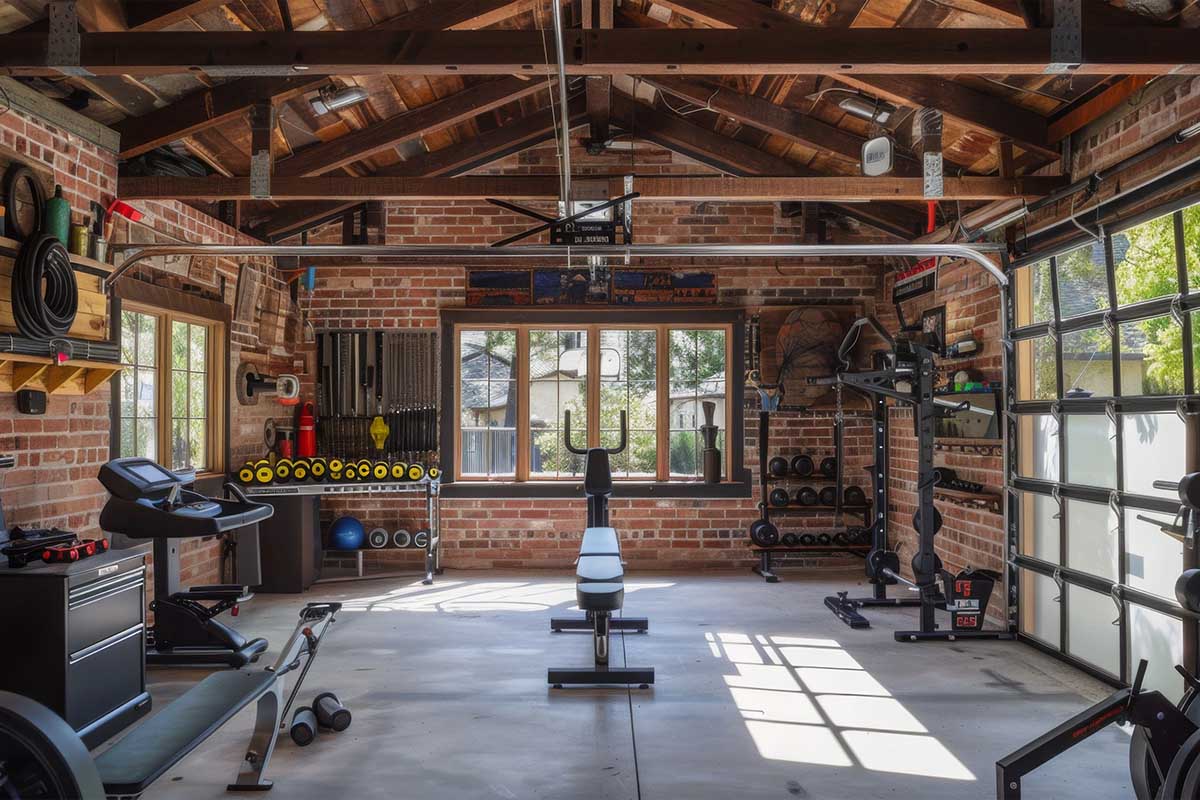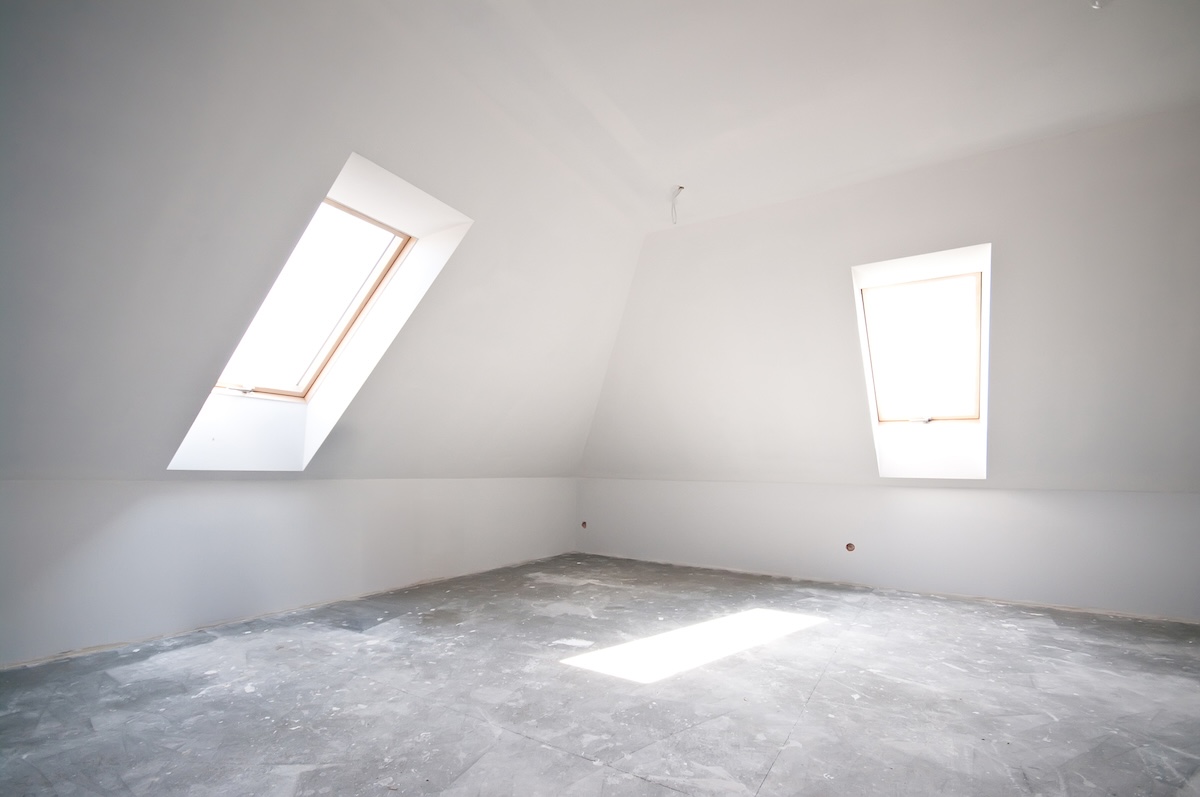
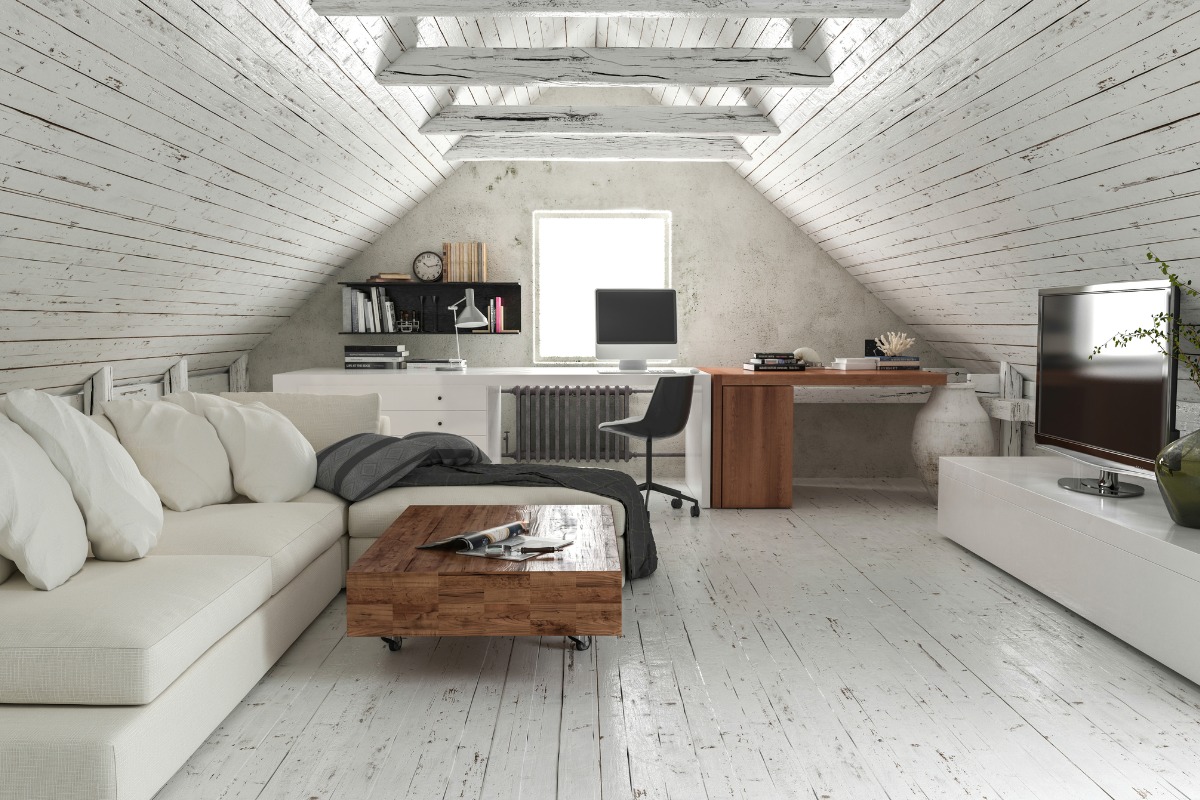
If you're looking to add more space to your home, two of the most popular options are a garage conversion and a house extension. Both can transform the way you use your property, but they come with very different costs,...
For many UK homeowners, adding more space is one of the most effective ways to increase comfort and boost property value. The two most popular ways to achieve this are a loft conversion or a traditional extension. Both options create new living space, both offer design flexibility, and both can significantly increase the value of your home. The question most people ask is which option adds more value.
The answer depends on your home, your existing roof, your budget and the type of new space you want to create. This complete loft conversion guide walks you through the factors that influence value, the types of loft conversions available and how both choices compare.
Understanding the Value of a Loft Conversion
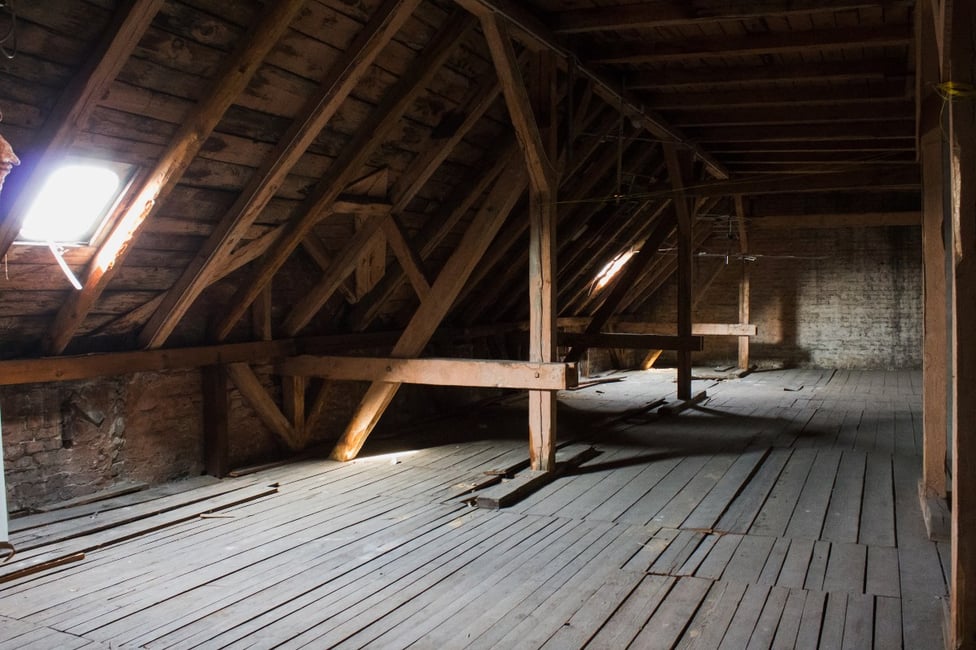
A loft conversion transforms unused roof space into a functional room. This type of home improvement is especially popular in terraced houses, semi-detached homes, and properties where ground-floor extensions are not practical. Most loft conversions create more space without altering the footprint of the existing house, making them appealing for urban homes with limited garden space.
Loft conversions are known for their excellent return on investment. Many estate agents note that adding a new loft room can increase property value by up to twenty percent when completed to a good standard. The added benefit is that most loft conversions can be completed under permitted development rights, which often removes the need for planning permission.
Loft Conversion vs Extension: Which Adds More Value?
Extensions are a great choice when a larger kitchen, open plan space or extra ground floor room is the goal. A loft conversion, on the other hand, provides new habitable space without affecting the garden. In most cases, a loft conversion adds more value than an extension because it converts the original roof space into useful living space without reducing outdoor areas.
A loft extension, such as a dormer conversion or a mansard loft conversion, can be a cost-effective way to add square footage to your home. Homeowners appreciate that the loft conversion cost is often lower than a large rear or side extension. The work also tends to be less disruptive because it takes place away from the main living areas.
How Property Type Influences Value
The type of home you own plays a big role in how much value you can add. Terraced houses, semi-detached homes and properties with a suitable roof pitch often see the highest gains. Homes with a generous existing roof structure and good existing roof slope are ideal for loft conversions because they offer more usable height and roof space from the start.
A semi-detached house or Victorian terrace with a large attic can often accommodate dormer windows, new floor joists and steel beams, which makes it easier to create a bright and spacious loft room. The more natural light and the more head height you achieve, the more valuable the final space becomes.
Comparing Costs: Loft Conversion Cost vs Extension Cost
Understanding the loft conversion cost is key when comparing it to a ground-floor extension. A loft conversion project usually comes with a lower price per square metre because it uses the existing roof and existing ceiling joists as part of the structural framework. A rear or side extension requires new foundations, new load-bearing walls and a large amount of ground work, which increases the budget.
Extensions can also be more complicated when you require planning permission, especially if you live in a conservation area, an area of outstanding natural beauty or a neighbourhood with strict planning rules. In comparison, a new loft conversion is often completed under permitted development, which helps keep costs down.
How Much Space Can a Loft Conversion Create?
Loft conversions can add a surprising amount of living space. The size depends on the original roof space, the roof structure and the roof pitch. Homes with a steep pitch and a tall vertical wall at the gable end often produce the most usable space.
A dormer or hip-to-gable loft conversion can significantly increase floor space by extending the roof outwards. If you want even more space, a mansard loft conversion may be the best choice because it alters the sloping roof into a nearly vertical wall, creating maximum usable space.
Types of Loft Conversions and Their Value Potential
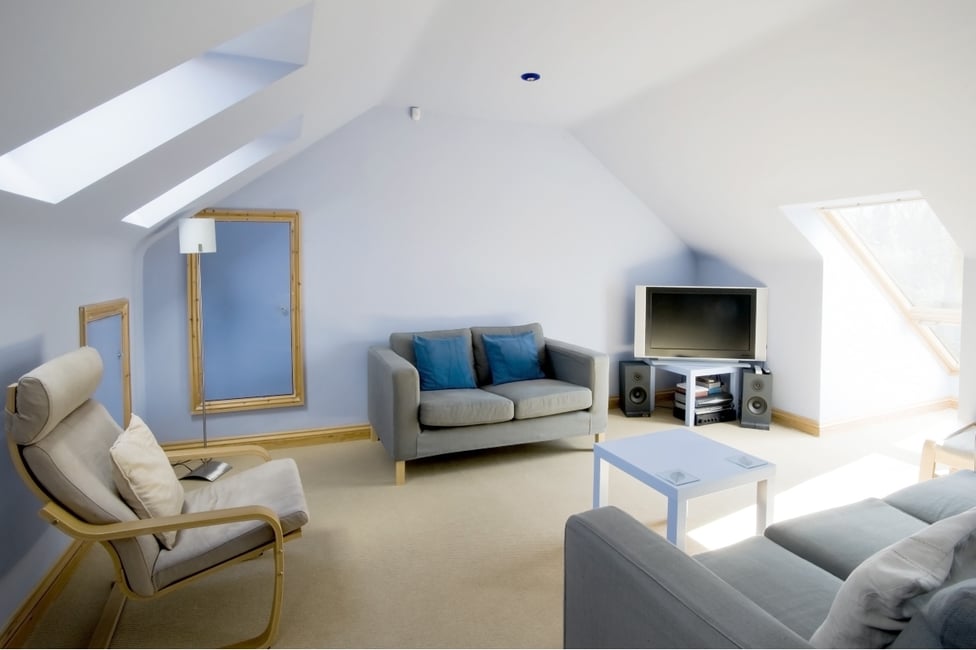
There are several types of loft conversions. Each one offers unique benefits and influences property value differently.
Dormer Loft Conversion
A dormer loft conversion is one of the most popular styles. It creates additional headroom, adds dormer windows for natural light and works well on terraced houses, semi-detached homes and many period properties.
Hip to Gable Loft Conversion
A hip-to-gable loft changes the sloping hip end of the roof into a straight vertical wall. This creates more roof space and is ideal for semi-detached houses. Homeowners often pair it with a rear dormer for maximum living space.
Mansard Loft Conversion
A mansard loft conversion involves significant structural alterations and changes the entire roof shape. Although it is more expensive, it often adds the most value because it produces a spacious, full-height loft room.
Rooflight Loft Conversion
A rooflight loft conversion is the simplest option. It keeps the existing roof structure and simply adds roof windows for light and ventilation. This can be the most affordable option, especially when you have a suitable roof pitch.
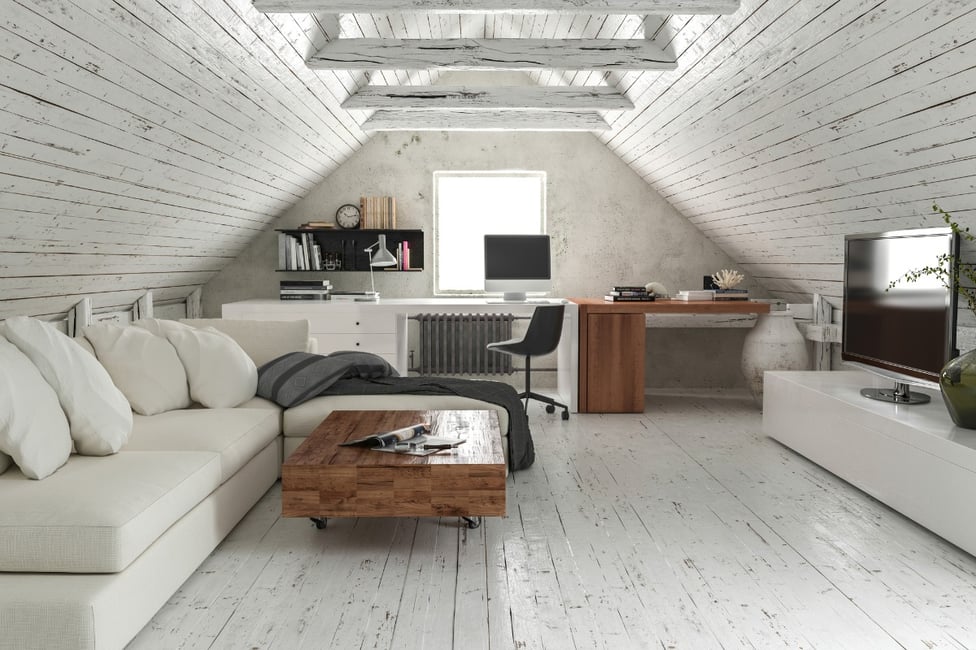
How Extensions Compare in Terms of Value
Extensions are excellent when your goal is to expand your kitchen, increase ground floor space or create an additional living area. They work well in properties with large gardens and can be designed as an open-plan space. However, an extension often requires planning permission, extensive ground works, and a longer build time.
A loft conversion usually adds value because it creates a bedroom and sometimes an ensuite, increasing the number of habitable rooms. Buyers place a premium on extra bedrooms, especially in areas with competitive housing markets.
Loft Conversion Design and Value
Thoughtful loft conversion design can significantly enhance the overall return. Adding natural light through dormer windows or roof windows makes the room feel larger. Installing new floor joists, steel beams, and high-quality insulation ensures the structure is solid and energy-efficient.
Design choices such as the placement of the staircase, built-in storage space and the location of the new loft floor can influence how comfortable and practical the new space feels.
Planning Permission Considerations
Most loft conversions fall under permitted development rights. This means you might not need planning permission unless your home is in a conservation area, an area of outstanding natural beauty, or the loft extension exceeds certain size limits.
Extensions often cannot rely on permitted development rights due to their impact on neighbours and the garden. Homeowners regularly need planning permission for ground-floor extensions, which can add cost and time to the project.
Building Regulations and Structural Requirements
Even if you do not require planning permission, you will always need building regulations approval. Building regulations cover fire safety, sound insulation, structural stability and energy efficiency. They ensure that new floor joists, steel beams, staircases, protected stair enclosures and egress window openings meet safety standards.
A structural engineer is usually involved in the planning process to calculate the size of steel beams, load-bearing walls and the strength of the new loft floor. A building control inspector will check that the work complies with building regulations and plans and that everything is built correctly.
Insulation and Energy Efficiency
Good insulation is essential for a comfortable loft conversion. There are two main methods. The warm roof method involves placing insulation above the rafters, while the cold roof method places it between the rafters. Each method achieves different levels of thermal performance.
Energy efficiency affects not only comfort but also long-term value. Buyers appreciate homes with lower heating bills and well-insulated loft spaces.
Fire Safety Requirements
Building regulations include strict fire safety requirements for loft conversions. These can include fire doors on the first floor habitable rooms, smoke alarms, suitable escape routes and a protected stair enclosure. These features ensure that the new habitable space is safe for occupants.
Extensions also have to meet fire safety rules, but loft conversions often have more detailed requirements because they involve additional floors.
Party Wall Agreements for Loft Conversions
If you live in a semi-detached house or terraced property, you may need a party wall agreement. A party wall agreement protects both you and your neighbour by confirming that structural alterations, such as steel beams, dormer walls, or changes to the existing roof structure, will not affect their home.
Extensions sometimes require party wall agreements too, but loft conversions often make the process simpler because most of the work is internal.
Comparing Disruption Levels
A loft conversion is usually less disruptive than an extension. Most of the work is completed from the outside or through the roof until the staircase is installed. This keeps your living space cleaner and reduces the impact on day-to-day routines.
Extensions involve more disruption because builders need access to the ground floor and garden. Work such as digging foundations, installing drainage and altering walls can affect your daily life for several months.
Does the Type of Roof Affect the Value a Loft Adds?
Your existing roof slope, roof pitch and roof structure influence how much value a conversion can add. Homes with a high pitch and generous attic trusses usually create more habitable space. Properties with a very low roof pitch may need more significant structural work before they can be converted.
A gable loft conversion, a hip to gable or a dormer conversion can all increase the available usable space if the original roof space is limited.
Is a Loft Conversion Right for Every Home?
Not every home is suitable for a loft conversion. Properties with no existing roof space, unusual roof structures, or very restricted head height may struggle to meet building regulations. Homes with flat roof areas may need additional work to add a mansard or dormer extension.
This is where a loft conversion specialist becomes invaluable. An experienced professional can assess whether your home has sufficient headroom, whether new floor joists are needed, and whether the project can be completed under permitted development rights.
The Importance of Natural Light in Your New Loft Room
Natural light makes a huge difference to the feel of a loft conversion. Choosing the right dormer windows, roof windows, or gable windows can transform the new space into a bright, welcoming room. Buyers value homes with good light, which adds to your overall return.
Large windows also help the new space feel more connected to the outdoors, which enhances the appeal of the final room.
Storage Space and Practical Features
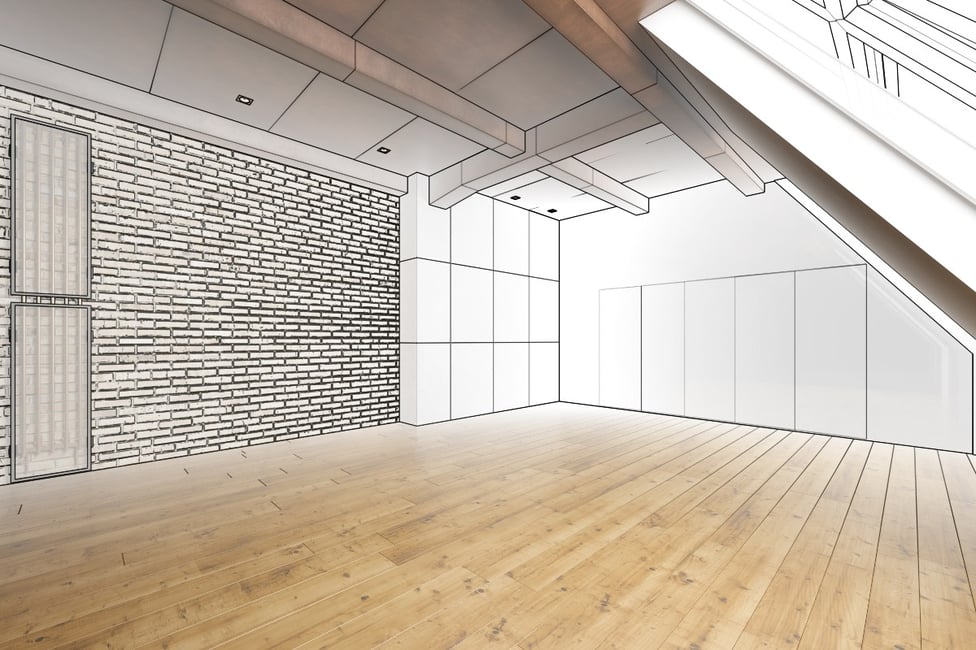
Well-designed loft conversions often include clever storage space in areas where the sloping roof limits head height. Built-in cupboards, shelving and custom furniture make the most of awkward corners and increase the practicality of the room.
Extensions can offer more flexibility in layout, but loft conversions often surprise homeowners with how much usable space they create once cleverly designed.

Which Adds More Value Overall?
Most experts agree that a loft conversion adds more value than an extension in many cases. The ability to add a bedroom and, sometimes, an ensuite without requiring major structural alterations makes it especially appealing. Buyers place significant value on extra bedrooms, and homes with more habitable rooms sell faster.
Extensions remain valuable for creating larger family living areas, but loft conversions offer a more substantial return on investment per square metre in most situations.
Making the Right Choice for Your Home
Whether you choose a loft conversion or an extension depends on your existing house, your goals and your budget. A loft conversion is often the best way to add value, create more space and make full use of your original roof space. It is typically faster, less disruptive and easier to complete under permitted development rights.
Extensions offer benefits too, especially when you want a larger kitchen or ground-floor living area. It is worth carefully comparing your options and speaking with a loft conversion specialist or an architect who can assess the structure of your home.
For many UK homeowners, a loft conversion is the clear winner when comparing value, practicality and the long-term benefits it can offer.
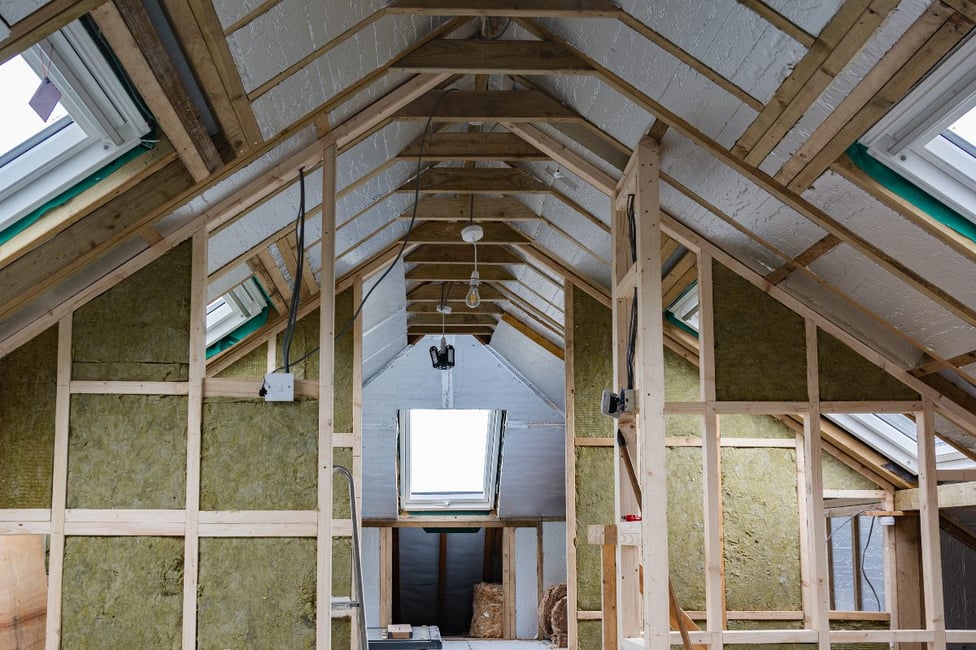
The Conversion Guy – Expert Loft Conversions in Derbyshire & Staffordshire
Are you ready to take the plunge and turn your unused loft into a beautiful, practical space? Well, look no further! The Conversion Guy is committed to delivering a loft conversion experience that is second to none.
With over 40 years of experience in loft conversions, we are looking forward to helping you transform your unused space into something truly special! We love talking lofts, so be sure to get in touch today or book a free consultation and take the first step towards unlocking your home’s full potential.
From the Learning Centre
Explore our resources and learn about pricing, bathroom refits, kitchen kitchen renovations, loft conversions and many other home improvements in our Learning Centre