

When embarking on a kitchen renovation or new build, choosing the right kitchen fitter is one of the most crucial decisions you'll make. Whether you’re replacing kitchen worktops, installing new kitchen units, or overhauling your...
A garage conversion is often described as one of the quickest ways to gain extra space in a UK home, but “quick” can mean different things depending on the starting point and the finish you want. Some projects are genuinely completed in a relatively quick time period, while others stretch out because of planning, inspections, or hidden issues in the existing garage. If you are converting for a utility room, a home office, a snug, or even a gym, the timeline still matters because it affects budgets, trades, and how disruptive the work feels day to day.
In this guide, we will break down how long a typical garage conversion takes, what happens at each stage, and the real factors that speed things up or slow them down. We will also cover planning permission, permitted development, and the role of building control, so you can plan your next home improvement project with fewer surprises.
The short answer: the typical garage conversion timeline
For a straightforward UK garage conversion, the on-site build commonly takes 3 to 6 weeks once work starts. That is for a single garage being turned into a warm living space with insulation, electrics, plastering, and finishing. If your design includes more structural changes, a bathroom, or more complex electrics, the build phase can push closer to 6 to 10 weeks.
The bigger timeline often sits outside the build itself. If you need planning permission, party wall discussions, or specific sign-offs from your local authority, you may spend several weeks before a builder lifts a tool. That is why it helps to look at the process in stages, not just the build.
Stage 1: Deciding what you are converting the garage into
Before anyone quotes properly, you need clarity on what the new space will be. A garage conversion into a utility room tends to require plumbing and ventilation planning, while a lounge-style living space may need larger openings and new windows for daylight. A home office might require extra sockets, data points, and careful heating choices.
This stage also involves asking practical questions like how much space you actually need and whether you want partial garage conversions that keep some storage. That decision changes layout, services, and sometimes external alterations, which affects the schedule.
Stage 2: Surveying the existing garage and spotting risks early
A good conversion starts with understanding the existing structure. Builders will look at the existing foundations, wall construction, roof condition, and damp risk. Garages often have a concrete slab floor, thinner walls, and a roof that was never designed for comfort.
You might also need to check the height difference between the internal floor and external ground level, because it affects damp protection and finished floor levels. This is where issues like a missing damp proof course or a tired roof covering can appear and extend the timeline if they need fixing.
Stage 3: Planning permission and permitted development timeframes
Many homeowners are pleased to learn that a garage conversion may fall under permitted development rights, meaning you might not need planning permission. However, you can still require planning permission if external changes are significant, parking restrictions apply, or your area has limitations imposed by the local authority.
If you do need planning permission, a typical UK decision period is often around 8 weeks, though it can vary depending on the local planning authority and whether extra information is requested. If your property is in a conservation area, or within an area of outstanding natural beauty, the process can be more detailed and take longer.
For a listed building, you may need listed building consent. That adds complexity and can stretch timescales, especially if you need to demonstrate that alterations will not harm the original character.
Stage 4: Building regulations and the building control process
Whether or not you need planning approval, you still need to comply with building regulations. A garage conversion building regulations submission may be handled through a Full Plans application or a Building Notice, depending on your approach and the work involved.
You will also need building control inspections at key points. If you go through the council, the local building control department may inspect the work. Typical inspections include foundations or structural changes, insulation and damp protection, and then a final sign-off.
This stage matters because inspection timing can influence the programme. If inspections are not booked in advance or a stage fails, your conversion project can pause until it is corrected.
Stage 5: The build starts, and what happens first on site
Once work starts, the early days often focus on stripping out and preparation. That may include clearing old storage, removing shelving, and making safe any existing electrics. If you are keeping some storage space as part of the design, the layout is marked out and partition work begins.
The builder will also address the opening where the garage door sits. Often, the garage door is removed and replaced with a new insulated wall section, sometimes with new windows. This is one of the biggest visual changes, and it sets the tone for the whole conversion.
Stage 6: Structural changes that can extend the schedule
Not all garage conversions need structural work, but when they do, the timeline can stretch. This might include widening an internal opening to connect to the main house, adding a supporting beam, or dealing with an uneven roof structure.
The roof type plays a role here. A flat roof sometimes requires upgrades for insulation and ventilation, and occasionally repair work. A pitched roof may be in better condition, but it still needs roof insulation and checks to ensure the garage roof is sound.
If your garage is an older existing garage, structural surprises are more likely, which is why surveys matter.
Stage 7: Insulation and creating a habitable room
Insulation work is a key milestone, because it turns a cold garage into a comfortable habitable space. The walls usually need garage conversion wall insulation, especially if they are single skin. That can involve stud walls, insulated boards, and insulated plasterboard.
The roof needs roof insulation, and the floor often needs upgrades, too. Without this, the room will never feel like a true living space. Insulation also affects thermal performance, which is part of what building regulations are designed to protect.
On a typical job, insulation and sealing can take around 3 to 7 days, depending on the size of the garage conversion space and how complex the details are.
Stage 8: The garage floor, damp protection, and levels
The garage floor is a common point where timelines change. Many garages sit lower than the main home and might not have the same damp protection. If the floor needs insulating, levelling, or raising, that adds labour and drying time.
A moisture barrier and proper detailing around the damp-proof course are critical. If drying time is needed for screeds or levelling compounds, the schedule can slow down, especially in cold or damp weather. This stage also affects when the final floor covering can go down.
Stage 9: Electrics, heating, and consumer unit decisions
Electrics are usually installed after first fix carpentry and before plastering. This is where you decide how many sockets, lighting points, and circuits you need. Some conversions can connect into existing circuits, but others benefit from a separate consumer unit or at least their own miniature circuit breaker.
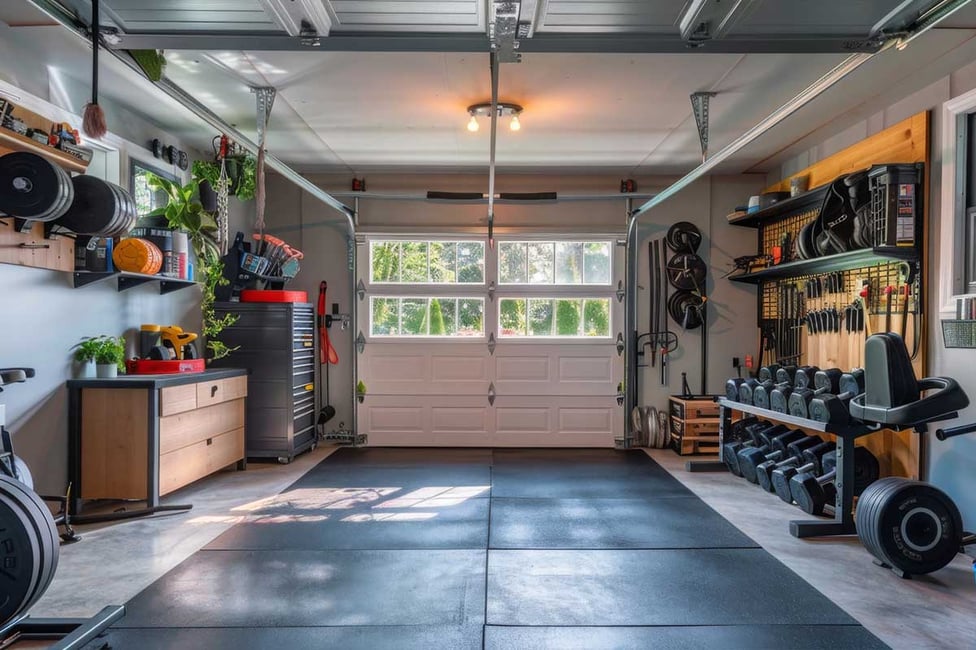
You may also hear electricians refer to a miniature circuit breaker, which is a standard protective device. If you are creating a room with heavier power needs, such as a workshop or even a gym with equipment, it can be worth planning dedicated circuits.
This stage often takes 2 to 5 days, depending on complexity and whether any upgrades are needed at the main board.
Stage 10: Plumbing and utility room timelines
If your garage conversion is becoming a utility room, the timeline can extend slightly because of plumbing and drainage. Bringing water and waste to the area can be simple if services are nearby, or more involved if the garage sits far from existing runs.
A utility room usually also needs good ventilation to manage moisture from laundry. That can mean extractor fans, air bricks, or a mechanical solution, depending on the design and building regulations requirements. Plumbing stages can take 2 to 7 days, depending on complexity.
Stage 11: Fire safety, escape routes, and internal layouts
Fire safety requirements depend on your layout and how the conversion connects to the home. If the conversion creates an inner room, you may need an alternative escape route or design changes to ensure safe egress.
This can influence window placement, door locations, and even how the internal corridor is planned. Fire safety measures can also include upgraded doors between the house and the converted area, depending on the arrangement.
These requirements are part of building control checks, so they are not optional. Good planning here avoids late changes that cost time.
Stage 12: Plastering, drying time, and second fix
Once the first fix work is complete, plastering transforms the room visually. Plastering itself is relatively quick, but drying time is often underestimated. In winter, drying can take longer, especially if the space is not yet fully heated.
After the plaster dries, the second fix begins. This includes fitting sockets, switches, radiators, skirting, and internal doors. This stage also sets the room up for decoration and flooring. It often takes 1 to 2 weeks, depending on how many trades are involved.
Stage 13: New flooring, final finishes, and making it feel like a real living space
When people ask “how long does a garage conversion take?”, they often forget that the last ten per cent can feel like it takes half the time. Flooring, painting, joinery, and fitting units can run on if materials are delayed.
Your new flooring choice matters. Tiles, vinyl, engineered wood, and carpet all have different installation requirements. This is also the stage where the room becomes a functional space, not a dusty build site. When done well, the converted garage feels like seamless extra living space rather than an add-on.
Stage 14: Building control sign-off and completion certificates
Before the job is truly finished, you need a final sign-off from building control. This is where the inspector checks that the work meets building regulations, including insulation, ventilation, electrics, and fire safety measures.
If your conversion was managed through the council, your local authority will issue completion documentation once they are satisfied. Keeping this paperwork matters for mortgage lenders and future buyers, and it protects the value of the garage conversion.
What affects how long a garage conversion takes?
Several factors can push a conversion to the faster or slower end of the range. The biggest influences are usually approval requirements, the condition of the existing garage, and the complexity of services like plumbing and electrics.
A standard attached conversion with minimal changes can move quickly. A more complex conversion on a detached garage, or one involving structural changes, will take longer. Weather can also matter if external work is involved, and supply delays can impact windows, doors, and finishes.
Attached garages vs detached garage conversions for timing
Attached garages often convert faster because access to services is easier and the structure is already integrated with the home. A simple layout can be turned into a warm new space without major external work, especially under permitted development.
A detached garage conversion can take longer because it may need additional service connections, extra insulation detail, and sometimes a different approach to heating. It can still be a fantastic way to gain extra space, but timelines are often less predictable.
DIY garage conversion timelines vs using a specialist
A diy garage conversion can take longer simply because you are fitting work around evenings and weekends. Even if the work is good, the stop-start nature can stretch the timeline significantly.
Working with a garage conversion specialist often speeds up the build because they have a set sequence, trusted trades, and experience navigating inspections. Many homeowners choose this route because it reduces stress and keeps the conversion project moving. It can also help ensure the work meets garage conversion building regulations from the start.
How to keep your conversion project on schedule
If you want to keep a garage conversion moving, focus on planning and decision-making early. Choose your layout, confirm whether you need planning permission, and book building control inspections in advance. Agree on your electrical plan early, too, including whether you need a separate consumer unit.
It also helps to decide how you will manage storage during the build. If your garage currently holds everything you store equipment in, you need a plan for temporary storage so that work is not delayed by clutter.
Finally, keep your finish selections simple and available. Delays are often caused by waiting on bespoke items rather than the build itself.
So, how long does a garage conversion take in the UK?
For many homeowners, a straightforward garage conversion is completed on site within 3 to 6 weeks, with the full process taking longer if planning permission or special approvals are needed. The best way to speed things up is to confirm requirements early, assess the existing structure, and work with a clear scope from day one.
If done properly, converting a garage can deliver a new room that feels like true habitable space and provides the extra space families often need. Whether you want a utility room, a home office, or a flexible living space, the key is planning for the timeline as carefully as you plan the design.
The Conversion Guy - A Trusted Garage Conversion Specialist in Derbyshire & Staffordshire
Are you ready to take the plunge and transform your garage into a warm, welcoming living space? Well, look no further! The Conversion Guy is committed to providing you with a garage conversion experience that is unparalleled.
With over 40 years of experience in garage conversions, we are looking forward to helping you turn your garage into a functional and beautiful space! We love talking conversions, so be sure to get in touch today or book a free consultation and start your journey towards a more spacious, versatile home.
From the Learning Centre
Explore our resources and learn about pricing, bathroom refits, kitchen kitchen renovations, loft conversions and many other home improvements in our Learning Centre