When browsing property listings or planning a home renovation, you’ve probably come across the term ensuite. An ensuite bathroom is a bathroom directly attached to a bedroom, creating a private, self-contained space accessed from...
If you are planning a kitchen renovation, it is completely normal to worry about the timeline. A kitchen is not like a spare room you can ignore while trades come and go. It affects meals, routines, and the general rhythm of the house, so you want a realistic view of how long the disruption will last.
The true “start to finish” timeline includes more than the days on site. It covers planning, ordering, deliveries, and then the build itself, plus the final tweaks that make the kitchen feel properly finished. Below, you will find typical UK timeframes, what happens at each stage, and how to keep your kitchen remodel moving.
Typical Kitchen Renovation Times in the UK
Most projects fit into three brackets. A cosmetic kitchen makeover, like swapping cabinet doors, updating tiles, and painting, often takes around one to two weeks once everything has arrived. A mid-range kitchen remodel, with new kitchen units, new worktops, and some electrical or plumbing adjustments, often takes two to four weeks on site.
A full kitchen renovation that changes layout, moves the sink area, or opens the room into a dining room can take four to eight weeks. In older homes, timelines can stretch if issues show up once the old kitchen comes out. The biggest factor is not always the work itself, but lead times for units, worktops, and appliances.
What “Start to Finish” Really Means
When people ask how long a kitchen renovation takes, they usually mean the noisy bit. In practice, the timeline starts when you begin planning, measuring, and choosing the kitchen style, and it ends after snagging and finishing touches.
If you only count installation days, you can end up frustrated when the schedule feels longer than expected. It is better to look at the full process so you can plan your life around it and make the disruption easier to manage.
Phase 1: Planning and Layout Decisions
This phase can take a few days or a few weeks. It includes collecting inspiration, exploring different styles, and deciding what you want the space to do better. Some households need better flow between the sink and the hob. Others need more cupboards, more drawers, or a breakfast bar for quick meals.
Start by noting what does not work in your current kitchen. Do doors clash with drawers? Is the dining table squeezed into an awkward corner? Does the sink feel too far from prep space? These details shape a layout that makes life easier.
Quick planning wins that save time later
Measure the room carefully, including the space for appliances, worktops, and wall cupboards. Decide your priorities early, then set a realistic budget so choices match your spend from the start.
Phase 2: Design Appointment and Survey
A design appointment turns ideas into a workable plan, including kitchen units, cabinets, and kitchen doors. Some homeowners go for fitted kitchens through a supplier, while others use a designer and an independent installer. Either approach can work as long as the measurement is accurate.
A survey matters in UK houses where walls and floors can be uneven. It helps prevent issues when cabinet doors are fitted and worktops are installed. Allow one to two weeks for this stage, especially if you are comparing options to find an affordable price.
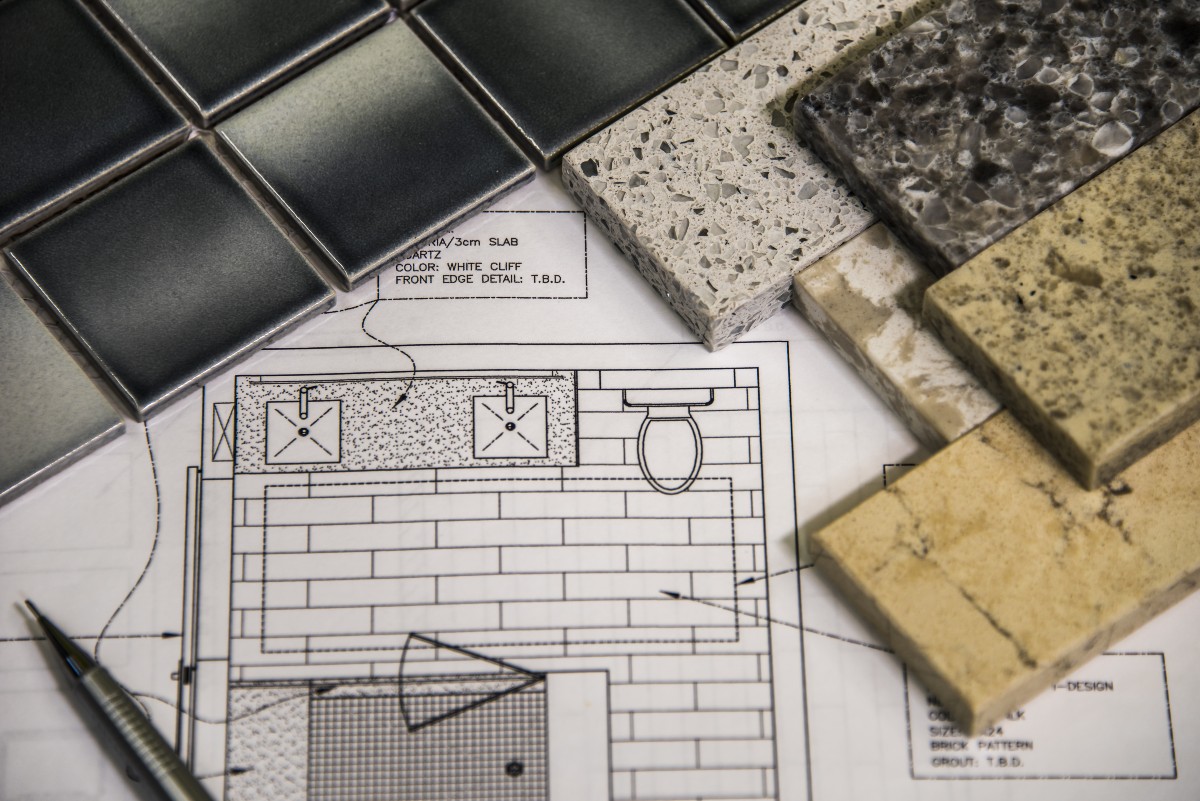
Phase 3: Choosing Finishes and Finalising the Look
This stage is where timelines often quietly stretch because there are many decisions. You will choose cabinet doors, drawer fronts, colour, tiles, paint, worktops, and accessories. This is also where you decide if you want high gloss finishes, classic kitchen cabinet doors, or a more modern look with stainless steel details.
If you want a fresh look without replacing everything, this is where a cost-effective plan forms. You might replace kitchen cabinet doors, update worktops, add new tiles, and refresh paint. Done well, it can look like a whole new kitchen without the time and cost of a completely new kitchen.
Phase 4: Ordering and Lead Times
Lead times are often the longest part of the process. Stock kitchen units may arrive in two to four weeks, while a bespoke kitchen can take longer. Worktops also affect timing. Laminate can be quick, while stone often needs templating after units are fitted, which adds extra time.
Appliances can delay projects, too. If kitchen appliances are backordered, it can slow completion, even if the cabinets are installed. Confirm sizes and delivery dates early so you do not end up waiting at the end.
Phase 5: Prep Before Work Starts
This stage is short but important. Clearing cupboards and drawers, protecting nearby rooms, and setting up a temporary kitchen can take one to two days. Even a simple microwave, kettle, and mini fridge can make the disruption feel less intense.
If your kitchen connects to a dining room, plan dust protection and access routes. Good prep helps the team work faster and reduces stress in your day-to-day life.
Phase 6: Removing the Old Kitchen
Strip-out usually takes one to three days. This includes removing cabinets, appliances, sink fittings, and sometimes old tiles. In a kitchen makeover, you may not need a full strip-out, especially if you are only changing doors or worktops.
This is also when hidden problems can appear, especially in an old kitchen. Uneven walls, damaged plaster, or outdated wiring can add time. A small buffer here can save frustration later.
Phase 7: First Fix Plumbing and Electrics
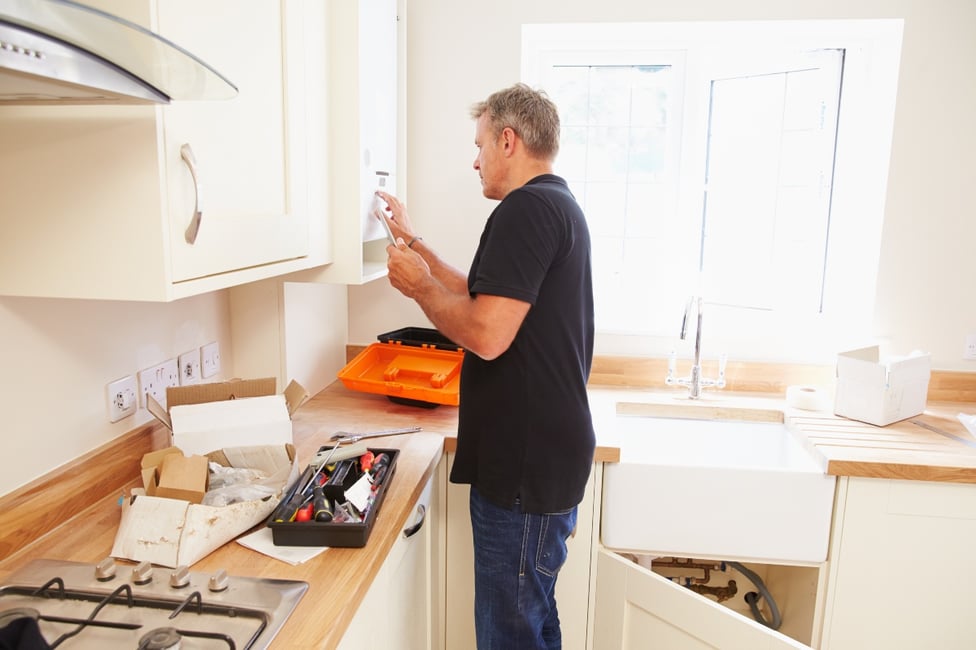
First fix is when plumbing and wiring are prepared before the cabinets go in. Moving the sink, adding more sockets, or repositioning appliances can take two to five days. If you keep the sink in place, it is usually quicker and can help save money.
At a practical level, this stage is worth doing properly. Good electrics, well-placed sockets, and sensible appliance placement can make a big difference to daily function.
Phase 8: Plastering and Painting
Walls may need plastering or patching after the first fix, particularly if old tiles came off or the layout changed. Drying time can add a few days depending on conditions. Painting is often best done before units are installed because it is easier and cleaner.
If you want a feature wall or specific colour combinations, this is the stage to do it. Paint is also one of the most budget-friendly ways to refresh the room quickly.
Phase 9: Flooring
Flooring typically takes one to three days. Some install it before cabinets for a seamless finish, while others install after to reduce total cost. Tiles can take longer because of setting and grouting, but they can deliver a stylish finish with good longevity.
If you are using floor tiles, plan them early as part of the overall kitchen style. Flooring affects how the space looks just as much as cabinet doors and worktops.
Phase 10: Installing Kitchen Units, Cabinets, Doors and Drawers
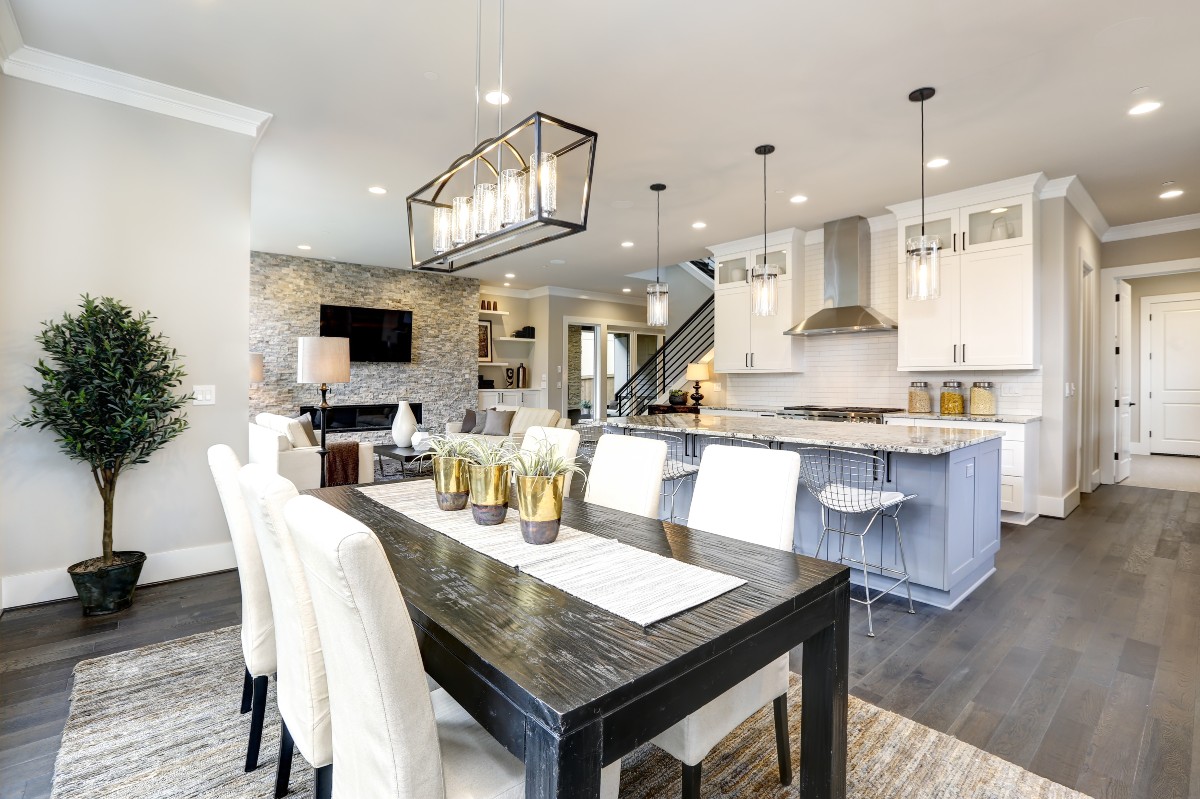
This stage is where the kitchen starts to take shape. Installing kitchen units, cabinets, and wall cupboards typically takes two to five days. The fitter will level everything carefully so doors line up and drawers run smoothly.
Then comes fitting kitchen doors, cabinet doors, drawer fronts, and handles. This is often where a kitchen makeover feels dramatic, because new doors can create a brand new look quickly.
Phase 11: Worktops and Templating
Worktops can be quick or slow depending on the material. Laminate worktops can usually be fitted quickly after units. Stone worktops often require templating first, then manufacturing, then fitting, which can add one to two weeks.
Worktops are used constantly, so choose something that suits your budget and how you use the kitchen. Even without changing everything else, new worktops can create a fresh look and a big impact.
Phase 12: Second Fix and Fitting Appliances
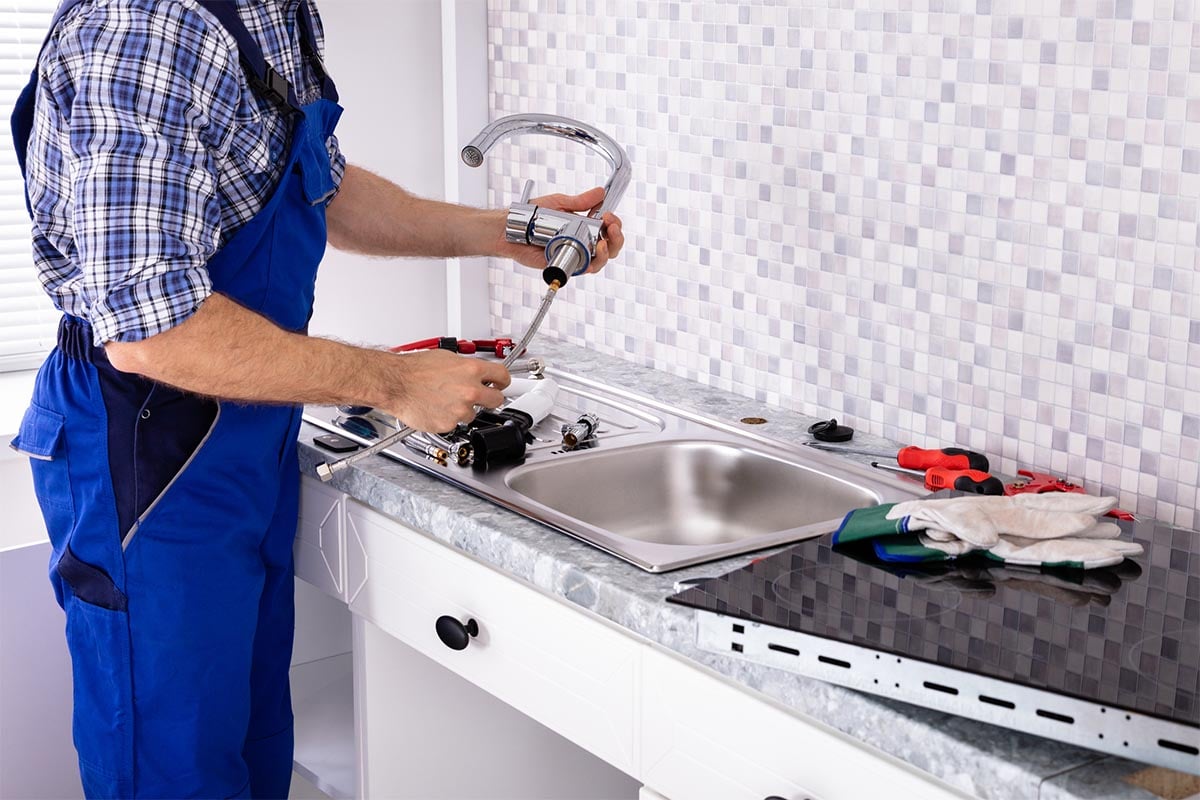
Second fix is when the sink is connected, taps are fitted, lights are installed, and appliances go in. This stage normally takes two to four days. If you have lots of integrated appliances, it can take a bit longer.
This is usually when the room becomes usable again, which makes the rest of the process easier to live with. Once the sink and key appliances are connected, daily routines feel far more manageable.
Phase 13: Tiles, Splashbacks, and Open Shelving
Splashbacks and tiles are often done after worktops, so lines and edges look neat. This stage can take one to three days, depending on the amount of tiling and whether you use patterned tiles. If you want open shelving, it may also be fitted now.
Tiles are a great way to bring in colour and style without rebuilding the whole room. They also help tie together cabinets, worktops, and accessories.
Phase 14: Snagging, Adjustments, and Finishing Touches
The final phase includes snagging and finishing touches, like adjusting doors, aligning drawers, sealing edges, and fitting trims. It might also include final paint touch-ups and styling the room so it looks complete.
This stage can take a day or two, but it is important. It is what turns a kitchen installed into a kitchen you are genuinely happy with.
Common Reasons Timelines Run Late
The most common delays come from product lead times, worktop scheduling, and missing appliances. Hidden issues behind an old kitchen can also add days, especially if plaster or electrics need extra work.
Changes mid-project are another common cause. Swapping kitchen units, changing layout, or altering colour decisions can slow progress and increase cost. The smoother the decisions, the smoother the timeline.
How to Keep Your Kitchen Renovation on Track
Confirm lead times before booking trades, and schedule worktops and appliances early. Make decisions upfront, particularly around cabinets, kitchen doors, and finishes. If your budget is tight, focus on upgrades that give the biggest difference, like cabinet doors, tiles, paint, and new worktops.
A sensible buffer helps too. Even a well-planned kitchen renovation benefits from breathing room, especially in older houses where surprises are more likely.
Kitchen Makeover vs Full Renovation: The Timeline Difference
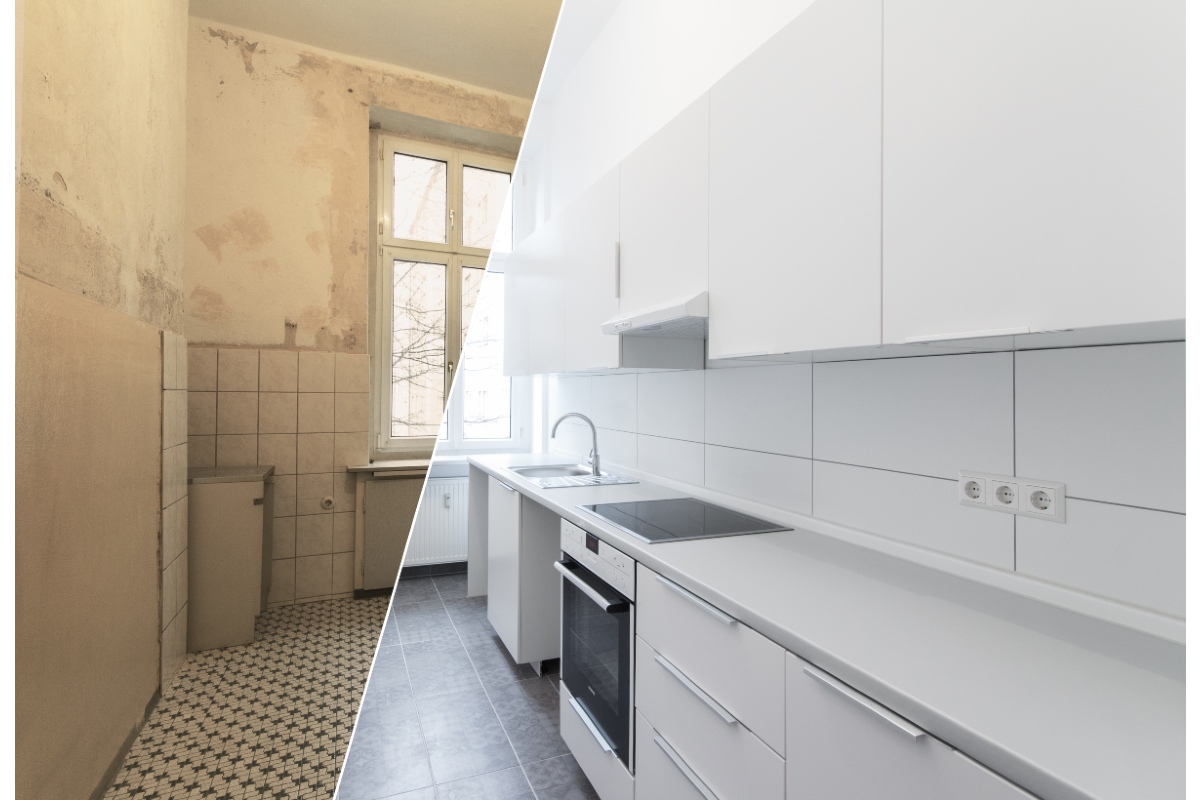
A kitchen makeover is usually faster because it keeps the layout and most units. Replacing kitchen cabinet doors, updating drawer fronts, fitting new worktops, and refreshing tiles and paint can deliver a brand new look in one to two weeks.
A full kitchen renovation takes longer because it involves more steps and more trades. If you are building a brand new kitchen or a completely new kitchen layout, the timeline is longer, but the result can feel like a new lease for the whole room.
A Realistic UK Timeline Example
A typical mid-range kitchen remodel might look like this:
-
Week 1: Strip-out, first fix, plastering prep
-
Week 2: Paint, flooring, cabinets and units
-
Week 3: Worktops, second fix, appliances, tiles
-
Week 4: Doors and drawers aligned, snagging, finishing touches
Smaller projects compress this, while layout changes can extend it. The aim is to plan for the whole process so expectations match reality.
Final Thoughts
A kitchen renovation timeline depends on what you are changing, how quickly products arrive, and whether you discover issues behind the old kitchen. For many UK homes, the on-site work is two to four weeks, but full planning and ordering can extend the overall “start to finish” time.
Whether you are planning a kitchen upgrade, a kitchen makeover, or a full kitchen renovation, the best approach is clear decisions, realistic lead times, and a little buffer. That is how you create a dream kitchen that feels stylish, works properly, and makes daily life easier without unnecessary stress.
The Conversion Guy – Professional Kitchen Installations across Derbyshire & Staffordshire
Are you ready to take the plunge and transform your kitchen into a stunning, functional space? Well, look no further! The Conversion Guy is committed to providing you with a kitchen renovation experience that is unparalleled.
With over 40 years of experience in kitchen renovations, we are looking forward to helping you create the most amazing kitchen of your dreams! We love talking kitchens, so be sure to get in touch today or book a free consultation and start your journey towards the perfect space for cooking, entertaining, and living.
From the Learning Centre
Explore our resources and learn about pricing, bathroom refits, kitchen kitchen renovations, loft conversions and many other home improvements in our Learning Centre

13 mins read