When embarking on a kitchen renovation or new build, choosing the right kitchen fitter is one of the most crucial decisions you'll make. Whether you’re replacing kitchen worktops, installing new kitchen units, or overhauling your...
If you're looking to add extra living space to your home, you've probably found yourself weighing up the pros and cons of a loft conversion versus a garage conversion. Both options can transform your property and potentially increase its value, but which one is the better investment for your circumstances? The answer isn't always straightforward, as it depends on various factors, including your property type, location, budget, and how you plan to use the newly converted space. In this comprehensive guide, we'll explore everything you need to know about both types of conversion to help you make an informed decision that adds genuine value to your home.

Understanding the Financial Impact of Home Conversions
When considering any home improvement project, the potential return on investment is usually at the forefront of your mind. Both loft conversions and garage conversions can add substantial value to your property, but the actual increase will depend on several variables. Property experts generally agree that a well-executed loft conversion can add between 10% and 20% to your home's value, whilst a garage conversion typically adds around 5% to 10%. However, these figures aren't set in stone and can vary significantly based on your local property market, the quality of the conversion, and whether the additional space addresses a genuine need in your area.
The key to maximising your return lies in creating functional, inviting space that appeals to potential buyers whilst also serving your immediate needs. A poorly planned conversion that feels cramped, dark, or impractical will struggle to add meaningful value, regardless of whether it's in your loft space or garage space. It's worth considering that in some areas, particularly where parking is at a premium, converting your garage might actually detract from your property's appeal to certain buyers who prioritise off-street parking over extra space.
Planning Permission and Building Regulations: What You Need to Know
One of the most important considerations when comparing these two conversion types is whether you'll require planning permission and how building regulations will apply. Many homeowners are pleasantly surprised to learn that both loft conversions and garage conversions often fall under permitted development rights, meaning you can proceed without formal planning permission in many cases. However, there are important exceptions and limitations you need to understand before starting your project.
For a loft conversion to qualify as permitted development, the additional volume must not exceed certain thresholds, and the work must not extend beyond the existing roof slope. If your property is in a conservation area, an area of outstanding natural beauty, or if you live in a listed building, you'll almost certainly need planning permission and possibly listed building consent. The same restrictions apply to garage conversions, with the additional consideration that converting an attached garage is generally more straightforward from a planning perspective than dealing with a detached garage.
Regardless of whether you need planning permission, both types of conversion will absolutely require building regulations approval. Building regulations cover crucial aspects like structural integrity, fire safety, insulation, ventilation, and accessibility. For loft conversions, building regulations are particularly stringent around means of escape, fire safety regulations, and the structural capacity of your existing roof structure to handle the additional load. Garage conversions must meet building regulations for habitable space, including proper insulation standards, damp-proofing of the garage floor, and adequate natural light.
Assessing Your Property's Suitability for a Loft Conversion
Not every home is suitable for a loft conversion, and understanding the limitations of your existing structure will save you considerable time and disappointment. The most critical factor is head height – you'll typically need at least 2.2 metres from the floor to the highest point of the roof to create a comfortable habitable room. If your roof space doesn't meet this requirement, you might need to consider a loft extension that raises the existing roof structure or adds dormer windows to create sufficient headroom.
The roof pitch is another crucial consideration, as steeply pitched roofs generally offer more usable space than those with a shallow pitch. Properties with a flat roof or those built with roof trusses rather than traditional rafters can present additional challenges and costs, as the roof structure may need significant modification. Your loft conversion specialist will need to assess whether the existing roof structure and floor joists can support the conversion, or whether structural reinforcement will be necessary.
Access is often an overlooked aspect of loft conversion planning, yet it's one of the most important. You'll need to create a staircase that complies with building regulations, which requires a certain amount of floor space on the floor below. In some properties, particularly smaller homes, finding suitable space for a compliant staircase can be the deciding factor that makes a loft conversion impractical. The staircase will also need to incorporate fire safety measures, potentially including a protected stair enclosure depending on your property type.
Evaluating Your Garage's Conversion Potential
A garage conversion might seem more straightforward than a loft conversion, but there are still important factors to assess before proceeding. The first consideration is whether your garage is attached to your main house or is a detached garage, as this significantly impacts both the complexity and cost of the project. An attached garage is generally easier and cheaper to convert because it already shares walls with your existing living space and has easier access to utilities like heating, electricity, and plumbing.
The size and layout of your garage space will determine how functional your converted garage can be. A standard single garage of around 3 metres by 6 metres can create a decent-sized room suitable for a home office, utility room, or bedroom, whilst a double garage offers even more possibilities for creating generous, open plan space. However, you'll need to consider how the loss of parking and storage space will impact your daily life and your property's appeal to future buyers, particularly if you live in an area where off-street parking is valuable.
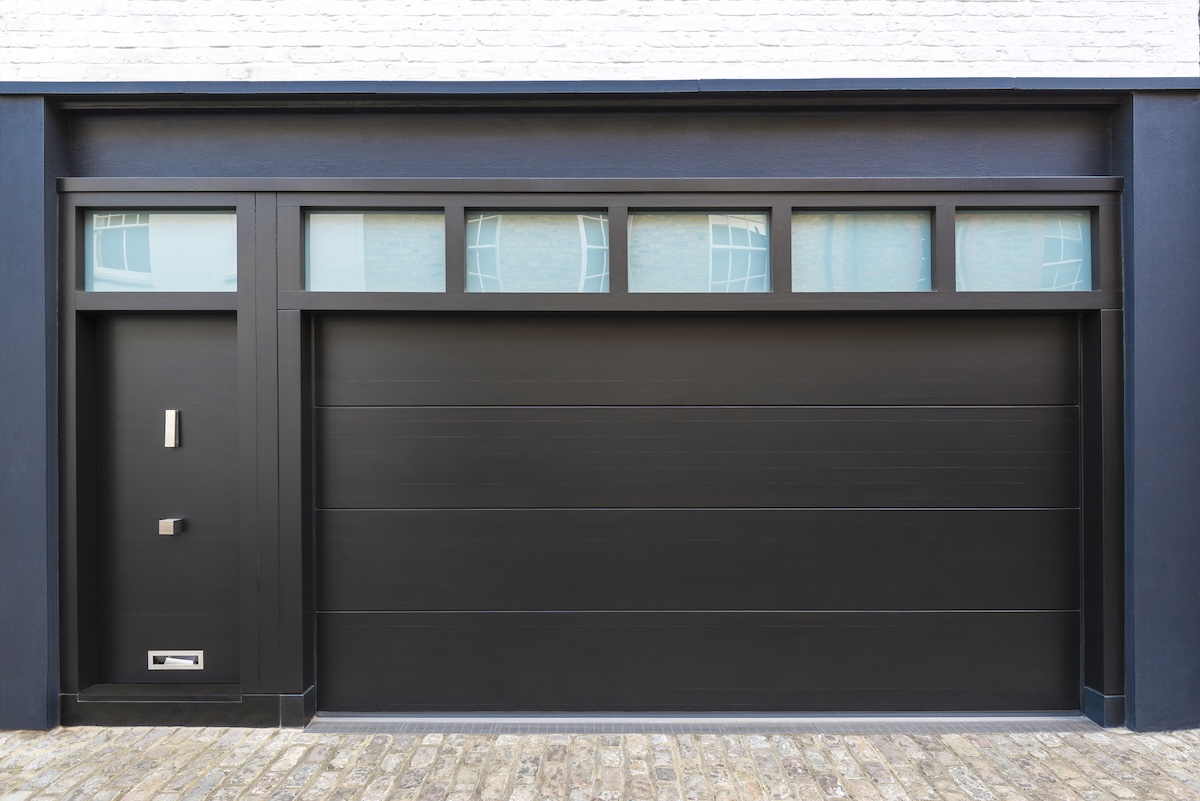
The condition of your existing structure is crucial to understand before committing to a garage conversion. Many garages, particularly older ones, weren't built to the same standards as the main house and may have issues with the garage floor, damp-proofing, or the garage roof. You'll need to ensure the garage floor is properly insulated and has an effective damp-proof membrane, whilst the walls will require garage conversion wall insulation to meet current building regulations for habitable space. The garage doors will need to be removed and replaced with a proper insulated wall that matches your existing doors and windows for a cohesive appearance.
Comparing Costs: Loft Conversion vs Garage Conversion
Understanding the financial commitment required for each option is essential for making an informed decision. Generally speaking, loft conversion costs tend to be higher than garage conversion costs, though there's considerable variation depending on the scope and complexity of your project. A basic loft conversion might start from around £25,000 for a simple room-in-roof design, rising to £50,000 or more for a dormer loft conversion or loft extension with bathroom facilities.
Garage conversions are typically more affordable, with costs ranging from £15,000 to £30,000 for a standard conversion of an attached garage. However, a DIY garage conversion, whilst tempting for those looking to save money, isn't usually recommended unless you have substantial building experience and understand building regulations requirements. The risk of costly mistakes, failed building control inspections, and work that doesn't add value to your property generally outweighs the potential savings.
Several factors can push costs higher for both conversion types. For loft conversions, the existing roof structure may need significant strengthening, you might need to raise the roof pitch or add dormer windows for headroom, and complex staircase installations can add thousands to your budget. Garage conversions can become expensive if you're dealing with a detached garage that requires utility connections from the main house, or if the existing structure needs substantial remedial work before conversion can begin. Both types of conversion will require professional input from a structural engineer to ensure the work complies with building regulations and is structurally sound.
Understanding Building Regulations Requirements for Each Option
Building regulations approval is mandatory for both loft conversions and garage conversions, and understanding what's required will help you appreciate the complexity and cost involved. The building control inspector will need to approve your work at various stages, and cutting corners or attempting to avoid this process can create serious problems when you come to sell your property or if issues arise later.
For your loft conversion project, building regulations cover numerous critical areas. The structural integrity of new floor joists must be verified, roof insulation must meet current thermal efficiency standards (typically requiring either cold roof insulation or warm roof insulation systems), and fire safety regulations are particularly stringent. You'll need to ensure there's an adequate means of escape, which often involves installing fire-rated doors, smoke alarms, and sometimes a protected stair enclosure. Sound insulation requirements must also be met to prevent noise transmission between the new loft conversion and first floor habitable rooms below.
Garage conversions have their own building regulations challenges. The garage floor will need proper insulation and a damp-proof membrane to prevent moisture issues in your newly converted space. Wall and roof insulation must meet current standards, which means adding significant garage conversion wall insulation to walls that were likely built to much lower specifications. You'll need to ensure adequate ventilation and natural light, typically requiring the installation of windows that meet minimum size requirements for habitable rooms. If you're creating a bedroom, you'll also need to consider egress window openings for fire safety.
Space Planning and Design Considerations
How you plan to use your new space should heavily influence your decision between a loft conversion and garage conversion. Loft conversions are particularly well-suited to creating private spaces like bedrooms, home offices, or personal retreats where some separation from the main living areas is desirable. The elevated position naturally creates a sense of separation whilst still being part of the main house, and roof windows can flood the space with natural light whilst maintaining privacy.
Garage conversions, being on the ground floor, offer different advantages. They're ideal for creating accessible living space that doesn't require climbing stairs, making them perfect for elderly relatives, guests, or family members with mobility issues. The ground floor location also makes garage conversions particularly suitable for spaces that need regular access or heavy equipment, such as a utility room, home gym, or music studio. The direct access to the garden through where the garage doors once stood can also be maintained or transformed into patio doors, creating a seamless indoor-outdoor connection.
When designing either conversion, maximising natural light should be a priority, as dark, poorly lit spaces will always feel less inviting regardless of their size. For loft conversions, this might involve adding dormer windows or roof windows strategically positioned to capture sunlight throughout the day. For garage conversions, you'll need to carefully plan window placement, potentially adding windows to side walls where the Party Wall Act doesn't create complications, or creating a large window or door in the front wall where the garage doors were located.
Dealing with Planning Challenges and Restrictions
Even when your conversion falls under permitted development, there are situations where you'll need planning permission or face additional restrictions. If you live in a conservation area, the rules around what you can do without planning permission are more restrictive, and you may need to seek approval even for relatively minor changes. Areas of outstanding natural beauty and national parks have similar restrictions designed to preserve the character of these protected locations.
The Party Wall Act is another consideration if you share walls with neighbours, particularly relevant for loft conversions in semi detached house properties or terraced homes. You'll need to inform your neighbours of your plans and potentially reach a party wall agreement before work can commence. This process can sometimes delay projects, so it's worth addressing early in your planning stage. Garage conversions are less likely to trigger Party Wall Act requirements unless you're dealing with a shared wall in a semi-detached property.
Listed building consent adds another layer of complexity if you live in a listed property. Even internal alterations can require consent, and the restrictions can be substantial. Any work affecting the character or appearance of a listed building will need careful consideration and formal approval. Working with a loft conversion company or conversion specialist experienced in listed buildings is essential in these circumstances, as they'll understand how to navigate the approval process and design solutions that satisfy conservation officers.
The Impact of Conversion Type on Daily Living
Beyond the financial considerations, it's worth thinking carefully about how each type of conversion will affect your daily life. Losing your garage space means losing convenient storage and potentially valuable parking, which can be a significant drawback in areas where street parking is limited or where harsh winters make covered parking particularly valuable. You might find yourself needing to rent storage space elsewhere or making do with less room for tools, sports equipment, and seasonal items.
A loft conversion doesn't typically involve giving up existing usable space in quite the same way, as most loft spaces are only used for minimal storage before conversion. However, the construction process for a loft conversion can be more disruptive to daily life, as workers will need access through your home to reach the roof space, and there's often dust and noise that affects the first floor habitable rooms during the project. The installation of a new staircase will also permanently change the layout of your first floor.
Both types of conversion require careful consideration of how the new room integrates with your existing living space. A bedroom in the loft needs to feel like a natural extension of your home's bedroom areas, with adequate storage and en-suite facilities if budget allows. A garage conversion that becomes a home office or guest room needs good acoustic separation from the rest of the house, and if it's going to serve as a bedroom, it must have adequate heating, ventilation, and comply with all building regulations for habitable space.
Making Your Decision: Which Conversion Suits Your Needs?
Ultimately, the choice between a loft conversion and garage conversion comes down to your specific circumstances, priorities, and property characteristics. If you have good head height in your roof space, don't need the garage for parking or storage, and want to add a bedroom with potential for an en-suite, a loft conversion often represents the better investment. The additional privacy, better value addition, and preservation of your ground floor layout make loft conversions particularly appealing for growing families or those looking to maximise property value.
However, if your loft lacks sufficient headroom, you need accessible ground floor space, or you can't afford the typically higher loft conversion costs, a garage conversion might be the better choice. The lower costs, simpler construction process, and ground floor location make garage conversions ideal for creating guest accommodation, home offices, or utility rooms. If you rarely use your garage for parking and street parking isn't problematic in your area, losing the garage space may be a sacrifice worth making for usable, climate-controlled living space.
Consider also the long-term implications for your property's appeal to future buyers. In some markets, a loft conversion that adds a bedroom will significantly boost your property's value and marketability, particularly if it takes you from a two-bedroom to a three-bedroom property or adds a master suite with en-suite facilities. In other areas, particularly those with parking pressures, a converted garage might actually make your property less attractive to buyers who prioritise parking over extra space.
Working with Professionals: Why Expert Input Matters
Whether you choose a loft conversion or garage conversion, working with experienced professionals is crucial for a successful project that adds genuine value to your home. A structural engineer will need to assess your existing structure, calculate load bearing capacity, and design any necessary reinforcement to ensure your conversion is safe and compliant. Attempting to bypass this professional input to save money is false economy and can create serious structural and legal problems.
Choosing the right loft conversion specialist or garage conversion company makes an enormous difference to the outcome of your project. Look for contractors with a proven track record, proper insurance, and ideally membership of relevant trade associations. They should be willing to handle all aspects of building regulations approval, liaising with the building control inspector at appropriate stages, and ensuring the work meets all necessary standards. Good contractors will also have relationships with structural engineers, architects, and other professionals who might need to contribute to your project.
Don't be tempted by the apparent savings of a DIY garage conversion or attempting a loft conversion without professional help unless you have substantial building experience and a thorough understanding of building regulations. The complexity of creating compliant habitable space, dealing with insulation requirements, ensuring adequate fire safety, and managing structural alterations is considerable. The money you might save in labour costs can easily be lost through mistakes, failed inspections, and remedial work, not to mention the risk to your safety and that of your family.
Maximising the Value of Your Chosen Conversion
Once you've decided which type of conversion suits your needs, there are several strategies to maximise the value it adds to your property. Quality finishes throughout the new space are essential – cutting corners on fixtures, flooring, or decoration will be immediately apparent and can undermine the perceived value of the entire conversion. The newly converted space should feel like a natural, integrated part of your home rather than an obvious afterthought.
Ensuring the new room has adequate natural light cannot be overstated. Dark, cramped spaces add minimal value regardless of their size or location. For loft conversions, this might mean investing in quality roof windows or dormer windows that flood the space with light. For garage conversions, removing the garage doors and replacing them with a wall featuring a large window or patio doors can transform what might otherwise feel like a dark, enclosed box into an inviting space that connects with your garden.
Think carefully about how the extra living space serves your home's overall layout. Creating disjointed spaces that don't flow naturally from the existing structure will always feel awkward and add less value than well-integrated rooms. Whether it's a new loft conversion that serves as a peaceful retreat from the busy ground floor or a converted garage that becomes the heart of family activity, the space should enhance how your home functions rather than feeling like an isolated addition.
Conclusion: Making the Right Choice for Your Home
Both loft conversions and garage conversions offer valuable opportunities to add extra space to your home and potentially increase its value. The right choice depends on your property's characteristics, your budget, how you plan to use the space, and your local property market. A loft conversion generally adds more value and creates private, elevated living space ideal for bedrooms and retreats, whilst garage conversions offer more affordable ground floor accommodation that's accessible and versatile.
Take time to properly assess your property's suitability for each option, understand the planning permission and building regulations requirements, and get professional advice before committing. Whether you proceed with a loft conversion project or decide that converting your garage makes more sense, investing in quality work that creates genuinely useful, inviting space will ensure your conversion adds meaningful value to your home and enhances your daily living for years to come.

The Conversion Guy - A Trusted Garage Conversion Specialist in Derbyshire & Staffordshire
Are you ready to take the plunge and transform your garage into a warm, welcoming living space? Well, look no further! The Conversion Guy is committed to providing you with a garage conversion experience that is unparalleled.
With over 40 years of experience in garage conversions, we are looking forward to helping you turn your garage into a functional and beautiful space! We love talking conversions, so be sure to get in touch today or book a free consultation and start your journey towards a more spacious, versatile home.
From the Learning Centre
Explore our resources and learn about pricing, bathroom refits, kitchen kitchen renovations, loft conversions and many other home improvements in our Learning Centre