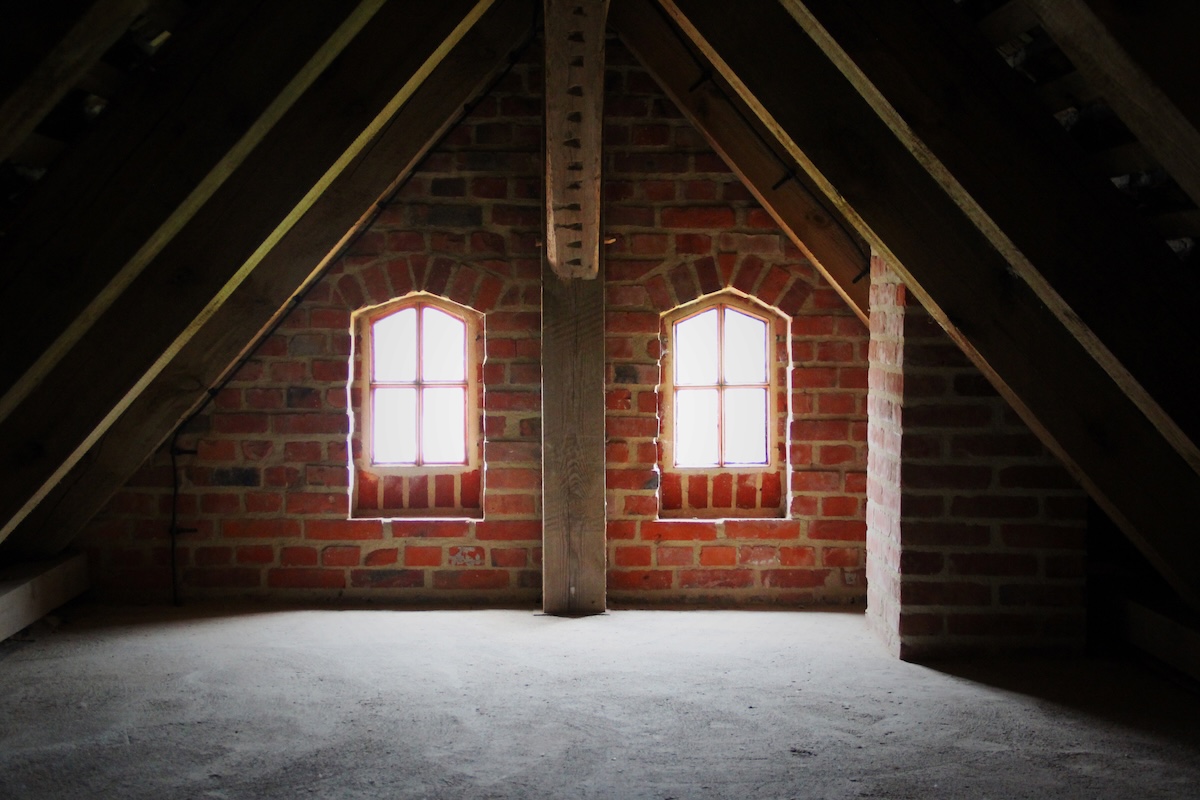




Taking on a home renovation is exciting, but it can also feel overwhelming. Whether you are planning a loft conversion, exploring garage conversions, considering a basement conversion, a house extension, or even a barn...
Taking on a home renovation is exciting, but it can also feel overwhelming. Whether you are planning a loft conversion, exploring garage conversions, considering a basement conversion, a house extension, or even a barn conversion, choosing the right contractor is one of the most important decisions you will make.
A successful conversion project can create more space, increase property value, and improve day-to-day living space. The wrong contractor can lead to delays, spiralling costs, and stress. Asking the right questions early in the process will help you protect your budget and your house. Below are the key questions every homeowner should ask before hiring a contractor for any type of conversion.
Why Asking the Right Questions Matters
Every renovation project involves structural changes, planning considerations, and financial investment. Whether you are converting a loft space into an additional bedroom or undertaking garage conversions to add space on the ground floor, the building process must be carefully managed.
Contractors who specialise in conversion work understand the complexity of integrating new layouts with the existing space. By asking detailed questions about planning permission, building regulations, and structural work, you can identify experienced professionals and avoid costly mistakes. Home renovation projects, such as house extensions, can create extra living space, providing additional living space without the need to move to a new property.
1. What Type of Conversion Projects Do You Specialise In?
Not all builders focus on the same type of work. Some specialise in house extensions, while others concentrate on loft conversions or garage conversions. If you are planning a barn conversion or converting part of an old house, you need someone familiar with those specific challenges.
A loft conversion requires expertise in roof structure, head height, and reinforcing floor height. Garage conversions demand knowledge of insulation upgrades and compliance with building regulations. Asking about previous conversion project experience ensures the contractor understands the type of property you have. Conversions can also create practical spaces such as a utility room, depending on the homeowner's needs.
2. Will My Project Require Planning Permission?
One of the first practical questions relates to planning permission. Many house extensions require planning approval, while certain home conversion projects may fall under permitted development.
However, even loft conversion schemes can require planning consent if the roof profile changes significantly. Garage conversions sometimes require planning permission if the external appearance is altered or if the property is in a conservation area.
A reliable contractor should explain whether your project will require planning permission, outline the planning process, and clarify how planning applications are handled. It is crucial to check with the local council for planning permission or building regulations approval for structural changes.
3. Does Permitted Development Apply to My Property?
Permitted development rights allow some building work to proceed without full planning approval. However, these development rights depend on your property type and location.
If you live in a terraced house or semi-detached house, permitted development limits may be stricter. Properties in areas of outstanding natural beauty or within a conservation area often have additional planning restrictions. Limited external space can also restrict the types of extensions possible under permitted development, making alternatives like loft conversions more attractive.
Ask your contractor to explain how permitted development applies to your house and whether your conversion project qualifies under these rules.
4. How Do You Handle Building Regulations?
Even if planning permission is not required, building regulations nearly always apply. These regulations ensure that structural safety, fire protection, insulation, and ventilation standards are met. A building control officer will visit the site at various stages to ensure compliance with building regulations and will issue a completion certificate after the final inspection.
A loft conversion must meet minimum head height and structural load requirements. Garage conversions must comply with thermal performance standards. House extensions require inspections at key stages, including the final inspection before sign-off. It is necessary to obtain building regulations approval before starting work. Fire safety is a key aspect of building regulations, including requirements for escape routes and ventilation.
-
Ask how building control inspections are scheduled and who is responsible for coordinating with the local authority.
It is important to apply for planning permission and building regulation approvals early in the renovation process, as it can take several months.
5. Will a Structural Engineer Be Involved?
Structural work is common in many conversion projects. Removing load-bearing walls, reinforcing loft space, or installing a steel frame requires professional calculations.
A structural engineer will assess roof loads, floor height capacity, and wall stability. The structural engineer will also assess the existing foundations to determine if they can support new construction or if reinforcement is needed. This is particularly important for loft conversion projects and large house extensions.
-
If your contractor does not mention structural engineer involvement when appropriate, this is a red flag.
Hiring a structural engineer is necessary when removing walls or altering roof structures to ensure safety and compliance.
6. How Do You Assess Loft Space and Roof Suitability?
If you are considering a loft conversion, it is important to understand whether your loft space is suitable.
Ask how the contractor measures head height and evaluates the existing roof slope. The contractor should also assess whether the loft has a pitched roof, as this will affect the type of conversion possible and may determine whether options like dormer, gabled dormer, mansard, or hip to gable conversions are suitable. Confirm whether adjustments to the roof structure will be required and how this affects loft conversion cost.
Proper assessment at the beginning of the process helps determine whether there is enough space to create a practical room. After measuring head height, remember that loft conversions generally require a head height of at least 2.2 meters for a successful conversion.
7. What Are the Full Costs Involved?
Understanding the full cost breakdown is essential for any renovation project. Request a detailed budget covering materials, labour, structural engineer fees, and planning applications.
Loft conversion cost can vary significantly depending on roof alterations and structural requirements. House extensions often have a higher per-square-metre building cost due to foundations and external walls. Garage conversions, on the other hand, can help save money because they typically do not require building new walls or foundations. Garage conversion costs are generally lower than those associated with house extensions because new foundations and walls are not needed.
Clarify the costs involved and ensure your budget includes a healthy contingency for unexpected issues.
8. Have You Worked on Similar Property Types?
Different property types present different challenges. A terraced house may require Party Wall Act compliance. A semi-detached property may involve shared structural elements.
If you live in an old house with period features, preserving character during renovation is crucial. Barn conversion projects often require sensitive handling of heritage elements.
-
Ask for examples of similar conversion work to ensure the contractor understands your property type.
9. How Will the Party Wall Act Be Managed?
The Party Wall Act applies when building work affects shared walls, which is common in semi-detached houses and terraced houses.
Both house extensions and loft conversion work may trigger Party Wall Act obligations. Notices must be served properly to avoid legal disputes.
-
Ensure your contractor explains how this process will be managed.
10. What is the step-by-step guide for the Project?
A professional contractor should provide a clear step-by-step guide outlining the entire building process.
This should include design consultation, planning applications if required, structural work, insulation, internal finishes, and final decoration. Understanding the timeline allows you to plan around disruption and maintain control of the project.
-
A well-defined process demonstrates organisation and experience.
11. How Will You Maximise Natural Light and Living Space?
Creating more space is not just about square metre measurements. It is about creating a comfortable living space that feels bright and functional.
Ask how natural light will be incorporated into the design. In a loft conversion, roof windows can dramatically improve comfort. In garage conversions or house extensions, glazed doors and roof lights can transform a room.
-
Good design should create a practical space that enhances daily life.
12. Are There Planning Restrictions in My Local Area?
Planning restrictions vary between councils. If your property is in a conservation area or area of outstanding natural beauty, stricter planning consent may apply.
Barn conversion and large house extensions often require detailed planning approval. Listed building status adds further complexity. When planning extensions or conversions, it is important to design them so they complement or connect to the main house, especially when heritage or characterful features are present. Additionally, ensure that any new porch or extension is seamlessly integrated with the existing home by matching materials and architectural style for a cohesive look.
Discuss how local planning rules affect your project and confirm that the contractor has experience navigating the local authority system.

13. How Will You Protect My Existing Property?
Conversion work can be disruptive. Ask how your house will be protected during building work.
Will skirting boards and floors be covered? Will dust control measures be implemented? If relocating a water tank during a loft conversion, how will services be maintained?
-
Clear answers reflect professionalism and care for your property.
14. What Happens If the Budget Changes?
Unexpected issues can increase cost. Structural discoveries in an old house or unforeseen roof damage can affect the budget.
Ask how variations are approved and documented. Ensure any additional cost is discussed before work proceeds. Transparent communication protects your finances.
15. Can You Show Completed Projects?
Reputable contractors should provide evidence of completed conversion projects. This may include garage conversions, loft conversion transformations, house extensions, or barn conversion examples. For instance, a garage conversion can transform an underused garage into a new room, creating usable space that serves as a functional living area for your household.
Seeing a finished living space allows you to judge quality and attention to detail. It also provides inspiration for how you might create additional space in your own home.
16. How Will This Add Value to My Property?
Finally, consider long-term value. Whether you are creating an additional bedroom, en suite, or expanding ground-floor living space, the goal is often to improve resale potential. Adding an extra bedroom or more living space can significantly increase your home's value. For example, an additional bedroom and bathroom from a loft conversion can add around 20% to the value of a typical three-bedroom house. Improving your home's energy efficiency through renovations can also enhance its long-term value. Converting an old building into a new house can combine modern updates with traditional features, further boosting property value.
Ask how the conversion project is likely to impact property value compared with the cost. For many homeowners, the aim is to create a forever home while maintaining strong investment potential.
-
Understanding the financial implications helps you make confident decisions.
Checking Credentials and Certifications
Before you commit to any conversion project, it’s vital to verify the credentials and certifications of your chosen contractor. A reputable builder should be able to demonstrate their qualifications, experience, and compliance with industry standards. Look for membership in professional bodies such as the Federation of Master Builders, which signals a commitment to quality and adherence to building regulations.
Ask for evidence of previous successful projects, especially those similar to your planned loft conversion or house extension. This is particularly important given the significant loft conversion cost or conversion cost involved—working with a certified professional helps ensure your investment is protected and the work is completed to a high standard. Checking credentials also reduces the risk of hiring unqualified builders who may cut corners or fail to meet essential safety and quality benchmarks.
Health and Safety
Health and safety should never be overlooked when planning a home conversion project. A responsible contractor will have a comprehensive health and safety policy that includes detailed risk assessments, method statements, and regular site inspections. This not only safeguards the workers but also protects your family and property throughout the build. For example, during a loft conversion, ensuring the existing roof slope is secure is crucial to prevent accidents and maintain the integrity of your living space. A well-managed conversion project will also consider your home’s energy efficiency, helping you save on energy bills while creating a comfortable environment. Always ask your contractor how they plan to maintain a safe site and what measures they have in place to address potential hazards during the build.
Insurance and Liability
Insurance and liability are critical considerations for any home conversion project. Before work begins, confirm that your contractor carries comprehensive insurance, including public liability and employer’s liability coverage. This protects you in the event of accidents or injuries on site and ensures that any damage to your property is covered. For larger projects, such as a garage conversion or creating extra living space, it’s also wise to check for professional indemnity insurance, which covers design or construction errors. Understanding the terms of your contract regarding liability for defects or damages is essential—don’t hesitate to ask for clarification. With the right insurance in place, you can move forward with your conversion project knowing your investment and your home are protected.
Warranty and Guarantee
A solid warranty and guarantee are essential for peace of mind when undertaking a conversion project. Make sure your builder offers a comprehensive warranty that covers both materials and workmanship for a reasonable period—typically between two and five years, depending on the scope of the work. A reputable builder will also provide a guarantee, demonstrating their confidence in the quality of their work. This is especially important for significant investments like a loft conversion, where you want assurance that your new living space will stand the test of time. Ask for details about what is covered, how to make a claim, and what happens if issues arise after completion. With a robust warranty and guarantee in place, you can enjoy your new space—whether it’s a bright attic bedroom or a spacious open-plan area—knowing you’re protected against unexpected problems.

The Conversion Guy - A Trusted Home Renovations Specialist in Derbyshire & Staffordshire
Are you ready to take the plunge and transform your home? Well, look no further! The Conversion Guy is committed to providing you with a home renovation experience that is unparalleled.
With over 40 years of experience in home renovations, we are looking forward to helping you turn your home into a functional and beautiful space! We love talking conversions, so be sure to get in touch today or book a free consultation and start your journey towards a more spacious, versatile home.
From the Learning Centre
Explore our resources and learn about pricing, bathroom refits, kitchen kitchen renovations, loft conversions and many other home improvements in our Learning Centre