

Planning a bathroom refurbishment is an exciting opportunity to upgrade your home with modern features, thoughtful design, and improved functionality. Whether you’re simply replacing your old bathroom suite or planning a complete...
If you are renovating a house, the biggest money saver is doing the renovation in the correct order. A home renovation often starts with excitement, then turns into a long project once hidden problems appear, especially in an old house or fixer-upper. Many homeowners overspend because they jump into finishes, then have to undo them for plumbing work, electrics, or structural work they did not plan early enough.
This step-by-step guide is for UK homeowners planning a house renovation, whether it is one room or the entire house. It covers the best order for a house renovation project, how to start planning, and how to make informed decisions so you can save money without cutting corners. It also includes practical notes on UK house renovation costs, typical renovation costs, and where costs usually creep in.
Why the order matters in a home renovation
The order matters because most renovation work is connected. If you install new flooring too early, you may have to lift it later for plumbing work or wiring changes. If you decorate before the messy stages are finished, you will likely pay twice, once to paint and again to repair.
The right order supports stronger project management and keeps labour costs down because trades can work efficiently. This is one of the simplest ways to protect your budget and keep the project moving.
Home renovation or new extension: does the order change?
A home renovation focuses on improving what already exists, while house extensions and a new extension add space and often add complexity. Extensions can involve more planning permission, more structural decisions, and more external building work that affects timing and cost. Even so, the fundamentals are the same: plan first, sort structure and services, then move to finishes.
If you are weighing extension vs renovation, consider whether you need more space or better use of existing space. A loft conversion or garage conversion can sometimes add space without the same footprint impact as taking from the garden.
Step 1: Set a clear idea for the house renovation
Start with a clear idea of what you want the renovation to achieve. Is the goal comfort, layout, value, or improved energy efficiency? Your renovation plans should match how you live, not just what looks good online.
Decide whether you are renovating one area or the entire house, because that affects timelines and how you phase the project. A defined scope is how you prevent a home improvement project turning into an endless spending spiral.
Step 2: Get a structural survey and a full structural survey if needed
Before you spend, get a structural survey to highlight risk areas, especially in older properties. For a fixer upper, or where you suspect bigger issues, a full structural survey can be worth it. This is also where a chartered surveyors estimate can help you plan realistically, because it frames what is urgent and what is optional.
Many homeowners skip this step, then pay for it later through rushed fixes. Surveys help you make informed decisions that protect your budget.
Step 3: Sense-check your budget against properties nearby
Before committing to big upgrades, look at properties nearby that have already been renovated. This helps you avoid over-improving for the area, which can be a common budget trap. It also supports smarter renovation plans because you can see what finishes are typical for local buyers.
This step is simple, but it influences what you can afford and what will actually be worth paying for.
Step 4: Understand UK house renovation costs and typical house renovation costs
UK house renovation costs vary depending on condition, finish level, access, and location. Typical house renovation costs can rise fast once you uncover damp, outdated services, or structural problems. Costs also vary depending on region, and the south east often has higher labour demand and rates.
When building your budget, include the full costs involved, not just builder quotes. Skips, surveys, protection materials, specialist trades, and temporary living arrangements all add up.
Step 5: Planning permission, the planning permission process, and the local council
Check planning permission early, especially if you are changing the exterior, adding extensions, or altering roof space. The planning permission process can affect design and timeline, so it should be part of start planning, not a late stage surprise. Your local council can clarify restrictions, especially in conservation areas or where previous work may be non-standard.
Even when planning permission is not needed, building regulations still apply. Ignoring this can lead to delays and extra cost.
Step 6: Party Wall Act checks for a terraced house
If you share walls, the Party Wall Act may apply, particularly in a terraced house. It can be relevant for house extensions, loft conversion work, and structural changes near boundaries. Party wall steps can add time and sometimes legal costs, so include them in planning.
Handled early, the Party Wall Act becomes a straightforward process. Left late, it can stall the project at the worst possible time.
Step 7: Decide your project management approach
Project management is what keeps a renovation project from drifting. Decide who will coordinate trades, order materials, and manage the timeline. When this is unclear, labour costs rise because work stops and restarts.
If you are living in the house, plan around everyday life. A phased plan helps you keep at least one bathroom usable and reduces stress-driven spending.
Step 8: Strip out, prep, and protect period features
Strip out what must go, but protect what you are keeping. If your house has period features, cover and protect them before heavy work begins. Damage at this stage can lead to costly repairs and delays.
Prep is also where hidden issues often appear. When they do, update your plan and budget rather than pushing forward blindly.
Step 9: Structural work and stud walls come first
Do structural work before cosmetic upgrades. This can include removing stud walls, adding steel, strengthening floors, or addressing movement. Structural work is messy, and doing it first protects everything you install later.
If you suspect structural issues, prioritise them. Ignoring structure is one of the most expensive mistakes in renovation.
Step 10: Make the house weather-tight, including a new roof
If the house is not sealed, internal work is at risk. A new roof or roof repairs should be handled early if required, along with gutters and flashings. Water ingress can ruin plaster, wiring, insulation, and flooring, which pushes costs involved far higher.
Weather-tight first makes the rest of the project more predictable. That predictability protects your budget.
Step 11: First fix electrics and plumbing work
First fix is when the hidden systems go in: cable routes, pipework routes, ventilation, and preparation for heating. Plumbing work needs to be mapped carefully, especially when moving bathrooms or planning a kitchen. This stage is not glamorous, but it prevents expensive rework.
If you rush the first fix, you pay for it later. A calm first fix stage is one of the best ways to save money.
Step 12: Gas supply, new gas supply routes, and central heating planning
Plan central heating alongside the first fix. If you are adding bathrooms, changing layouts, or increasing demand, you may need a new boiler or a system upgrade. Check the gas supply as well, as some projects require a new gas supply route.
These decisions affect cost, timing, and comfort. Make them early so they integrate cleanly with the renovation work.
Step 13: Energy efficiency upgrades, replacing windows, and double glazing
Energy upgrades are most cost-effective when the house is already opened up. Improving a home's energy efficiency can include insulation, ventilation improvements, and better controls. This can reduce running bills and improve comfort straight away.
If you plan on replacing windows, schedule it before decorating. Installing new windows and double glazing can cut drafts, reduce noise, and support energy performance without changing the footprint.
Step 14: Loft conversion order and loft conversion cost planning
A loft conversion sits naturally within the structural and first fix stages because it needs structure, insulation, and service routing. Plan your loft conversion early, especially if stairs and layout changes affect the floors below. The loft conversion cost should be included in your budget from the start, because it can be one of the biggest cost drivers.
Loft work done in the correct order helps avoid duplication. It also helps the converted space feel integrated into the house, not like an afterthought.
Step 15: Garage conversions and when to do them
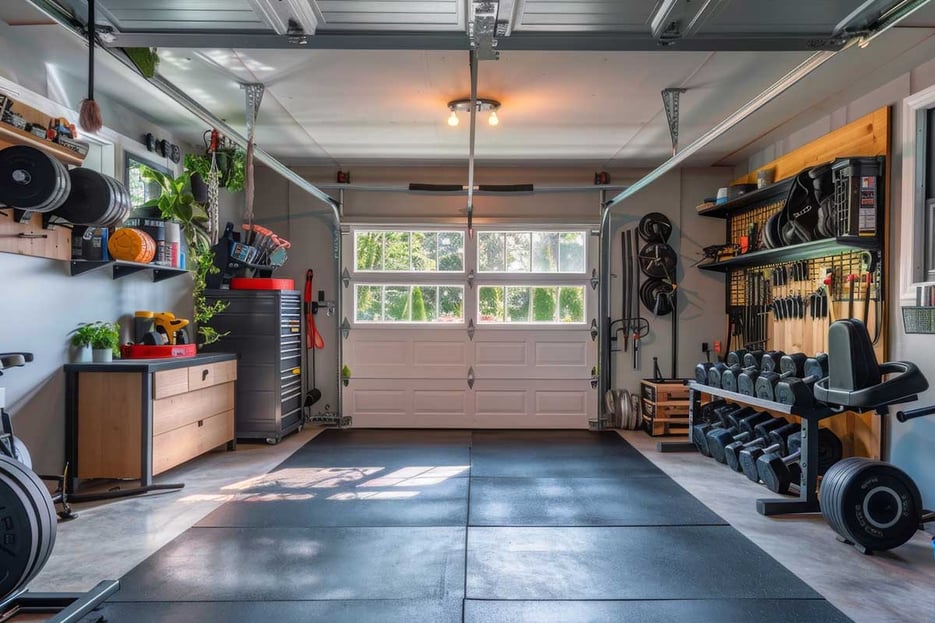
Garage conversions can add useful space without a full extension, but they still need insulation, ventilation, and proper integration with services. They usually fit best after the main structural approach is confirmed, but before final finishes. That way you can match floors, heating, and electrics properly.
A well planned garage conversion can feel like a natural part of the home. A rushed one often looks and feels separate.
Step 16: Plastering, second fix, and a usable house again
Once first fix is complete, plastering closes the walls and brings the house back into shape. Then comes second fix electrics and plumbing, which includes fitting sockets, switches, lighting, and connecting fixtures. This is where many projects start to feel exciting again, but costs can creep through small upgrades.
Stay aligned with your renovation plans. Consistency is one of the easiest ways to protect your budget.

Step 17: Bathroom renovation, new bathroom fit-out, and waterproofing
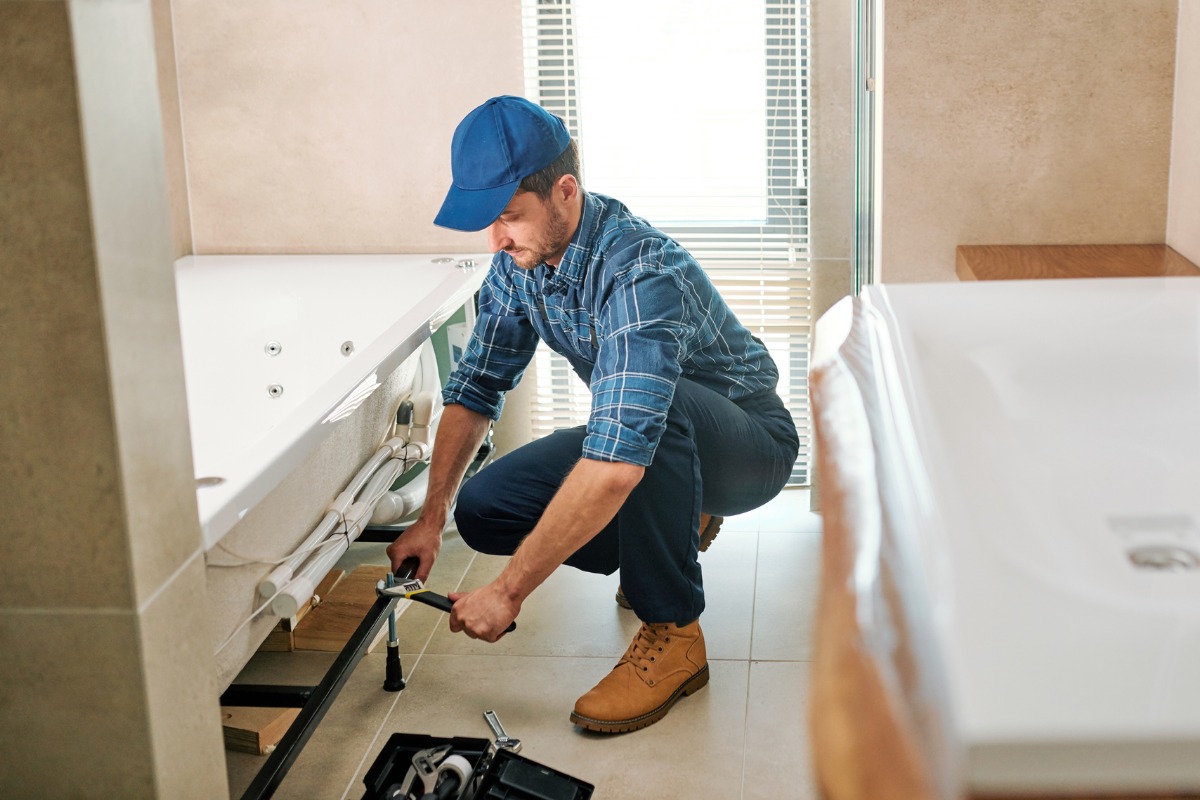
A bathroom renovation needs careful sequencing: waterproofing, ventilation, tiling, plumbing connections, and testing. If you are fitting a new bathroom, lock the layout early because changes can rapidly increase costs involved. If you live in the house, keep at least one bathroom functional to protect everyday life and reduce rushed spending.
Bathrooms often feel “small” until the invoice arrives. Planning properly here helps you save money.
Step 18: Kitchen renovation project, new kitchen, and kitchen renovations
A kitchen renovation project usually comes after plastering and second fix preparation, because kitchens rely on accurate measurements and finished walls. If you are installing a new kitchen, make sure plumbing work, electrics, and any gas supply requirements are confirmed first. For kitchen renovations, overspending often comes from late upgrades, so decide your finish level early.
A new kitchen can add value and improve daily living. It only stays within budget when decisions are made before installation week.
Step 19: New flooring, decorating, home improvement, and finishing touches
You can now install new flooring and finish the decorating, as the heavy, messy work is complete. Then come the finishing touches, like handles, sealants, mirrors, final paint corrections, and tidy details. These small items can push the budget over the edge if you are not tracking costs.
This is also where your home improvement choices become visible. Keep your decisions consistent so the house feels cohesive, not pieced together.
Step 20: Self-build choices, local tradespeople, and top tips
A self-build approach can save money for some tasks, especially painting, prep, and simple jobs, but only if it does not delay trades. Good local tradespeople are worth planning around, because quality work reduces repair work and saves money long term.
Top tips that help most homeowners:
-
Start planning early and follow the correct order.
-
Get a structural survey, and a full structural survey where needed.
-
Budget for UK house renovation costs, not best-case guesses.
-
Lock bathroom renovation and kitchen renovation project decisions early.
-
Track budget weekly so small overspends do not grow.

Conclusion: the best order protects your budget and your dream home
The best order to renovate a house is simple in principle: plan, survey, fix structure and services, then move to finishes. When you follow this step-by-step guide, you reduce rework, control labour costs, and keep costs involved predictable. That is how you save money without compromising quality.
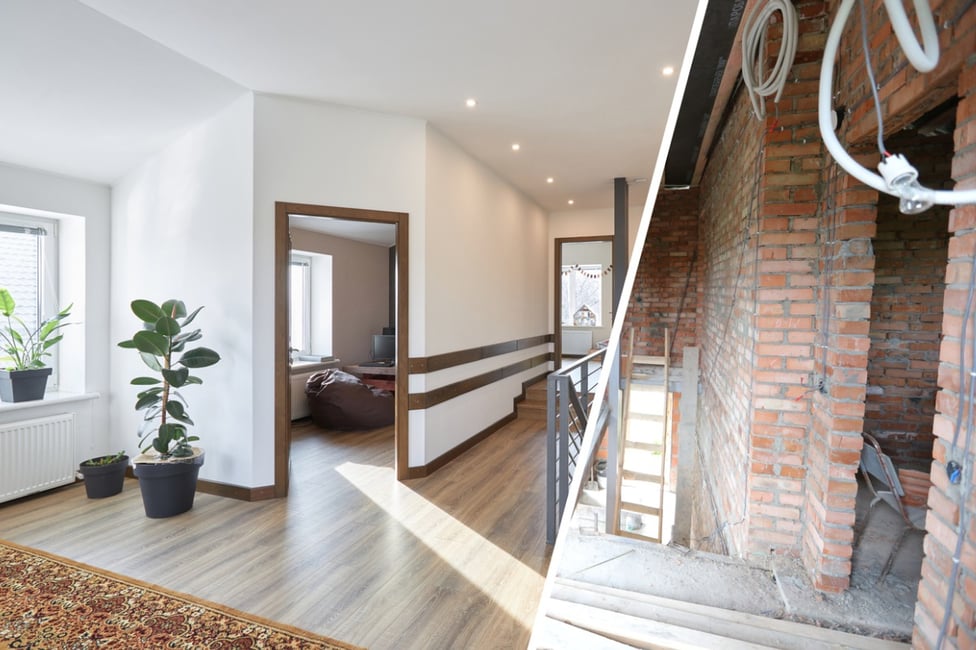
A well-planned home renovation, whether it is a full house renovation or a staged house renovation project, can turn a tired house into a dream home. The secret is not rushing; it is doing the renovation in the correct order and making informed decisions at the right time.
The Conversion Guy – Expert Loft Conversions in Derbyshire & Staffordshire
Are you ready to take the plunge and turn your unused home into a beautiful, practical space? Well, look no further! The Conversion Guy is committed to delivering a home renovation experience that is second to none.
With over 40 years of experience in renovations, we are looking forward to helping you transform your unused space into something truly special! We love talking renovations, so be sure to get in touch today or book a free consultation and take the first step towards unlocking your home’s full potential.
From the Learning Centre
Explore our resources and learn about pricing, bathroom refits, kitchen kitchen renovations, loft conversions and many other home improvements in our Learning Centre