What Is the Smallest Size for an Ensuite Bathroom?
Adding an ensuite bathroom is one of the most rewarding home improvements you can make, especially for homeowners, renovators, and anyone planning to maximize space or increase...
If you are working with a small ensuite and trying to create a calm, functional space, it can be hard to choose between a wet room and a classic ensuite bathroom layout. Wet rooms look modern, feel open, and can be brilliant for access, especially when you want step-free showering. A more traditional en suite bathroom can feel cosier, easier to keep dry, and more predictable on a busy day when you just need to get in, get out, and get on with life.
Both options can work in the UK, but the “best” choice depends on your available space, where the room sits next to the bedroom, and what you want from your private bathroom. This guide breaks down the real pros and cons, plus a few ensuite bathroom ideas that help small spaces feel complete, not compromised. Along the way, you will see where careful planning matters most, what to keep an eye on during install, and how to take stock of the details that affect comfort long after the tiles are dry.
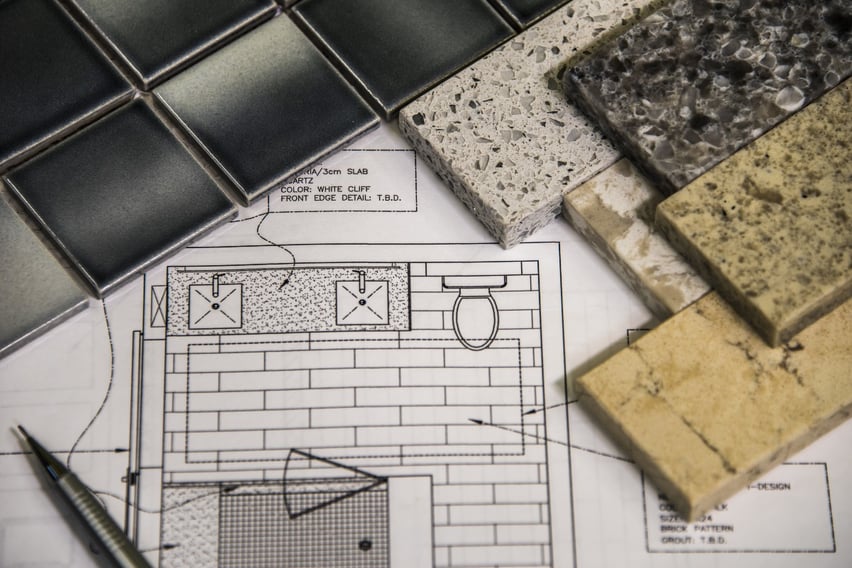
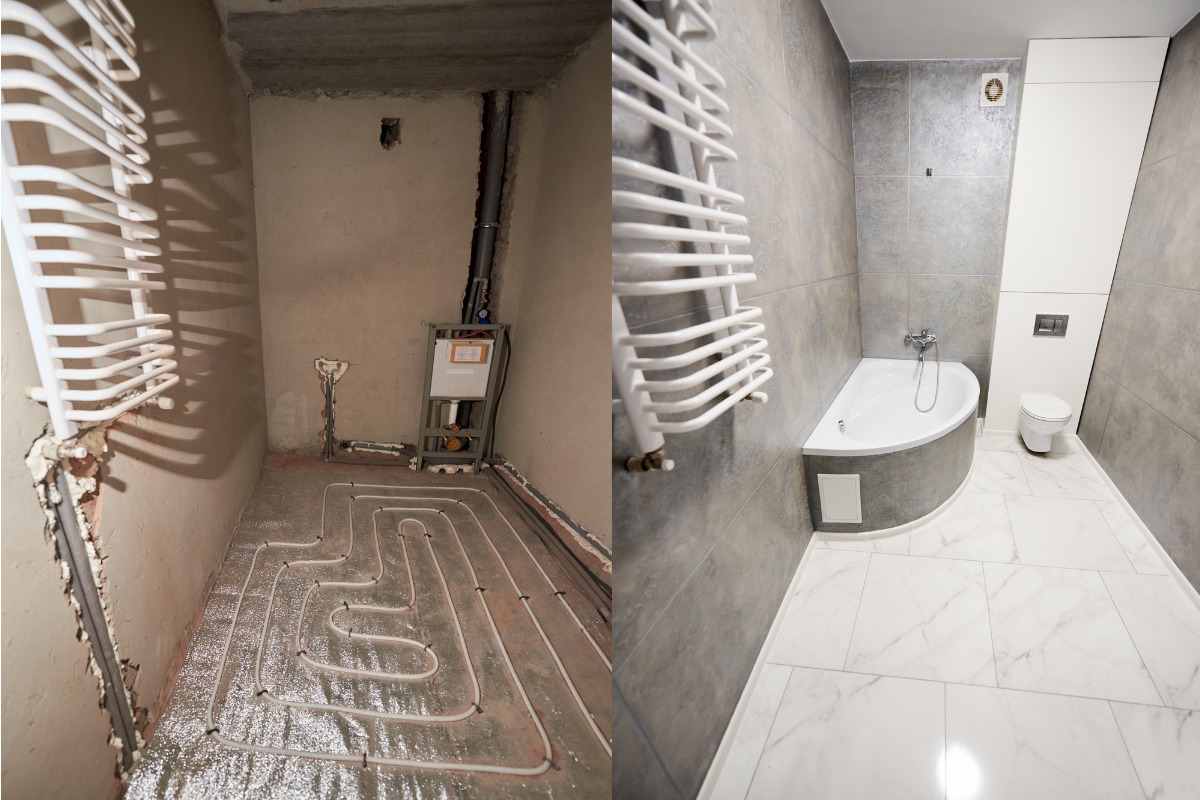
A wet room is a bathroom designed so the whole floor area is waterproofed, gently sloped, and able to deal with water. Instead of a raised tray and a framed shower enclosure, you often have an open shower area with a screen and a drain. The room becomes one waterproof zone, so the walls and floors must be prepared properly for daily use.
An ensuite bathroom is a private bathroom directly connected to a bedroom, often the master bedroom, creating a separate space for washing and getting ready. It might be a compact shower room with a shower cubicle, or it may include a bath if you have the space. In everyday conversation, people call both setups “ensuite”, but the build method and moisture behaviour are very different.
In a larger bathroom, you can usually recover from a slightly awkward layout. In a small bathroom or small ensuite, every centimetre of floor space matters, and mistakes are felt every morning and every night. That is why planning the flow, door clearance, and fixture placement is more important than chasing a look.
Small spaces also dry more slowly, particularly if the room is internal or naturally dark. If you do not plan ventilation and drying properly, the bathroom can feel damp and uncomfortable, and the bedroom next door can feel it too. Take stock early of what the room needs to feel practical, not just pretty.
A wet room can feel larger because there is no bulky tray edge breaking up the floors. However, you still need enough space to stand at the basin, move past the toilet, and step into the shower safely. The room may look more open, but the usable space is still limited by the fixtures and the wall positions.
A traditional ensuite can be just as space saving when you choose compact suites and place them intelligently. For example, a short projection toilet and a wall hung basin can protect walking room without making the space feel stripped back. The real win is not the type of room, it is the layout choices you make within the space you have.
Wet rooms can be brilliant when the room is tight and you want easier access without a step. They suit households thinking long-term, or anyone who wants a luxury feel in a compact footprint. They also work well when you need flexibility in where the shower sits, particularly if the room has an awkward corner.
The key is that wet rooms need excellent waterproofing and careful fall to the drain, otherwise you end up with puddles and constant damp. If you like a minimalist look and do not mind wiping down more surfaces, the wet room style can suit your routine. Keep stock of towels and mats in mind too, because an open wet zone changes what stays dry.
A more traditional en suite layout often feels easier for daily living because it separates the wet area. A shower enclosure or shower cubicle keeps spray contained, which helps the rest of the room stay drier and warmer. This may be more convenient in the UK, where bathrooms can be chilly in winter.
If your priority is predictability, this route usually wins. You can create a neat, well-structured private bathroom that functions smoothly even when someone else is using the shared bathroom. It also makes it easier to store toiletries and keep a stock of bathroom essentials without everything getting damp.
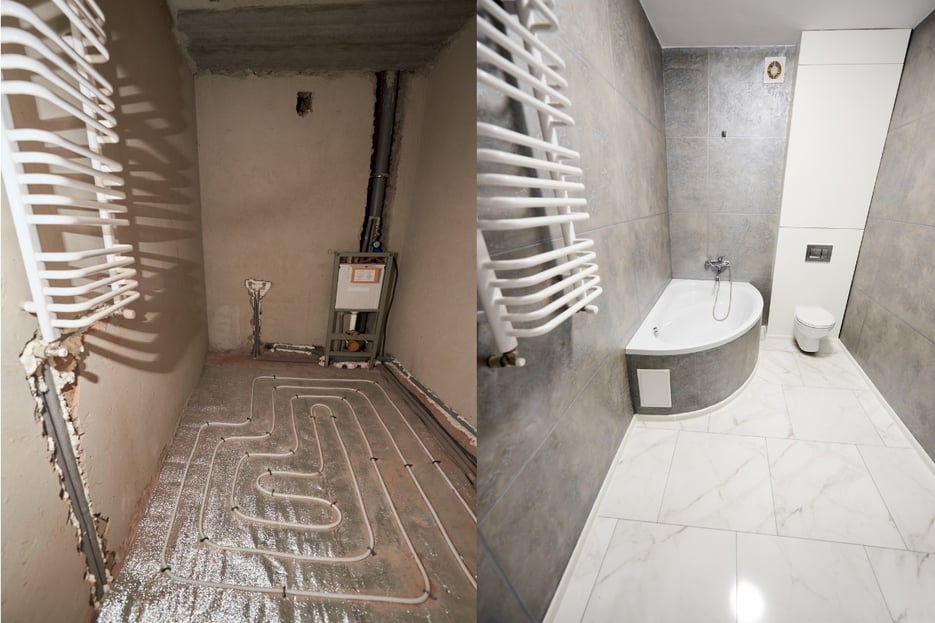
One of the simplest ensuite bathroom ideas is placing the toilet, basin, and shower along one wall. This keeps the opposite side open, which helps the room feel less cramped. It is especially useful in narrow rooms carved from a bedroom or landing space.
This layout works well with compact suites: a short projection toilet, a slim basin, and a shower enclosure at one end. It also makes cleaning easier because your floors stay cleaner. If you want the room to feel modern, keep the finishes consistent and avoid overfilling the space with accessories.
A corner shower can be a smart use of a tight footprint. In a wet room, a corner screen helps control spray; in a traditional ensuite, a corner shower enclosure can free up movement space. Either way, the corner approach often suits odd-shaped rooms.
If you go down this route, size matters. A shower that is too small becomes a daily regret, especially after a long day when you want comfort. Choose a shower tray or wet-room former that fits your body, not just your floor plan, and keep stock of how the door opens so it does not clash with the basin.

A shower enclosure is usually the most practical for keeping the rest of the bathroom dry. It also helps the room heat up faster, which can feel more comfortable in a small ensuite. A shower cubicle can be a good option when you need a compact, straightforward install.
Wet zones feel airy and modern, but they require more drying and more regular wipe-downs. If you want low-fuss daily use, an enclosure often wins. If your priority is openness and step-free access, the wet room approach may suit you better.
Toilet choice is where many small ensuites are won or lost. A stylish toilet that is too deep can steal valuable floor space and make access awkward. A short projection model can be a practical fix that keeps the walkway clearer.
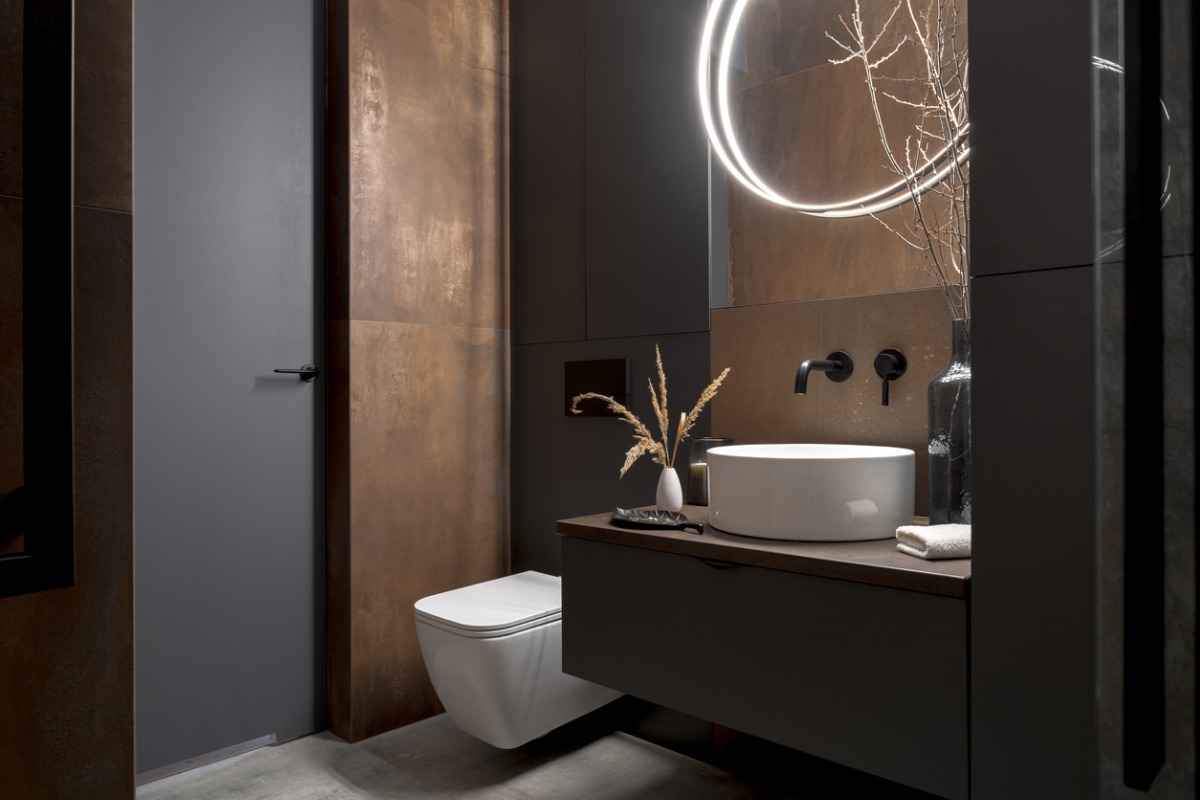
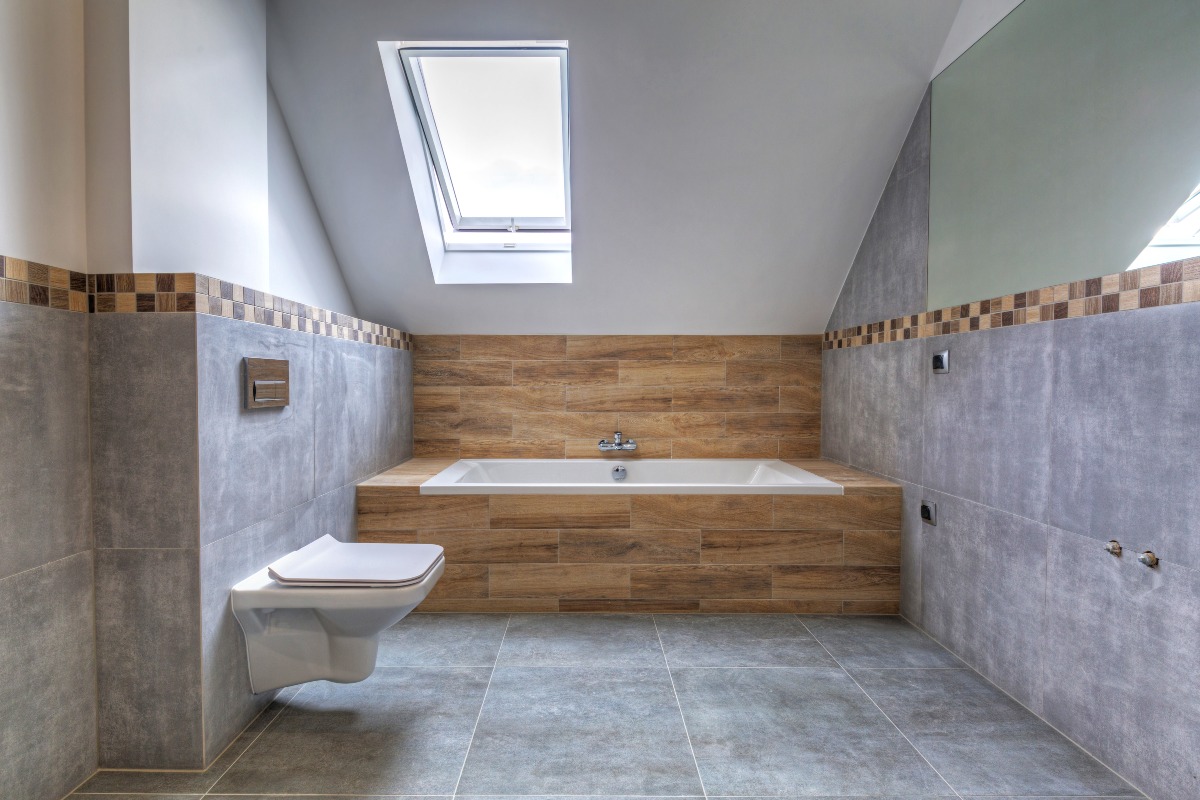
Wall hung toilets look sleek and can make cleaning easier, because you can see more of the floor. They can also make a small bathroom feel lighter and more modern. Just remember that wall hung installations need proper wall support and planning before you close anything up.
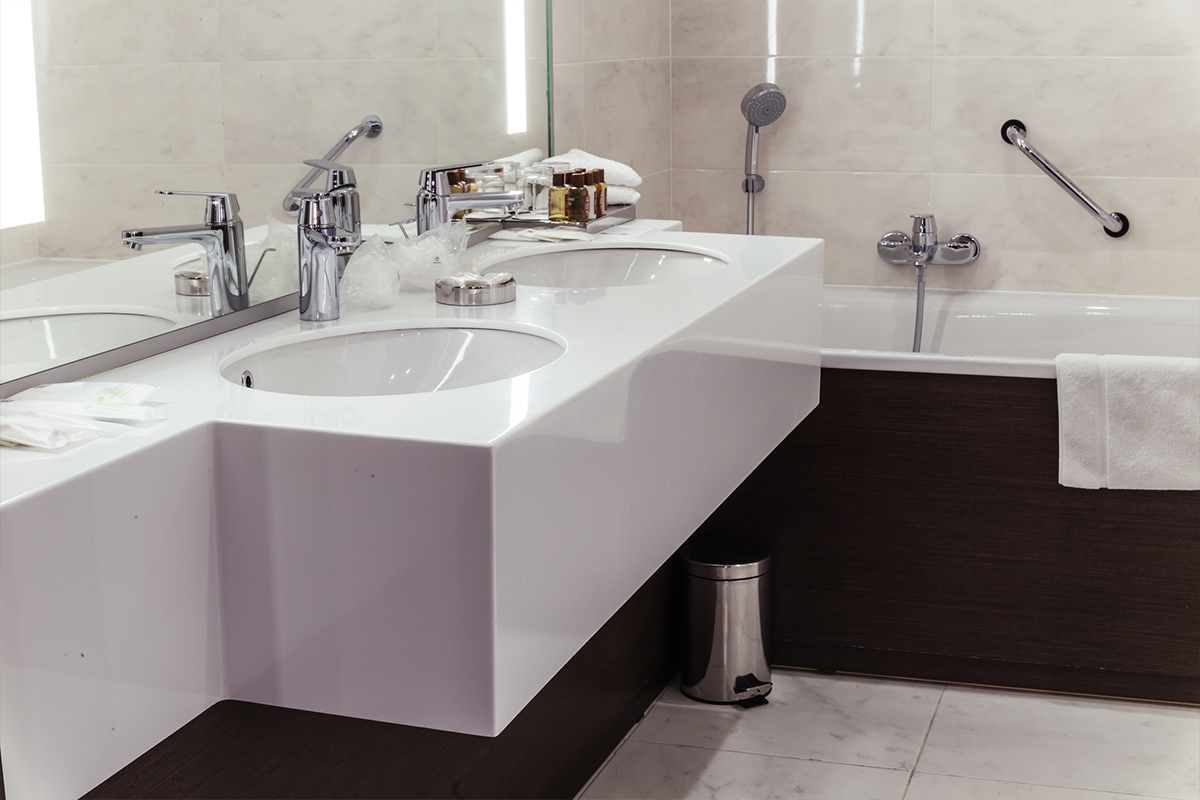
A bulky basin can dominate a small ensuite. Slim basins, compact sinks, or wall-hung basin styles keep the room feeling open and help preserve floor space. If you want storage, a narrow unit can still suit the room without overwhelming it.
Think about daily use. You need enough space to wash your hands comfortably, not just a tiny basin that looks neat on a page. Take stock of splash risk, tap reach, and whether the basin position blocks movement through the middle of the room.
Good lighting is one of the easiest ways to make a small ensuite feel bigger. Aim for layered lighting: overhead light for the room, mirror lighting for the basin, and softer lighting for night. That mix helps the bathroom feel comfortable during a busy day and calmer later on.
Illuminated mirrors are a strong feature in small spaces, especially when natural light is limited. They add practical visibility and a touch of luxury without taking up room. If your ensuite is beside the bed, softer night lighting helps you rest and keeps the bedroom calmer.
If your en suite has a window, you have an advantage, because natural light makes the room feel fresher and less boxed in. Keep window dressings simple to avoid losing daylight, and choose privacy options that still allow light to pass through. This helps the bathroom feel less dark, especially in winter.
If there is no window, lighting and finishes become even more important. Pale tiles, reflective surfaces, and well-placed mirrors can elevate the space. You can still create a personal oasis, but you will need to plan for it deliberately.
Ventilation is essential for any bathroom, but wet rooms demand it even more. More surfaces get wet, drying takes longer, and the room can feel damp if extraction is weak. Without good ventilation, even high-quality decor and tiles can struggle over time.
A traditional ensuite can dry faster because the shower area is contained, but it still needs proper extraction. Suppose you want the room to stay comfortable and smell fresh. Plan ventilation early. Keep track of how the room is used, too, because frequent showers mean moisture builds up quickly.
Your tiles and surface choices affect both style and maintenance. Larger tiles can make a small room feel larger because there are fewer grout lines, while smaller tiles can add texture but require more frequent cleaning. Wet rooms often suit larger-format wall and floor tiles because they support a cleaner, modern look.
Think about floors carefully. In wet rooms, the floor finish must work with slope and drainage, and it needs a safe grip underfoot. In traditional ensuite bathrooms, a good tray and sealed edges help protect the floors and walls from constant moisture.
Most ensuite and wet room conversions do not require planning permission, but there are exceptions, especially in listed buildings or where changes affect the exterior. If you are unsure, checking with your local council can save stress later. It is a quick step that helps you plan confidently.
Even when planning permission is not needed, building regulations and correct installation still matter. Waterproofing, electrics, and ventilation must be safe and compliant. A good installer will talk you through this, but it helps to take stock of the basics yourself, too.
Both options can add value when done well, because a private bathroom connected to a bedroom is a major convenience. It can reduce pressure on the shared and family bathrooms, making mornings smoother. That extra “separate” space often feels like a genuine upgrade in a busy household.
Wet rooms can appeal because they look modern and can feel luxurious. Traditional en-suites appeal because they feel familiar, warm, and easy to live with. What matters most is that the space feels complete and practical, not cramped or damp, and that you keep stock of quality in the fixtures, not just the finishes.
A wet room is often the best option when you want openness, step-free access, and a modern, luxurious feel, and you are willing to invest in proper waterproofing and ventilation. A classic ensuite bathroom is often better when you want a contained shower setup that stays drier, feels warmer, and works smoothly day to day. Either choice can create your own space and personal space in a bedroom, but only if the plan suits the room.
If you want the simplest decision rule, start with your routine. If you want quick, contained showers and easy maintenance, lean towards a shower enclosure. If you want openness and flexible access, lean toward a wet room. Then take stock of installation quality, drainage, and drying to ensure it stays comfortable for years.
Are you ready to take the plunge and transform your bathroom into an oasis? Well, look no further! The Conversion Guy is committed to providing you with an unparalleled bathroom renovation experience.
With over 40 years of experience in bathroom remodelling, we are looking forward to helping you create the most amazing bathroom of your dreams! We love talking bathrooms, so be sure to get in touch today or book a free consultation and start your journey towards creating the perfect bathroom retreat!
Explore our resources and learn about pricing, bathroom refits, kitchen kitchen renovations, loft conversions and many other home improvements in our Learning Centre