
A garage conversion can be a brilliant way to gain extra space without moving house, and for many UK homeowners it is a sensible home improvement project that adds genuine everyday value. The problem is that a garage conversion...
A garage conversion can be a brilliant way to gain extra space without moving house, and for many UK homeowners it is a sensible home improvement project that adds genuine everyday value. The problem is that a garage conversion also has a long list of small decisions that can quietly spiral into high costs. A missed detail on damp protection, an assumption about planning permission, or a rushed insulation choice can turn a “reasonable cost” project into a stressful rebuild.
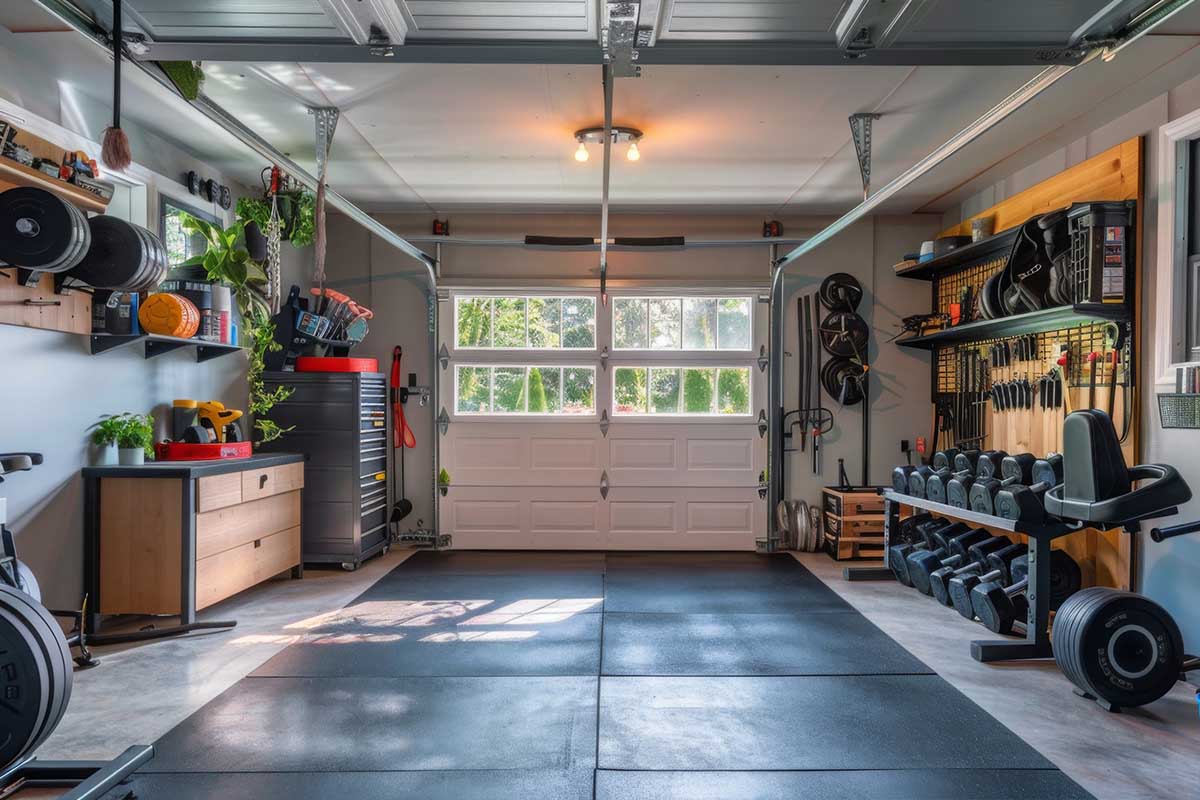
This guide breaks down the most common garage conversion mistakes that cost homeowners thousands, and how to avoid them. Whether you are converting a garage into a utility room, office, snug, hobby zone, or even a gym, the themes stay the same: get the approvals right, upgrade the structure correctly, and make the new room feel like a true living space, not a cold afterthought.
Assuming planning permission is “not a thing”
One of the most expensive garage conversion mistakes is assuming planning permission never applies. Many projects do fall under permitted development, but that does not mean you can make any external change you like and call it fine. If you change the front elevation, alter parking arrangements, or your property has restrictions, you may still need planning permission.
You can also require planning permission if your home sits in a conservation area, if it is within an area of outstanding natural beauty, or if the local authority has removed permitted development rights in your street. The cost comes when you build first and then get told to reverse work, submit a retrospective application, or redo the design to meet the local planning authority requirements. Before your garage conversion begins, check with your local council or local planning authority and keep the response in writing so you can show it later.
Misunderstanding permitted development and local rules
A garage conversion that qualifies for permitted development usually has fewer planning hoops, but homeowners still get caught out by local conditions. Some developments were approved with conditions that require the garage space to remain as parking, which can make a straightforward conversion harder. If you ignore that, the local authority can enforce, and enforcement work is never cheap.
It is also common to assume permitted development is automatic for a detached garage. In practice, a detached garage conversion can raise more questions, especially if the building’s use changes and you are adding services, insulation, and a new entrance. If you want to gain planning permission smoothly, start with a basic check, then confirm whether your plan is truly covered by permitted development rights.
Forgetting listed building consent and special designations
If the property is a listed building, you may need listed building consent even if the changes feel modest. That might include alterations to openings, external appearance, or materials. This is one of those garage conversion problems that can be expensive because mistakes can lead to enforcement, legal steps, or complex redesign.
The same goes for properties in a conservation area or protected landscapes, including areas of outstanding natural beauty. A garage conversion can still be possible, but you may need to retain the look of the garage door or use specific materials and window styles. It is far cheaper to design around restrictions at the start than to undo work later.
Treating building regulations like optional paperwork
A very common garage conversion mistake is thinking building regulations only matter if you are doing something major. In reality, building regulations apply to almost every garage conversion that creates a habitable room or habitable space. Ignoring building regulations can result in failed inspections, delays, and expensive corrective work.
Garage conversion building regulations cover insulation, ventilation, moisture control, electrics, and fire safety. If your project is not signed off, you can run into problems when selling, remortgaging, or proving safety to insurers. Even if you are doing a diy garage conversion, you still need to involve building control and comply from day one.
Skipping building control checks or booking them too late
A garage conversion moves through stages that must be inspected at the right time. If you plaster over insulation before building control has seen it, you may be asked to open everything back up. That single mistake can add weeks and a surprising labour bill.
If you are working with the council route, your local building control department may need notice to schedule inspections. If you are using an approved inspector, you still need to book checks. A well-managed garage conversion plan includes inspection dates in the schedule, so the project does not stall while everyone waits.

Underestimating damp risk and floor level issues
Damp problems are a classic garage conversion cost trap. Many garages sit on a concrete slab and the garage floor can be lower than the house, sometimes below the external ground level. If you do not manage moisture correctly, you can end up with mouldy skirting, ruined finishes, and a room nobody wants to use.
A proper garage conversion often needs a robust moisture barrier and a correctly detailed damp proof course approach. The garage floor may need insulating and raising, which also affects door thresholds into the main house. If you get this wrong, you can pay twice, once to install the finish and again to rip it up and rebuild the base before the final floor covering goes down.
Choosing the wrong insulation and losing comfort fast
If there is one mistake that makes a garage conversion feel like a poor investment, it is weak insulation. The new room might look finished, but it will never feel like real living space if it is cold, draughty, or prone to condensation.
Garage conversion wall insulation needs to be designed for the wall type, especially if you have single-skin walls. Installing insulation properly includes sealing gaps, managing vapour layers, and avoiding cold bridges around openings. Many homeowners save money by using thin materials, then spend far more later trying to fix comfort issues, because poor insulation destroys thermal performance and increases energy costs.
Ignoring roof insulation and the roof type
Roofs lose a huge amount of heat, which is why roof insulation is essential in a garage conversion. If you have a flat roof, you need a careful build-up to avoid condensation, and it is wise to check the existing roof covering at the same time. If the garage roof is old, insulating beneath a failing surface can be a false economy.
With a pitched roof, you still need roof insulation, but the method can vary based on the rafters and ventilation strategy. Homeowners often forget that improving insulation can reveal weak points in the existing structure. A good approach is to check the roof condition early, so the conversion project does not get derailed halfway through.
Keeping the garage door without a proper thermal plan
Many people want to keep the garage door for curb appeal, and some attempt to insulate behind it. That can work in limited situations, but it is also a common garage conversion mistake. If the garage door is leaky or uninsulated, it can dominate heat loss and make the room uncomfortable.
A better plan is usually to remove the garage door and build a properly insulated wall section, often with new windows. If the look of the original frontage matters, the new wall can still be designed to blend in. Either way, the garage door decision should be made with comfort and compliance in mind, not just appearances.
Not planning the use of the space before the build
A garage conversion should begin with a clear purpose. If you do not know whether the room is for a utility room, office, snug, studio, or dedicated space for hobbies, you will make decisions that cost money later. For example, an office may need additional sockets, data points and lighting, while a utility room often needs plumbing, ventilation, and durable finishes.
When homeowners change direction halfway through, it affects layout, services, and timelines. It can also force expensive rework, especially once walls are closed and floors are finished. Decide what you want from the garage conversion space early, including how much space you need and whether you still want some storage space.
Underestimating the value of partial garage conversions
Some households still need a section of the garage to store equipment like bikes, tools, or bins. If that is true for you, but you convert everything, you may create a new problem and pay to solve it later with sheds, cupboards, or reconfigured rooms.
Partial garage conversions can be a smart compromise. You can gain a warm new space while keeping a practical storage zone, especially in wider or deeper garages. The mistake is dismissing this option too quickly, then spending money later trying to recreate storage you removed.
Failing to check the existing foundations and structural limits
Many garages were built differently to the main house, with lighter existing foundations and thinner walls. If you assume the structure can take anything, you can run into costly structural fixes. This is especially relevant for an older existing garage or when the garage is a separate building.
A survey or experienced builder can confirm whether the floor slab, walls, and roof framing are suitable for conversion. This matters for both attached garages and a detached garage, but detached structures can be more exposed and varied in build quality. Structural surprises are one of the biggest reasons garage conversion projects exceed budget.
Getting electrics wrong and paying twice
Electrics are frequently underestimated in a garage conversion. A new room that becomes a real part of your home needs safe wiring, enough sockets, and the right circuits. If you add high-load equipment, a tumble dryer, or gym kit later, you might discover the original electrical plan was not fit for purpose.
Some conversions benefit from a separate consumer unit, while others need an own miniature circuit breaker added to the existing board. You may also hear the electrician refer to a miniature circuit breaker, which is the protective device that prevents overloads. If you do not plan this properly, you can end up reopening walls, redecorating, and paying for second fix twice.
Missing ventilation requirements and creating condensation
Ventilation is not optional in a compliant garage conversion, especially if you are creating a utility room or a room with regular occupancy. Without ventilation, moisture builds up, leading to condensation, damp patches, and mould. That damage is expensive to repair, and it is miserable to live with.
Ventilation is also tied to building regulations and building control sign-off. A conversion that looks beautiful but traps moisture is not a success. Good ventilation design should be integrated with insulation so the room feels like a comfortable living space all year.
Fire safety mistakes that affect layout and approvals
Fire safety is one of the areas that homeowners most often misunderstand. If a garage conversion creates an inner room, you may need an alternative escape route to comply with safety requirements. That can affect door positions, window sizes, and whether the room can be used as intended.
This is where DIY plans sometimes fall apart. A diy garage conversion that does not consider escape routes can require redesign later, which is expensive once walls and finishes are in place. A competent garage conversion specialist will flag this early, saving you time and cost.
Forgetting the practical details that make a room feel “real”
Some garage conversion mistakes are not structural, but they still cost money. Lighting that is too harsh, sockets in awkward positions, or a poor heating plan can make the room feel like a bolt-on. Then homeowners pay again to upgrade it.
Think about how you will use the room day to day. If it is extra living space, where will the sofa and TV go, and where will power be needed? If it is a workspace, do you need a quieter environment? These details help the newly converted space feel like a natural extension of the home.
Making cheap finish choices that do not suit the room
Flooring and finishes should match the use of the space. A garage floor upgrade that is not properly prepared can cause flooring to fail, especially if moisture is present. You also need to select the right new flooring for the room’s purpose, particularly in a utility room where spills and heat changes are common.
The phrase final floor covering sounds like a simple last step, but it depends on everything underneath being correct. If you rush this and install finish materials too early, you can trap moisture and create failures. That is a classic way a garage conversion can cost you thousands after it “looks finished”.
Not considering resale value and what future buyers expect
Even if you are converting for your own needs, resale matters. A garage conversion that is poorly insulated, lacks paperwork, or feels disconnected from the house can put off future buyers. Buyers also care about whether the work was signed off by building control and whether it complies with building regulations.
If your conversion removes parking in a street where it is already tight, the local authority perspective and buyer expectations can intersect in unhelpful ways. Done well, a conversion can add value and improve lifestyle. Done badly, it can be seen as a problem that needs fixing.
Working with the wrong contractor, or none at all
Some homeowners choose a diy garage conversion to save money, and sometimes that works. The expensive mistake is doing it without understanding compliance, sequencing, and moisture control. The second expensive mistake is hiring a contractor who does not specialise in conversions and underestimates the details.
A garage conversion specialist is often better at spotting risks in the existing structure, managing insulation choices like insulated plasterboard, and coordinating trades so the schedule stays smooth. The right team can also help you navigate planning permission, permitted development, and garage conversion building regulations, which reduces the chance of expensive rework.
A quick checklist to avoid the most expensive garage conversion errors
A good garage conversion starts with clarity. Confirm whether planning permission applies, and if not, make sure you are genuinely covered by permitted development rights and not blocked by a condition from the local authority. If you may require planning permission, speak to the local planning authority early and get written advice.
Next, treat building regulations and building control as core parts of the plan, not admin. Make sure the insulation approach covers walls, floor, and roof, with proper garage conversion wall insulation and roof insulation that protects thermal performance. Finally, plan services like electrics and plumbing properly, including whether you need a separate consumer unit or an own miniature circuit breaker, and design the room so it becomes genuinely useful living space.
The Conversion Guy - A Trusted Garage Conversion Specialist in Derbyshire & Staffordshire
Are you ready to take the plunge and transform your garage into a warm, welcoming living space? Well, look no further! The Conversion Guy is committed to providing you with a garage conversion experience that is unparalleled.
With over 40 years of experience in garage conversions, we are looking forward to helping you turn your garage into a functional and beautiful space! We love talking conversions, so be sure to get in touch today or book a free consultation and start your journey towards a more spacious, versatile home.
From the Learning Centre
Explore our resources and learn about pricing, bathroom refits, kitchen kitchen renovations, loft conversions and many other home improvements in our Learning Centre