When embarking on a kitchen renovation or new build, choosing the right kitchen fitter is one of the most crucial decisions you'll make. Whether you’re replacing kitchen worktops, installing new kitchen units, or overhauling your...
A bathroom remodel is a transformative home improvement project that enhances comfort, functionality, and property value. Whether you’re refreshing a small bathroom or designing a luxurious new bathroom, understanding the costs involved is essential for effective budgeting. This comprehensive guide explores the new bathroom cost, factors influencing bathroom refurbishment cost, and practical tips to save money, ensuring you achieve your dream bathroom without overspending in the UK.
What Is a Bathroom Remodel?
A bathroom remodel involves updating or completely transforming an existing bathroom to improve its aesthetics, functionality, or efficiency. This can range from simple upgrades, like replacing a new toilet or pedestal basin, to a full bathroom remodel, including a new bathroom suite, plumbing, electrical work, and custom bathroom tiles. The scope depends on your goals—whether it’s creating a fresh bathroom look, adding a walk-in shower, or modernising outdated fixtures. A remodel typically includes bathroom installation, old bathroom removal, and waste disposal, tailored to your bathroom size and layout.
What’s the Average Cost of a Bathroom Remodel in the UK?
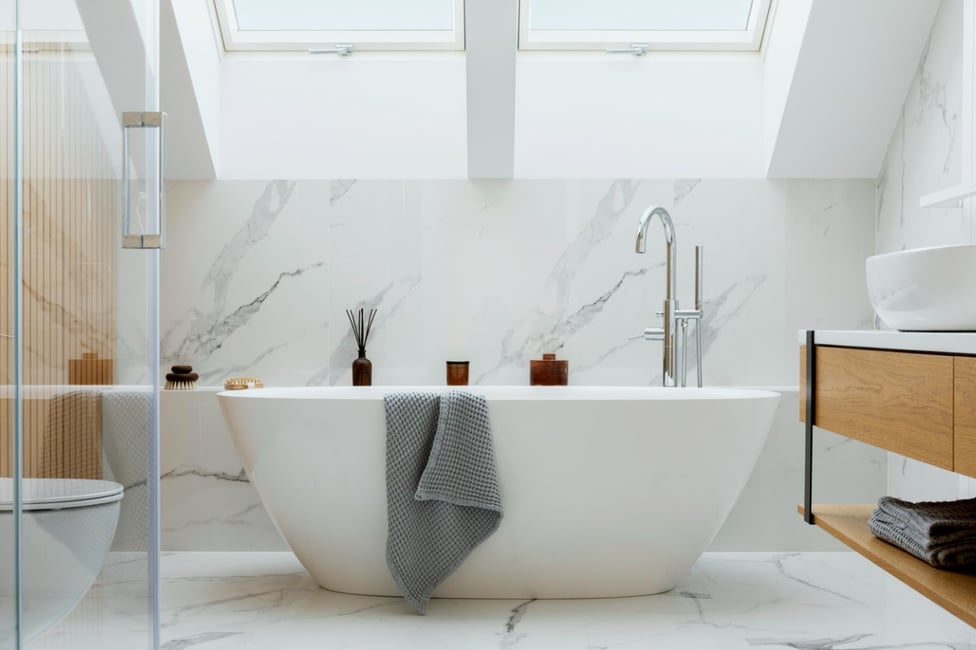
The average bathroom cost in the UK varies widely based on project scope, materials, location, and the average costs of labour and materials in your area. On average, a new bathroom costs ranges from £4,500 to £8,000, though costs can escalate for high-end designs or drop for simpler updates. A typical UK bathroom is around 2m x 2m. For a rough idea, the cost of a new bathroom per square metre typically falls between £100 and £200, depending on the complexity and quality of finishes.
Basic bathroom refurbishment
£3,000–£4,500, covering essentials like a new toilet, pedestal basin, bath, or shower enclosure with minimal layout changes.
Mid-range bathroom remodel
£5,000–£8,000, including a new bathroom suite, quality bathroom tiles, and professional bathroom installation.
Luxury full bathroom remodel
£10,000+, incorporating premium features like a walk-in shower, underfloor heating, designer bath taps, or, where suitable, an electric shower as part of a higher-spec setup.
These figures typically include bathroom installation, plumbing, electrical work, and tiling but may exclude the cost of removing an old bathroom or structural modifications. Costs vary depending on regional labour rates and the intricacy of your bathroom ideas.
Key Factors Influencing Bathroom Renovation Costs
Several elements determine the bathroom renovation cost, and understanding them is the first step in upgrading your bathroom effectively, helping you prioritise your budget efficiently.
1. Bathroom Size
The bathroom size significantly impacts the overall new bathroom cost. A typical UK bathroom often has limited floor space, while larger rooms usually need more materials and more labour time. A small bathroom requires fewer materials, such as floor tiles and wall tiles, and less labour, keeping the installation cost lower. Bigger bathrooms, however, increase bathroom fitting costs because there is more work involved across tiling, flooring, and fitting.
2. Layout
Maintaining the existing bathroom layout—keeping the new toilet, pedestal basin, or shower enclosure in their original positions—reduces higher bathroom installation costs. Relocating plumbing, adding a separate shower, or reconfiguring the bathroom layout can add £500–£2,000 to the project due to additional plumbing and electrical work. Even small changes to the layout or plumbing points can affect the final cost disproportionately. For example, when renovating, moving a shower enclosure installation to a new location often requires rerouting pipes, so careful plan decisions early on help keep relocation costs under control.
3. Labour Costs
Labour costs account for 40–60% of the bathroom price, typically ranging from £1,500–£5,000. In London, bathroom fitters commonly charge around £350 per day as a useful local benchmark. Hiring experienced bathroom installers, plumbers, electricians, and tilers ensures compliance with UK regulations and delivers a high-quality, fresh bathroom; some homeowners also use a builder to coordinate the wider job, but specialist bathroom trades still have a major effect on labour pricing. Labour rates vary depending on location—urban areas like London command higher fees, and project complexity. Specialised tasks, such as installing underfloor heating or a separate hot water system, require skilled professionals, further increasing labour costs.
4. Fixtures and Fittings
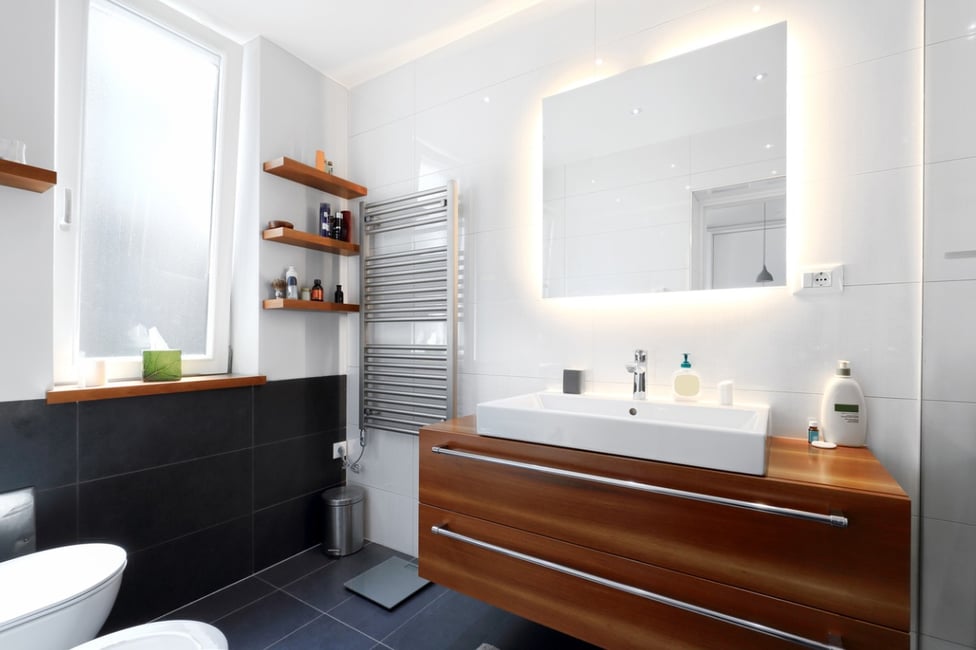
The choice of bathroom components directly affects the cost of the new bathroom. A basic bathroom suite, including a close-coupled toilet, pedestal basin, and standard bath, costs £500–£1,000. Choosing the best quality sanitaryware and brassware can cost more up front but often offers better durability and value over time. A premium suite with a wall-hung vanity unit, walk-in shower, shower tray, and designer shower head ranges from £2,500–£4,000. Additional bathroom ideas, such as a storage unit, heated towel rail, illuminated mirror, or bespoke shelving, elevate the bathroom refurbishment cost. For instance, a high-end vanity unit can add £200–£1,500, depending on the design and materials.
5. Materials and Finishes
The selection of materials, such as bathroom tiles, vinyl flooring, and fixtures, plays a critical role in the budget. Basic ceramic wall tiles cost £10–£20 per square metre, while premium or patterned floor tiles can exceed £50 per square metre. Fitted tiling can reach around £85 per m² once labour is included. Vinyl flooring, a durable and cost-effective option, ranges from £10–£30 per square metre. Opting for mid-range materials with strong reviews and comparing tile prices across suppliers allows you to save money while maintaining a stylish and functional UK bathroom.
What’s Included in a Typical Bathroom Installation?
A professional new bathroom installation involves multiple stages to transform your space seamlessly. Typical bathroom installation costs cover:
Old bathroom removal
The first step in a bathroom remodel is usually the strip out, the trade term for removing the old suite before the new installation begins. This includes dismantling and disposing of existing fixtures such as the toilet, pedestal basin, bath, or shower enclosure. This process, known as old bathroom removal, typically costs £300–£800, depending on the bathroom size, complexity, and condition of the existing bathroom. For instance, bathrooms with outdated plumbing or heavy fixtures like cast-iron baths may require additional labour, increasing the bathroom removal costs. This early stage often covers all the work needed to clear fixtures, tiles, and flooring before fitting starts, ensuring a clean slate for the new installation. Proper handling is crucial to avoid damage to walls, floors, or plumbing systems, which could lead to hidden costs.
Plumbing
Plumbing is a critical component of any new bathroom installation, involving the connection of the new bathroom suite to the water supply and drainage systems. This includes installing pipes and fittings for the new toilet, pedestal basin, bath, shower enclosure, or separate shower. Costs vary depending on the complexity of the plumbing work, typically ranging from £500–£1,500. Plumbing costs are lower if the space layout is retained, as minimal pipe rerouting is needed. However, relocating fixtures or adding features like a separate hot water system or designer bath taps requires extensive pipework, increasing labour costs and materials. Plumbers ensure all connections are secure and compliant with UK water regulations to prevent leaks or inefficiencies.
Electrical work
Electrical work is essential for creating a safe and functional bathroom, covering the electrics for lighting, ventilation, power sockets, or even underfloor heating. This stage ensures compliance with UK electrical safety standards, particularly in wet environments. Costs for electrical work range from £300–£1,000, depending on the scope. For example, installing recessed lighting or a heated towel rail is relatively straightforward, while adding underfloor heating or rewiring to meet regulations is more complex and costly. Electricians may also install an extractor fan to prevent mould and ensure proper ventilation, a standard upgrade that can affect the budget. Always verify that electrical work is included in your quote to avoid unexpected additional costs.
Tiling
Tiling is a pivotal stage that enhances both the durability and aesthetic appeal of your bathroom. This involves applying wall tiles and floor tiles, followed by sealing and waterproofing to protect against moisture. Tiling costs depend on the bathroom size and material choice, typically ranging from £500–£2,000. Basic ceramic bathroom tiles cost £10–£20 per square metre, while premium or patterned tiles can exceed £50 per square metre. Labour costs are higher for intricate designs, such as mosaics or herringbone patterns, which require precision. Tilers also ensure proper grouting and sealing to prevent water seepage, contributing to the longevity of your new bathroom. Vinyl flooring, a cost-effective alternative, may be used in some projects, costing £10–£30 per square metre.
Installation
The installation phase involves fitting the new bathroom suite, including the bath, shower enclosure, new toilet, pedestal basin, vanity unit, or other bathroom components, with precision and care. This stage requires skilled bathroom fitters to ensure all fixtures are securely installed and aligned with plumbing and electrical systems. Costs for installation typically range from £1,000–£2,500, depending on the complexity and quality of the bathroom suite. For example, installing a standard bath is less labour-intensive than a frameless walk-in shower or a wall-hung vanity unit, which demands meticulous attention to detail. This phase also includes mounting accessories like towel rails or storage units, ensuring a cohesive and functional bathroom layout.
Waste disposal
Waste disposal is an often-overlooked but essential part of a bathroom renovation, involving the removal and proper disposal of debris, such as old tiles, fixtures, and packaging from new materials. Fees for waste disposal range from £100–£300, depending on the volume of waste and local disposal regulations. Some bathroom installers include this in their quote, while others charge separately, so it’s crucial to confirm with your bathroom fitters to avoid surprises. Professional waste disposal ensures environmentally responsible handling, adhering to UK waste management standards, and leaves your home clean and ready for the final stages of the project.
Finishing touches
The finishing touches complete the bathroom installation, delivering a polished, fresh bathroom aesthetic that’s ready for use. This stage includes sealing joints, grouting tiles, and cleaning all surfaces to remove dust or residue. Additional tasks may involve installing minor accessories, such as mirrors, soap dispensers, or bespoke shelving, to enhance functionality and style. Costs for finishing touches are typically included in the overall labour budget, but can add £100–£500 if custom elements are involved. This phase ensures every detail, from the shine of the shower head to the alignment of bath taps, contributes to a high-quality, professional result that elevates your UK bathroom.
Confirming the Quote
To avoid unexpected additional costs, always clarify with your bathroom installers what is included in their quote. Compare quotes based on the same assumptions for accuracy, including scope, materials, and exclusions. Some contractors may exclude bathroom removal costs, waste disposal, or specific electrical work, leading to budget overruns. Request a detailed breakdown of typical bathroom installation costs, covering labour, materials, and any potential contingencies. This transparency helps you control the total spend and keeps your bathroom renovation aligned with your budget and expectations for a stunning, functional new bathroom.
Hidden Costs to Anticipate
Even with careful planning, bathroom remodel costs can rise due to unexpected costs. Allocate a 10–20% contingency budget for hidden costs and extra work you may need to pay for once problems are uncovered, such as:
- Water damage or mould behind old bathroom tiles, requiring repairs.
- Outdated plumbing systems that need upgrading to meet modern standards.
- Electrical work not compliant with current UK regulations, necessitating rewiring.
- Subfloor repairs before laying vinyl flooring or floor tiles to ensure stability.
- Reinforcing floor joists to support a heavy new bath or walk-in shower.
Discuss these potential issues with your bathroom installers during the planning phase to ensure your quote accounts for flexibility and minimises surprises.
How to Save Money on Your Bathroom Renovation
Managing the bathroom refurbishment cost doesn’t mean compromising on quality, especially if you follow essential tips for a successful bathroom refurbishment. Here are actionable strategies to save money:
- Retain the existing bathroom layout to avoid costly plumbing or electrical relocations, keeping higher bathroom installation costs in check.
- Choose mid-range bathroom components, such as a standard shower enclosure instead of a custom wet room, to balance cost and aesthetics.
- Prioritise high-impact features, like a stylish vanity unit or walk-in shower, while using budget-friendly ceramic bathroom tiles.
- Shop for bundle deals on a new bathroom suite, combining bath, basin, new toilet, and bath taps at a competitive average price.
- Consider DIY tasks, such as painting walls or installing a storage unit, to reduce labour costs.
- Source materials from reputable online retailers or local suppliers offering discounts on bathroom suites and fixtures.
Timing your bathroom renovation during off-peak seasons, such as late autumn or winter, may also secure lower rates from bathroom fitters, as demand is typically lower.
Special Features That Elevate Costs
Certain upgrades enhance the comfort, style, and value of your UK bathroom but increase the overall cost:
Underfloor heating
£500–£1,500, providing warmth and luxury, especially in colder months.
Shower enclosure installation
£600–£2,500 for a walk-in shower or frameless glass design, creating a spa-like experience.
Wall-hung vanity unit
£200–£1,500, offering a sleek, space-saving solution with modern appeal.
Designer bath taps or a shower head
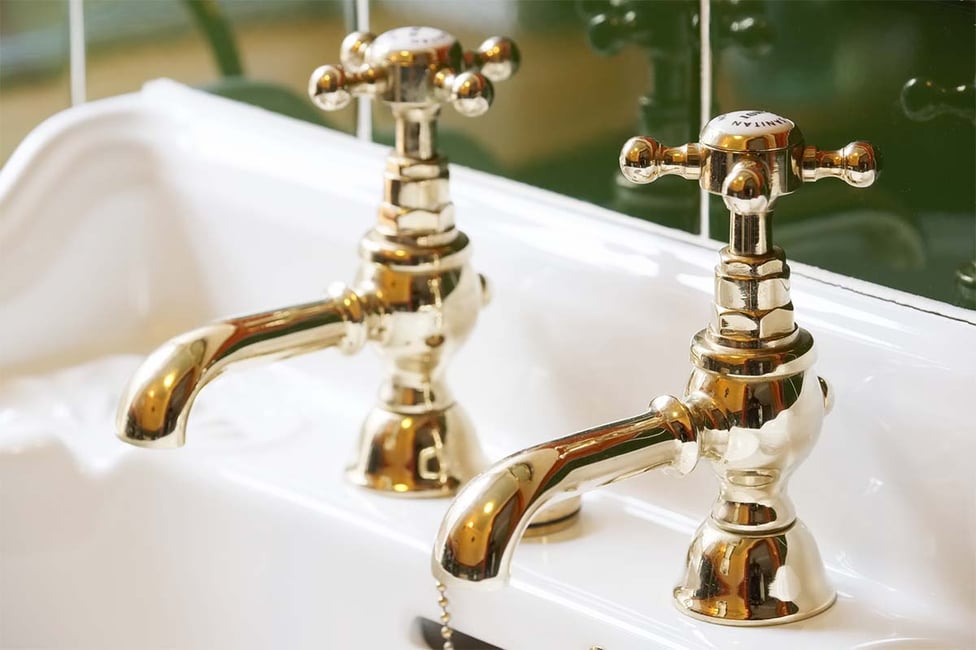
£150–£500, adding sophistication and functionality.
Custom bathroom tiles
Patterned, mosaic, or high-end tiles increase both material and labour costs due to intricate installation.
Carefully assess whether these features align with your budget or if more affordable alternatives can achieve a similar fresh bathroom look.
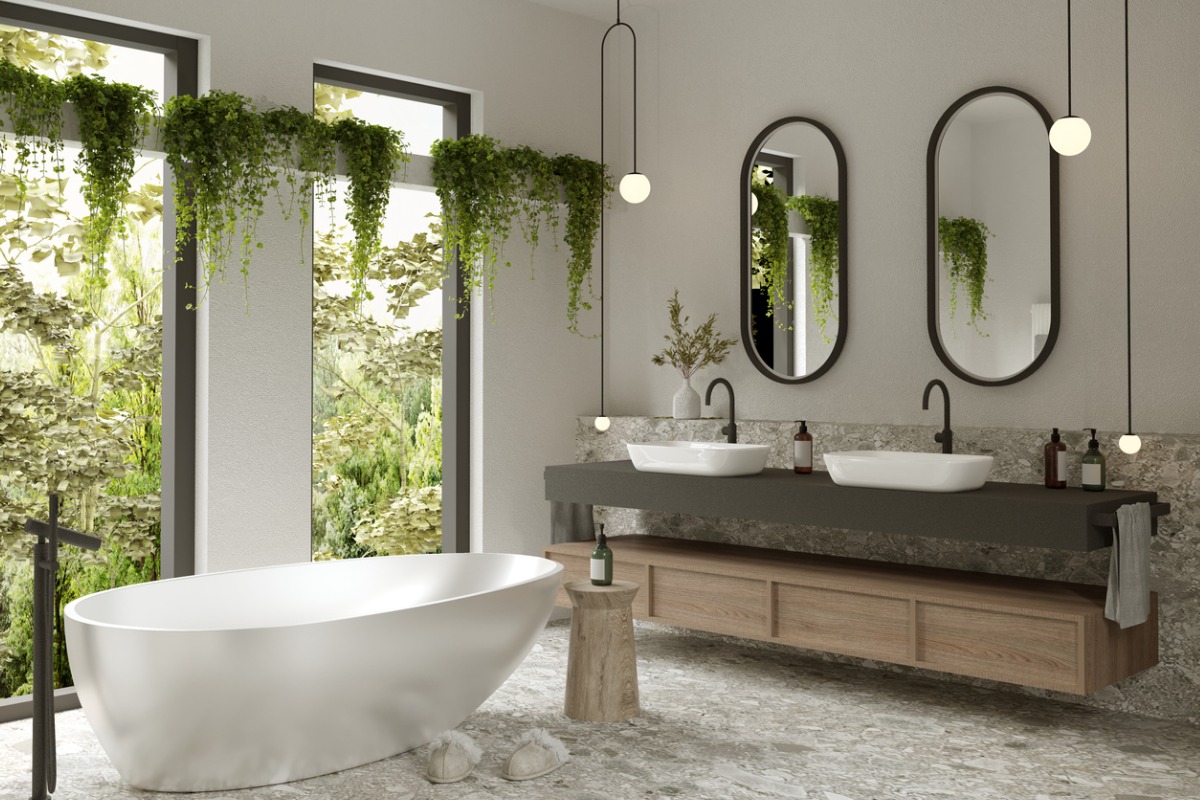
Should You Replace the Entire Bathroom?
A full bathroom remodel isn’t always necessary to refresh your space. If the existing bathroom suite is in good condition, updating specific elements, such as the vanity unit, shower head, bath taps, or storage unit, can create a modern aesthetic at a fraction of the cost. For example, replacing outdated fixtures or adding new wall tiles can significantly enhance the bathroom’s appearance without a complete overhaul.
However, if the old bathroom suffers from persistent leaks, outdated plumbing, or worn-out décor, a full bathroom remodel or new installation is often the most cost-effective long-term solution. A complete renovation ensures improved efficiency, durability, and compliance with UK building standards, adding value to your home.
How to Secure the Best Bathroom Price
To optimise your renovation budget and achieve the best average price:
- Obtain detailed quotes from at least three reputable bathroom installers, compare prices carefully rather than just choosing the lowest figure, and make sure you are comparing like-for-like quotes for materials, labour, bathroom removal, and waste disposal so you know exactly what work you are being asked to pay for.
- Request a comprehensive breakdown of typical installation costs to identify potential hidden fees.
- Verify the credentials, customer reviews, and warranties offered by bathroom fitters to ensure reliability and quality, following key tips for finding the best bathroom fitter in Derbyshire.
- Schedule your project during quieter months, as some installers offer discounts when demand is lower.
- Explore online bathroom suppliers or local showrooms for competitive pricing on new bathroom suites, bathroom tiles, and fixtures.
Crafting Your Ideal Bathroom
Bathroom renovations are a valuable investment that enhances daily comfort, elevates your home’s aesthetic, and boosts property value. Whether you’re remodelling a small bathroom, upgrading an existing suite, or creating a luxurious retreat, understanding the bathroom cost, from labour to materials, empowers you to make informed decisions. By carefully planning your bathroom layout, balancing high-impact features with cost-effective choices, and collaborating with trusted bathroom installers, you can create a stunning, functional UK bathroom tailored to your lifestyle and budget.
Start planning your bathroom remodel today, and transform your space into a beautiful, practical haven that meets your needs for years to come.
The Conversion Guy - A Professional Bathroom Fitter serving Derbyshire & Staffordshire
Are you ready to take the plunge and transform your bathroom into an oasis? Well, look no further! The Conversion Guy is committed to providing you with a bathroom renovation experience that is unparalleled.
With over 40 years of experience in bathroom remodelling, we are looking forward to helping you create the most amazing bathroom of your dreams! We love talking bathrooms, so be sure to get in touch today or book a free consultation and start your journey towards creating the perfect bathroom retreat!
From the Learning Centre
Explore our resources and learn about pricing, bathroom refits, kitchen kitchen renovations, loft conversions and many other home improvements in our Learning Centre