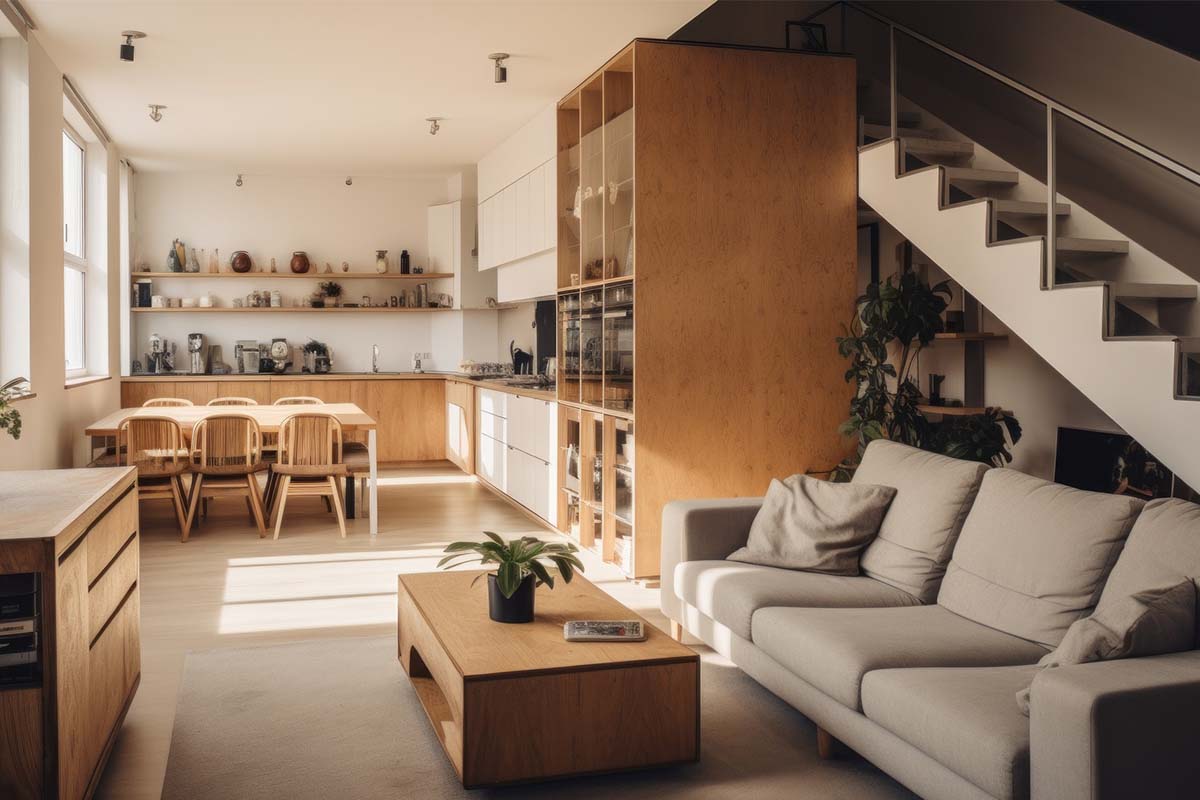
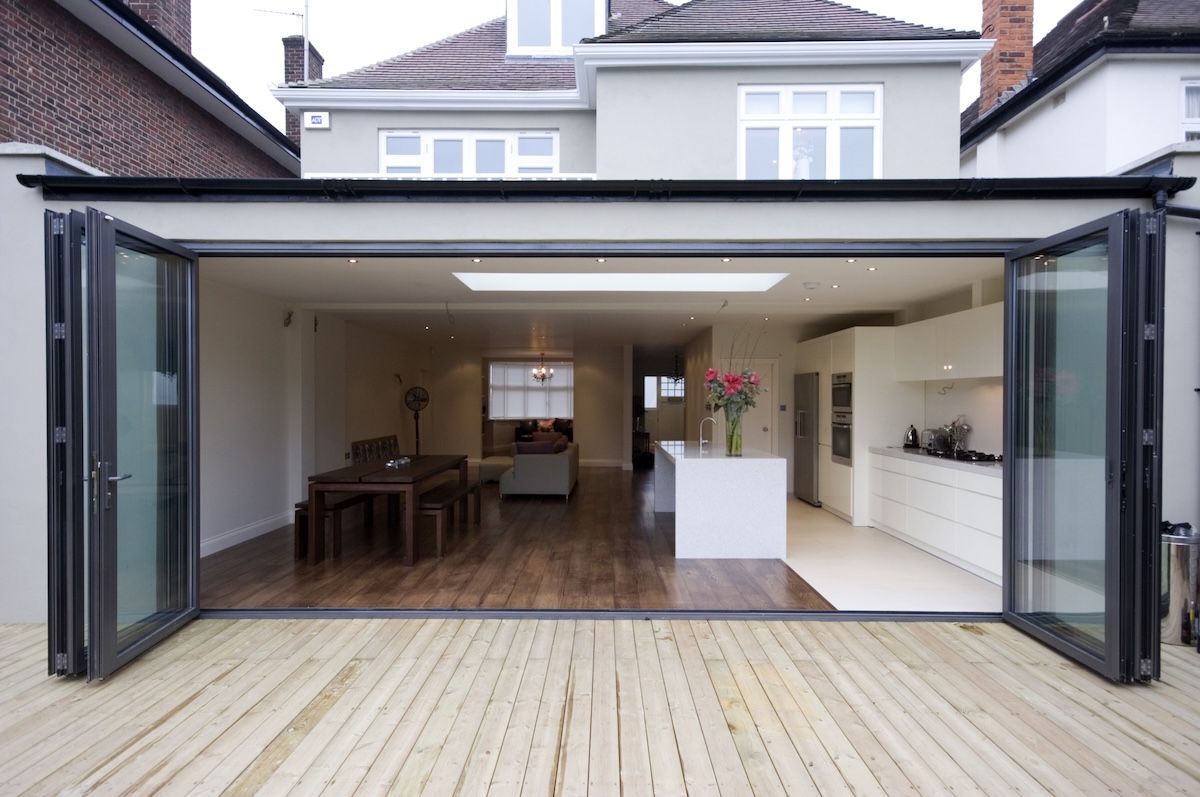
Open plan living has been one of the most talked-about trends in UK interior design for the past two decades, and it shows no signs of fading. The appeal is easy to understand: fewer walls, more light, a seamless flow between...
If you are looking for more space at home, you are far from alone. Whether your family is growing, you work from home and need a proper office, or you simply want a room that actually works for the way you live, adding usable space to your property is one of the most rewarding home improvement projects you can take on. The big question is: which route is right for you? In this guide, we will walk you through everything you need to know about garage conversions, loft conversions, and house extensions, so you can make the right decision for your home, your budget, and your lifestyle.
What Are Your Options When It Comes to Adding Space at Home?
Before you commit to any particular route, it helps to understand the landscape. There are three main ways most UK homeowners choose to add new space to their property: converting an existing garage, converting an existing loft space, or building a new extension onto the side or rear of the house. Each comes with its own set of costs, planning rules, and practical considerations. Rather than one being universally better than the others, the right option really depends on your specific circumstances.
Garage Conversions: Turning Unused Space into Something Brilliant
What Is a Garage Conversion?
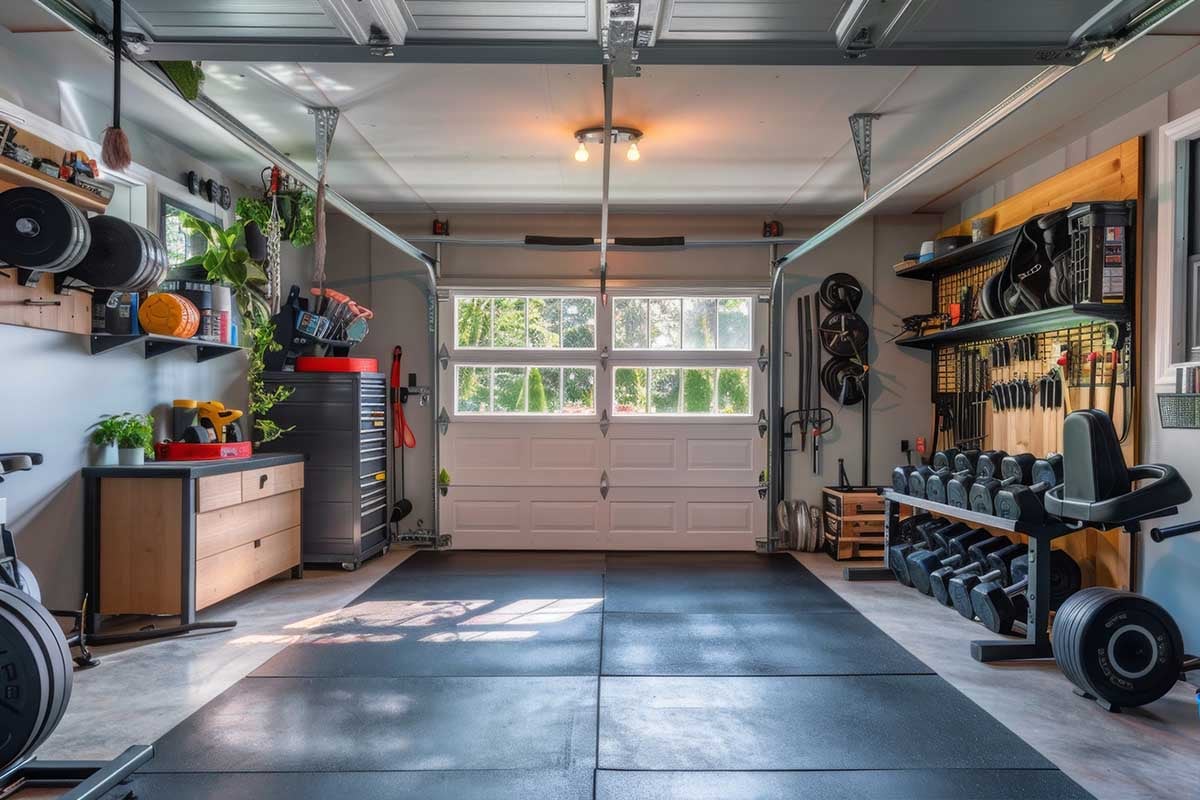
A garage conversion involves transforming your existing garage into a fully habitable room. Most garages spend their lives as storage spaces for bikes, boxes, and garden equipment, so converting your garage into a living area, bedroom, home office, or playroom can make an enormous difference to your day-to-day life. Because the structure already exists, you are not building from scratch, which often makes this one of the most cost-effective routes to gaining extra space in your home.
Do Garage Conversions Need Planning Permission?
In many cases, garage conversions fall under permitted development rights, which means you may not need to apply for full planning permission at all. Permitted development allows certain types of work to be carried out without going through the formal planning application process, provided the work meets specific criteria. That said, there are important exceptions to be aware of. If your home is in a conservation area, if it is a listed building, or if your permitted development rights have been removed by the local planning authority, you will need to seek formal approval. It is always worth checking with your local planning authority before starting work, even if you believe your project qualifies as permitted development.
It is also worth noting that even when planning permission is not required, building regulations approval almost always is. Building regulations cover things like insulation, structural integrity, fire safety, ventilation, and electrical work, and your local building control officer will need to sign off on the completed project. A lawful development certificate can be a useful document to obtain even when not strictly required, as it provides formal confirmation that the work was lawful at the time it was carried out.
What About Party Wall Agreements?
If you live in a semi-detached house or a terraced house, and your garage shares a wall with a neighbouring property, you may need to serve notice under the Party Wall Act. A party wall agreement is a legal document that protects both you and your neighbour during the construction process. It is not something to overlook, as failing to comply with the party wall act can cause significant delays and complications down the line. Your builder or a party wall surveyor can help you navigate this process.
How Much Do Garage Conversions Cost?
Garage conversions are typically the most affordable of the three options. Because the existing structure is already in place, you are mainly paying for insulation, plastering, flooring, windows, and any electrical or plumbing work needed for your new room. Costs vary depending on the size of the garage, what the room will be used for, and your location within the UK, but as a general guide, most homeowners find this to be a very sensible and cost-effective way to add a new room without the expense of a full build. Always ask your builder for a detailed breakdown and make sure you have a proper payment plan agreed in writing before work begins.
Loft Conversions: Making the Most of the Space Above You
What Is a Loft Conversion?
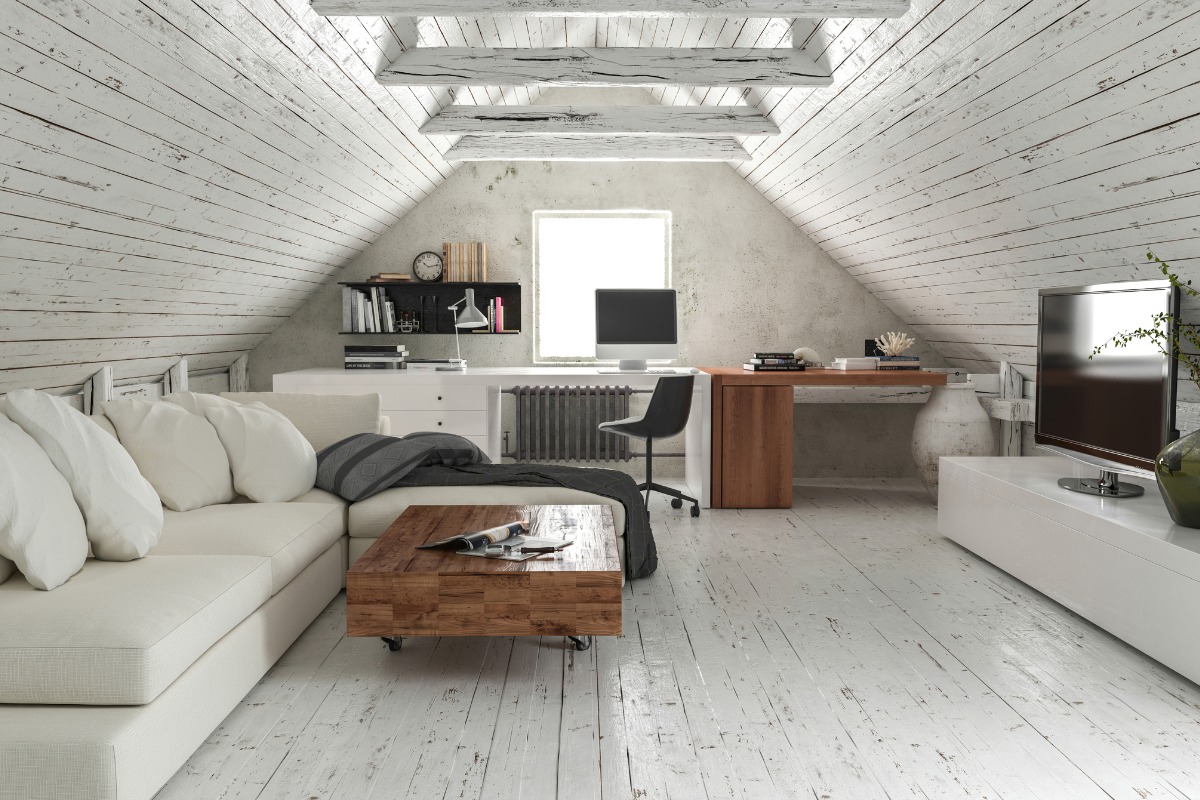
A loft conversion transforms the unused space beneath your roof into a proper, habitable room. It is one of the most popular home improvement projects in the UK, and for good reason. A well-designed new loft conversion can add a significant amount of usable space to your home, often including an extra bedroom, an en suite bathroom, or a home office, without eating into your garden or ground floor layout. If your loft space has sufficient headroom and an appropriate roof structure, a loft conversion could be exactly what you are looking for.
Does My Home Have the Right Loft Space?
Not every home is suitable for a loft conversion, and the first thing to establish is whether your existing roof structure can accommodate one. The roof pitch is an important factor here: if the pitch is too shallow, there may simply not be enough headroom to create a comfortable loft room. Older properties with traditional cut roofs tend to be more straightforward to convert than those with modern trussed roofs, where the roof structure may need to be modified significantly. A structural engineer can assess your roof and advise on what is feasible, including whether your floor joists are strong enough to support the new floor level of the converted space.
Does a Loft Conversion Need Planning Permission?
Many loft conversions can be carried out under permitted development rights without requiring planning permission, as long as they meet certain conditions. For instance, the loft extension must not add more than 40 cubic metres of additional roof space for a terraced house, or 50 cubic metres for a detached house or semi-detached house. The new loft conversion must not extend beyond the existing roof slope at the front of the property, and it must not include any balconies or raised platforms. If you live in a listed building or a conservation area, you will need listed building consent and may also need planning permission, so always check with your local planning authority first. In some cases, prior approval may be needed even where full planning permission is not required.
What Are the Building Regulations for Loft Conversions?
Building regulations will apply to any loft conversion, regardless of whether planning permission is required. Your local building control team will want to see that the conversion meets standards for structural safety, fire safety, insulation, ventilation, staircase dimensions, and natural light. A good architect or experienced builder will be familiar with all of these requirements and can produce the technical drawings needed for your building control application. A building control officer will inspect the work at various stages to ensure everything is being done correctly.
How Much Does a Loft Conversion Cost?
Loft conversion cost varies quite considerably depending on the type of conversion you choose, the size of your loft space, and whereabouts in the UK you are based. A basic roof light conversion, which involves no structural changes to the existing roof, tends to be the most affordable option. A dormer loft conversion, which involves extending the roof outward to create more headroom and floor space, sits in the middle of the price range. More complex options such as a hip-to-gable or mansard conversion cost more, but they also deliver the most usable space. A new loft conversion is a significant investment, but for many homeowners it adds considerable value to the property as well as genuinely improving daily life.
House Extensions: Building Out for Maximum Flexibility
What Is a House Extension?
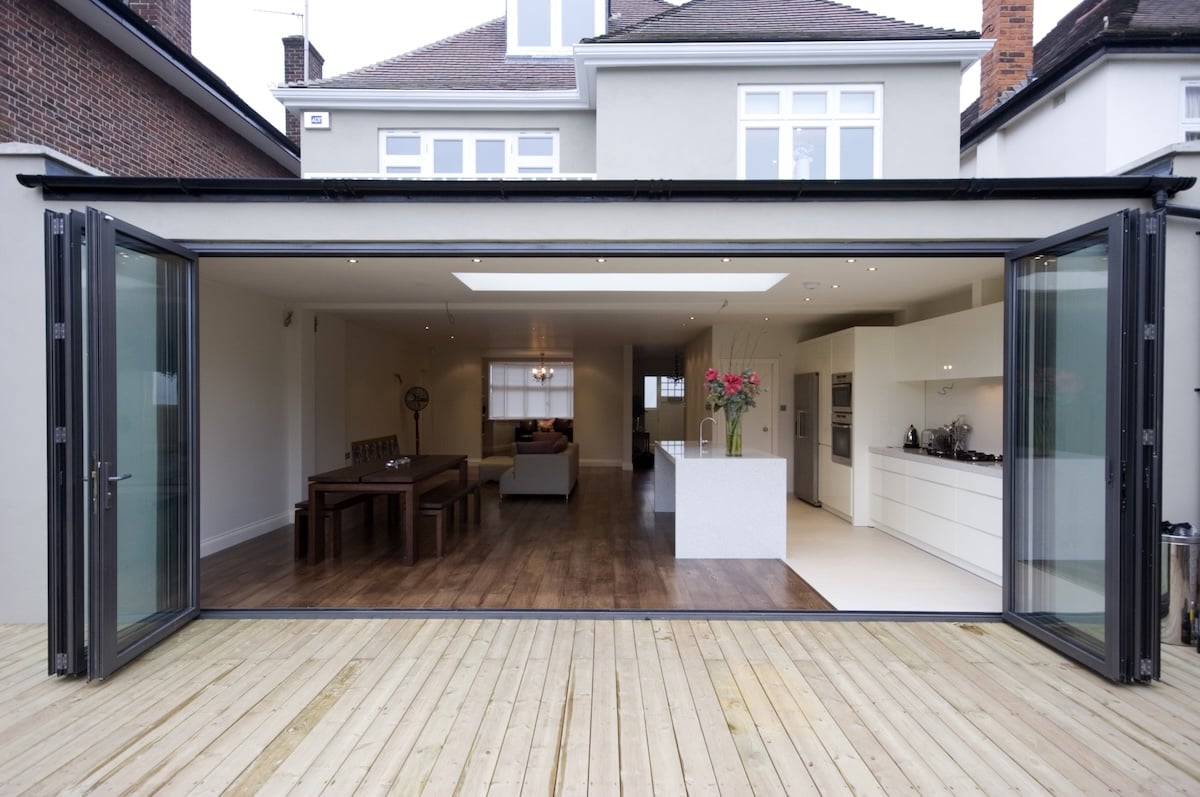
House extensions involve building a new structure onto your existing home, typically to the rear or side of the property. Unlike garage conversions and loft conversions, which make use of existing structures, a house extension is a genuine ground-up build. This gives you enormous flexibility in terms of what you create: whether that is a large open-plan kitchen extension, a dining room, a home office, a garden room, or something else entirely. Home extensions are particularly popular among families who want to significantly expand their existing living space and create a bespoke room tailored entirely to their needs.
Do House Extensions Need Planning Permission?
Whether your extension needs planning permission depends on a number of factors, including its size, position, height, and the nature of your property. Under permitted development, many single-storey rear extensions can be built without needing to apply for planning permission, provided they fall within certain size limits. Ground floor extensions at the rear of a detached house can extend up to eight metres under the neighbour consultation scheme, while for a semi-detached house or terraced house, the limit is six metres. Extensions that involve a first floor, that extend to the side of the property, or that are particularly large will typically require a planning application to your local planning authority. If your home is a listed building, you will need listed building consent for any extension, however modest.
What Are the Rules Around Party Walls for Extensions?
If your extension is close to the boundary with a neighbouring property, the Party Wall Act is likely to apply. You will need to serve notice on any adjoining properties affected by your works, and if they do not consent, a party wall agreement will need to be drawn up. This process can take time, so it is important to factor it into your project timeline. Your builder or architect should be able to advise you on whether your extension project triggers party wall obligations.
How Much Do House Extensions Cost?
Extension costs tend to be higher than either garage conversions or loft conversions, because you are constructing an entirely new structure from the foundations up. House extension costs vary depending on size, specification, and location, with London and the South East typically commanding higher prices than other parts of the UK. A straightforward single-storey rear extension will cost less than a two-storey extension or a complex kitchen extension with high-end finishes. It is always sensible to get several quotes from different builders, check references carefully, and make sure you have a detailed contract in place. Being clear on the costs involved from the outset will save you a great deal of stress later in the project.
Key Factors to Consider Before You Choose
Think About Your Home and Its Structure
The layout and structure of your existing home will have a big bearing on which option makes the most sense. If you have a single garage that is rarely used, converting it into a habitable room is often the simplest and most affordable path. If you have a suitable existing roof with good headroom, a loft conversion could be ideal. And if neither of those options gives you enough usable space for what you have in mind, a new extension might be the right answer. A structural engineer or experienced architect can assess your property and give you honest advice about what is achievable.
Consider Planning Constraints Carefully
Planning rules in the UK can be complex, and they vary between local authorities. If your property is in a conservation area or is a listed building, your options may be more limited, and the need for planning permission or listed building consent will add time and cost to your project. Even where permitted development rights apply, it is worth checking whether these have been removed or restricted for your property, as sometimes local planning authorities apply additional conditions when granting planning permission for new developments.
Think About Your Budget Realistically
Each of the three options carries different extension prices and costs, and it is important to be realistic about what you can afford. A garage conversion is generally the most cost-effective route, while a loft conversion or house extension will involve greater investment. That said, all three can add real value to your home. Getting detailed quotes, setting aside a contingency fund for unexpected costs, and making sure you understand the full costs involved before you start will help the project run smoothly.
Finding the Right Builder for Your Project
Whatever type of project you choose, finding a good builder is one of the most important steps you can take. An experienced builder with a strong track record in the type of work you are undertaking will make an enormous difference to the quality of the result and the smoothness of the process. Ask for references, look at examples of previous work, check that they are properly insured, and make sure your insurance company is aware of the works being carried out. Good project management throughout the build will help keep things on track and on budget.
How to Get Started
Once you have a clearer idea of which option is right for you, the next steps are to engage a professional, whether that is an architect, a structural engineer, or a specialist contractor, to carry out a survey of your property and produce a proper floor plan and technical drawings. From there, you can establish what building control and planning permission requirements apply, get quotes from builders, and put together a realistic project timeline. The key is not to rush the planning stage: the more thorough your preparation, the smoother the build tends to be.
Whether you are considering a UK garage conversion, a loft extension, or a brand-new house addition, the most important thing is to get expert advice tailored to your specific property. Every home is different, and what works brilliantly for your neighbour may not be the right solution for you. Take your time, do your research, and you will be well on the way to creating the extra space your home and your family deserves.
The Conversion Guy - A Trusted Home Renovations Specialist in Derbyshire & Staffordshire
Are you ready to take the plunge and transform your home? Well, look no further! The Conversion Guy is committed to providing you with a home renovation experience that is unparalleled.
With over 40 years of experience in home renovations, we are looking forward to helping you turn your home into a functional and beautiful space! We love talking conversions, so be sure to get in touch today or book a free consultation and start your journey towards a more spacious, versatile home.
From the Learning Centre
Explore our resources and learn about pricing, bathroom refits, kitchen kitchen renovations, loft conversions and many other home improvements in our Learning Centre